


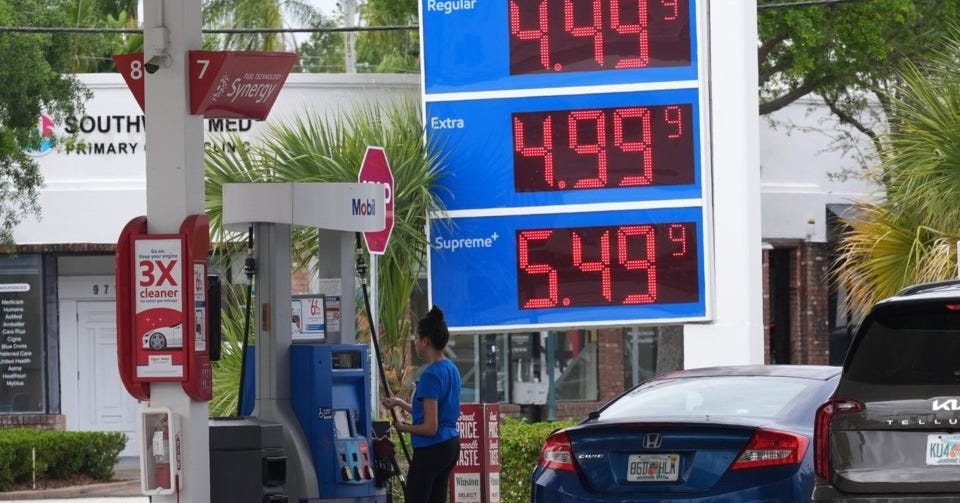
Rising tensions in the Middle East aren’t just a geopolitical issue—they could hit Americans directly through higher gas prices and renewed inflation pressure.
As conflict between Israel and Hezbollah escalates, the risk of disruption to oil supply routes increases. Even without direct damage, markets often react quickly to instability in the region, driving up crude prices. That can translate into higher costs at the pump and across the economy.
Subscribe free for daily political analysis they won’t broadcast. Join 110K+ readers →
At the same time, potential U.S. military involvement or extended presence adds to government spending, with estimates tied to the broader conflict reaching into the tens of billions.
For consumers, the biggest impact is likely to be energy costs. For policymakers, the challenge is balancing foreign policy commitments with domestic economic stability. If tensions continue to rise or expand regionally, the economic effects could intensify quickly.