


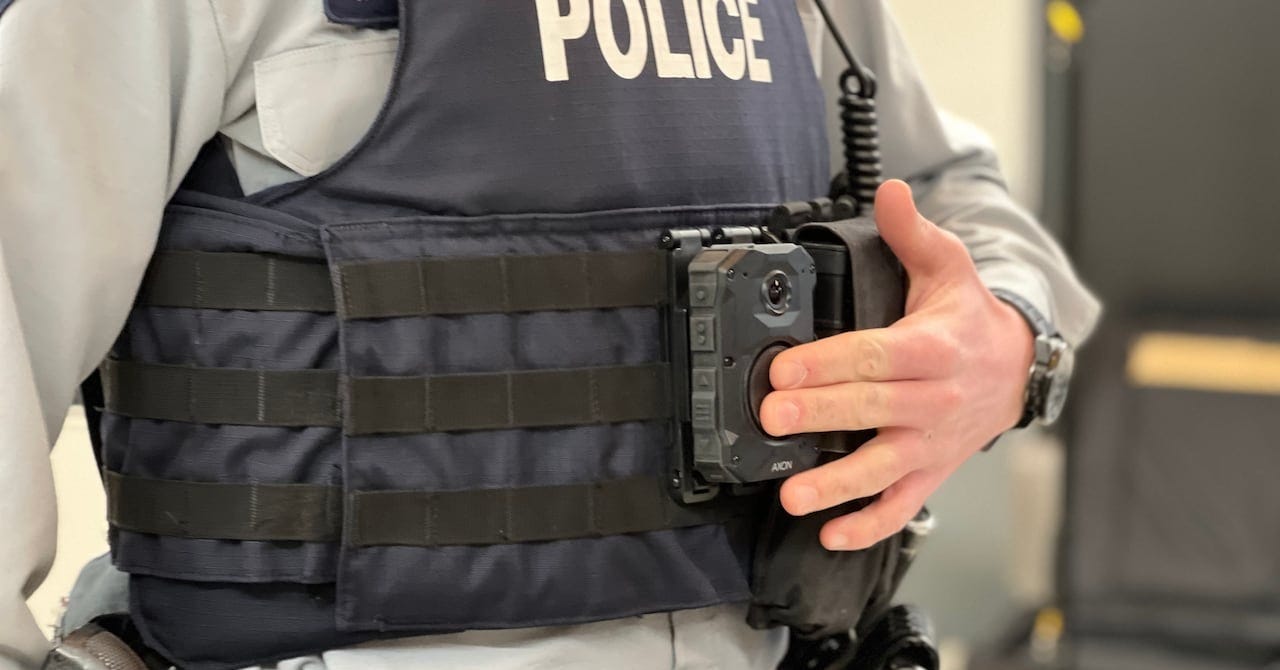
ICE defended its body-worn camera policy Saturday after The Associated Press reported that the agency can release footage from serious incidents only when officials determine it is in ICE’s best interests.
Acting ICE Director David J. Venturella said the policy is meant to protect investigations and privacy and is consistent with the Freedom of Information Act and the Privacy Act. He accused AP of confusing expedited release rules after serious injury or death in custody with ICE’s broader authority to release footage.
AP reported that the policy, adopted in February 2025, calls for prompt release of footage after deaths or serious injuries only if the agency determines release serves its interests. The policy also allows the ICE director or a designee to withhold or indefinitely delay footage under specific and compelling circumstances.
Subscribe free for daily political analysis they won’t broadcast. Join 110K+ readers →
The dispute matters because ICE is expanding body cameras after recent fatal shootings involving officers. AP reported that shootings in Maine and Houston were not recorded with body cameras and that the agency spent $30.9 million in July on camera equipment.
Public reaction online centered less on whether officers should wear cameras and more on who controls access to the video. Reddit discussions in large news, law and privacy communities focused on whether selective release would limit accountability or require lawsuits to obtain footage.
The policy consequence is clear. Body cameras may still preserve evidence for investigations, litigation and congressional oversight, but public transparency after deaths or serious injuries depends heavily on ICE’s own release decision.
Subscribe free for daily political analysis they won’t broadcast. Join 110K+ readers →