


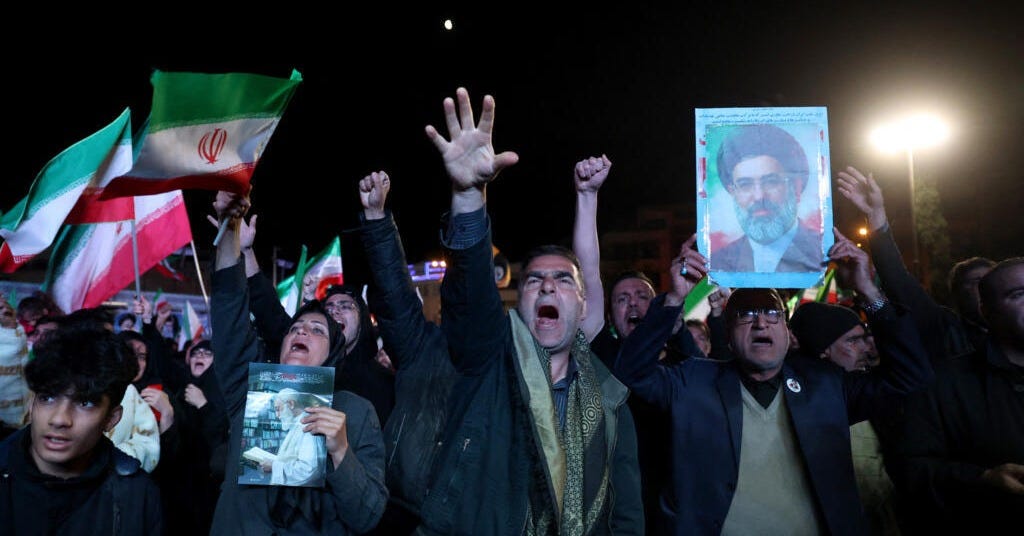
Iran accused the U.S. of violating a fragile ceasefire after new American strikes in southern Iran, while Washington said the military action was defensive and aimed at threats near the Strait of Hormuz.
The disagreement has created a high-stakes test for the ceasefire. Iran says the U.S. broke the truce. U.S. officials say the strikes targeted missile sites and boats allegedly laying mines near one of the world’s most important shipping routes.
That discrepancy is now the center of the story.
If Tehran treats the strikes as a ceasefire violation, it could use that claim to justify retaliation. If Washington treats the strikes as self-defense, it can argue the ceasefire still stands while keeping pressure on Iran.
Subscribe free for daily political analysis they won’t broadcast. Join 110K+ readers →
The dispute is also playing out politically. President Trump used social media to say any Iran deal must be “great and meaningful” or he would walk away. Republican hawks, including Lindsey Graham and Ted Cruz, were reported as criticizing parts of the emerging framework as too favorable to Iran.
That reaction increases the pressure on negotiators. A deal that looks too soft on Iran could face resistance from Trump’s own party. A deal that collapses could put U.S. bases and Gulf shipping routes back in the line of fire.
The Strait of Hormuz remains the practical flashpoint. Any renewed fighting there could affect oil shipments, shipping insurance, fuel prices, and regional security. Oil markets have already shown volatility as investors weigh the chances of a deal against the risk of renewed conflict.
For now, the ceasefire is not dead. But the U.S. and Iran are describing the same military action in sharply different terms, and that may be enough to put the truce at risk.
Subscribe free for daily political analysis they won’t broadcast. Join 110K+ readers →