


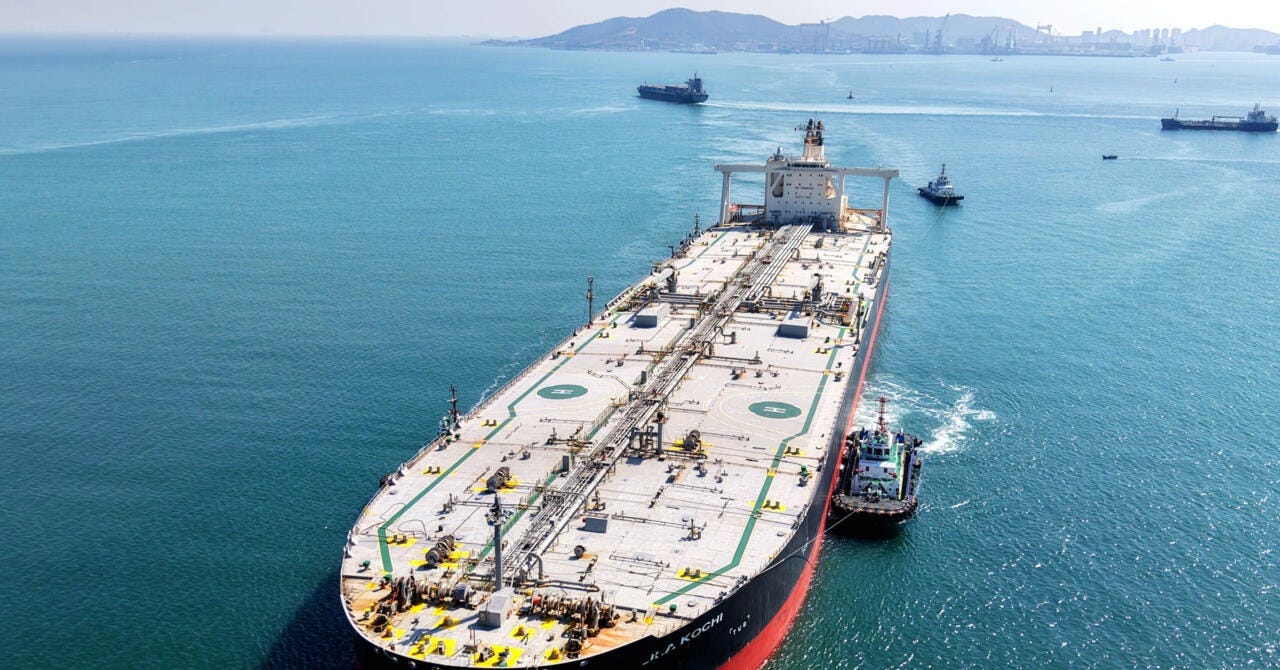
Oil and gas prices dropped sharply after Iran announced the Strait of Hormuz would remain open during a 10-day ceasefire, signaling a temporary shift in one of the world’s most critical energy chokepoints.
The move immediately eased global supply fears, but the relief comes with limits and unanswered questions about whether the corridor will stay open beyond the ceasefire window.
According to Reuters and The Guardian, crude prices fell between 9% and 11% on April 17 after Iranian Foreign Minister Abbas Araghchi said commercial vessels could pass through the strait. The route carries roughly a fifth of the world’s oil supply, and disruptions had stranded hundreds of tankers in recent weeks.
The reopening, however, is conditional. The ceasefire tied to Israel and Lebanon is set for just 10 days, and U.S. forces are still maintaining a naval blockade on Iran, raising questions about how secure or stable the passage really is.
Subscribe free for daily political analysis they won’t broadcast. Join 110K+ readers →
“Markets are reacting to the signal of de-escalation,” analysts told Reuters.
The broader impact extends beyond oil prices. The Strait of Hormuz has been at the center of what analysts describe as the largest supply disruption in modern energy markets, with earlier closures driving prices above $100 per barrel and fueling global inflation concerns.
Now, traders are recalibrating expectations, but uncertainty remains high. Shipping companies must decide whether to resume routes, and unresolved issues—like transit safety and potential fees—could slow a full recovery.
What happens next will depend on whether the ceasefire holds and whether ongoing U.S.-Iran negotiations produce a longer-term agreement.
For now, the global energy market is stabilizing but only temporarily.
Download a FREE Pocket Constitution NOW →
