


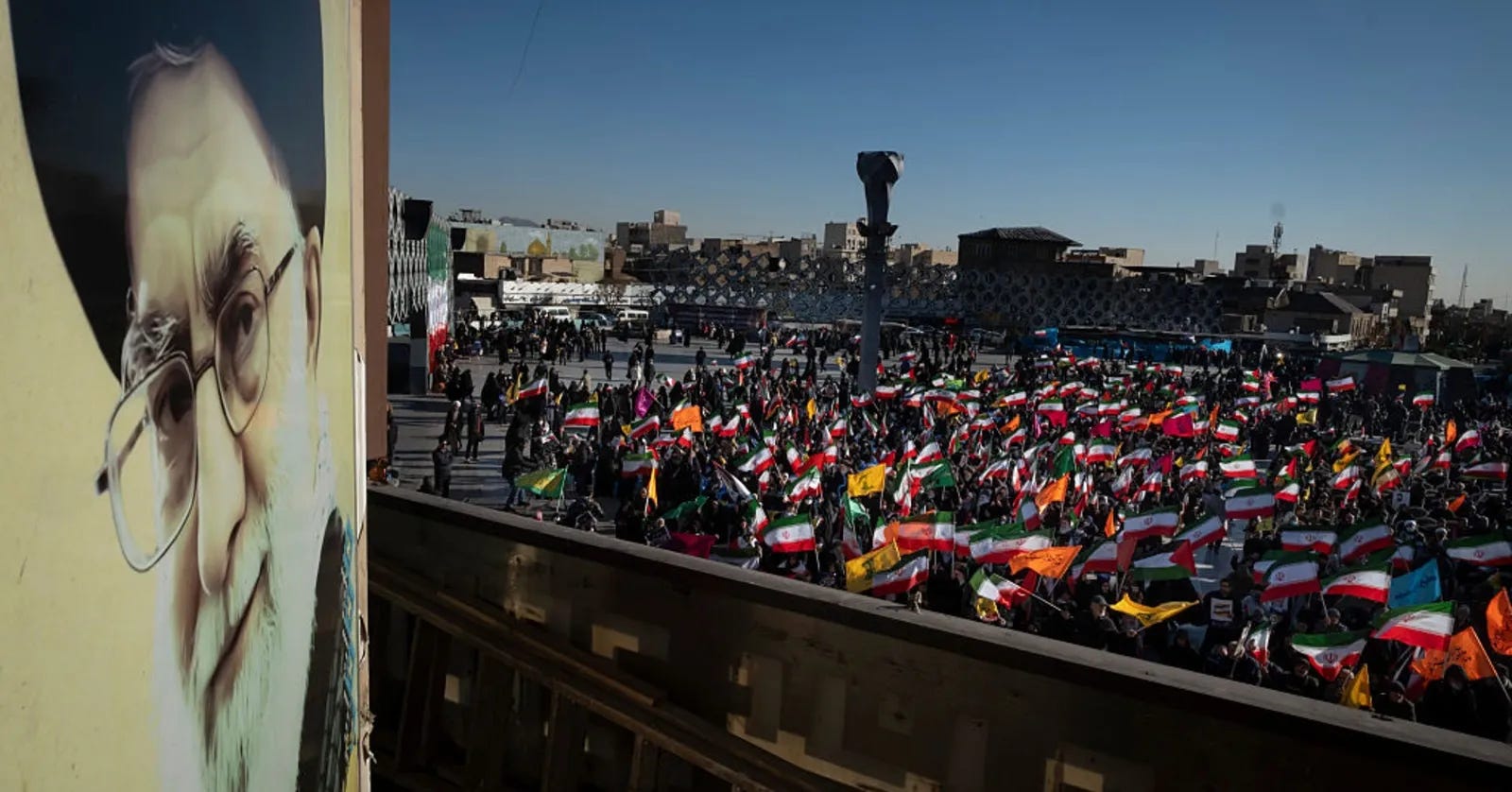
Iran is in the grip of widespread anti-government protests that have spread beyond Tehran into cities across the country as authorities cut off internet and phone communications in an effort to suppress information and limit coordination among demonstrators. According to Reuters and international news agencies, what began in late December over economic distress has morphed into one of the most significant challenges to the Islamic Republic’s leadership in years.
The stakes have risen sharply with the imposition of a near-total communications blackout. Internet monitoring groups like NetBlocks report that connectivity across Iran has plunged, leaving ordinary citizens largely cut off from digital networks. Restricted communications complicate independent verification of events on the ground and hinder protesters’ ability to organize.
Confirmed facts from rights organizations and reporters indicate that dozens of people have been killed and thousands detained in clashes between security forces and demonstrators. Accounts vary on exact numbers, and the lack of open communications has prevented authorities or independent observers from providing definitive figures.
This dramatic escalation introduces a new complication: without reliable channels of communication, both citizens and international media struggle to document unfolding events. As a result, casualty numbers and the scale of unrest remain disputed, raising questions about what is happening in areas beyond major cities.
“Iranian authorities have once again deliberately blocked internet access to hide the true extent of the grave human rights violations they are carrying out,” said Rebecca White, Amnesty International researcher.
Follow The Coffman Chronicle on NewsBreak for daily breaking political coverage.
The broader significance is clear, Iran’s government is using digital blackouts as a tool to control the narrative and stifle dissent, a tactic seen in past uprisings but now coupled with intensifying nationwide demonstrations. The consequences of this strategy are playing out in real time.
International responses are emerging, with European nations urging restraint and condemning violence against civilians, though calls for intervention remain cautious and limited.
As the protests and blackout continue, attention will fall on whether communications remain restricted and how this affects both internal mobilization and global awareness.
What happens next may hinge on whether authorities sustain the communication cutoff or respond to international pressure to restore access and address underlying grievances.
Follow The Coffman Chronicle on NewsBreak for daily breaking political coverage.