


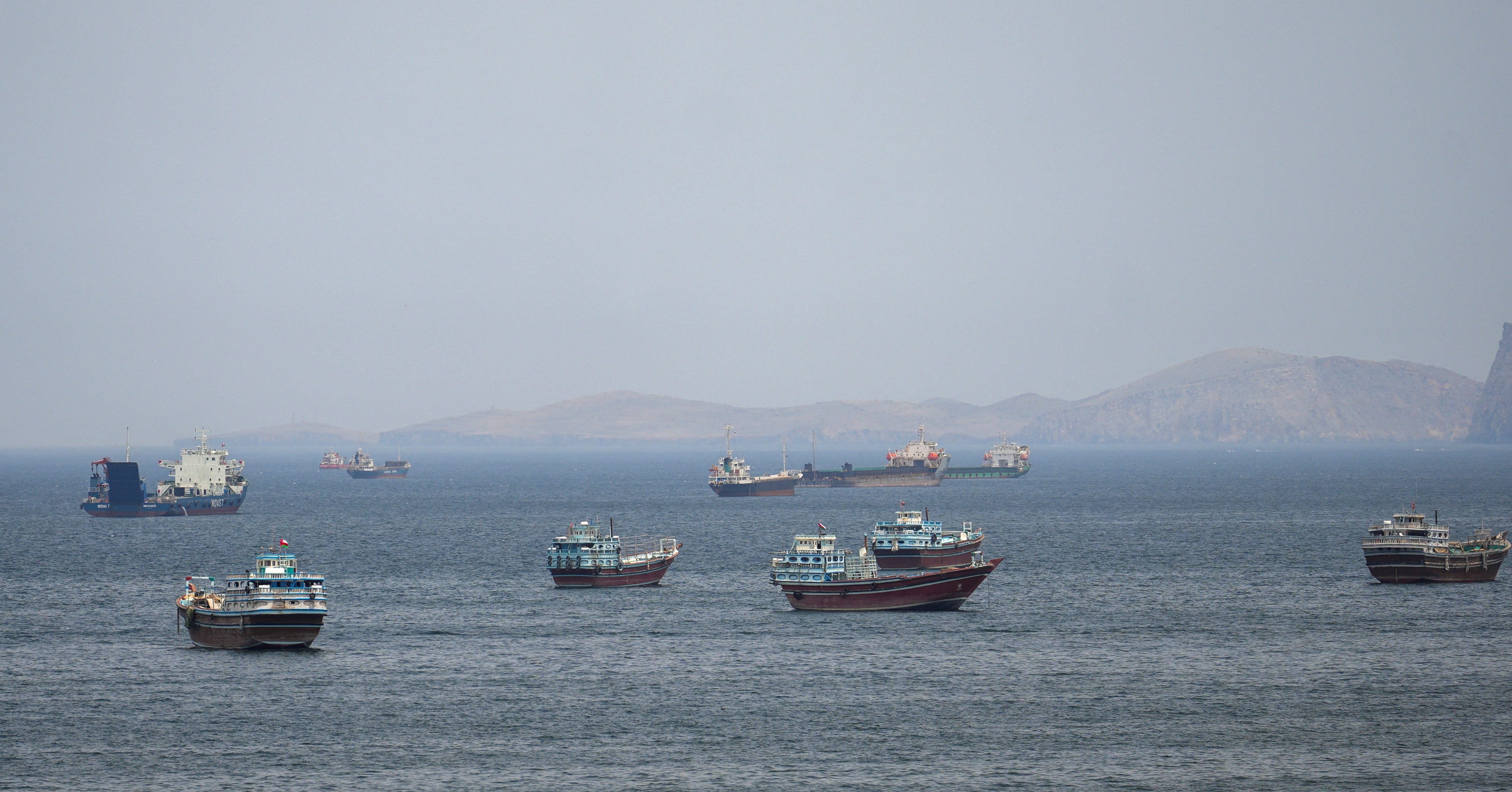
Iran has introduced new wartime transit rules for vessels moving through the Strait of Hormuz, escalating pressure on one of the world’s most important shipping corridors even as diplomatic efforts continue to reduce tensions in the broader Iran conflict.
According to Reuters and Iranian state media, Tehran now requires commercial vessels to coordinate transit with Iranian authorities before passing through the strait. Iranian officials also warned the U.S. Navy against entering the waterway while publishing updated control maps tied to the conflict.
The Strait of Hormuz is a critical global energy chokepoint carrying roughly 20% of the world’s oil shipments along with major liquefied natural gas exports. Since the conflict intensified, shipping traffic has dropped sharply as insurers, tanker operators, and freight companies reassessed security risks in the Gulf region.
The new Iranian rules appear aimed at preserving strategic leverage gained during wartime disruptions while negotiations continue over reopening commercial shipping lanes. Reuters reported that U.S. and Iranian officials are discussing limited agreements focused partly on restoring maritime traffic and reducing direct military confrontation.
Subscribe free for daily political analysis they won’t broadcast. Join 110K+ readers →
Energy markets remain highly sensitive to developments in the strait because even short-term disruptions can affect oil prices, shipping insurance costs, inflation pressure, and global supply chains. Shipping firms have continued rerouting vessels or delaying transit despite signs of possible diplomatic progress.
Analysts say the broader conflict has already reshaped Gulf trade logistics, with alternative ports and shipping corridors gaining importance as companies attempt to avoid exposure to escalating military risks.
Subscribe free for daily political analysis they won’t broadcast. Join 110K+ readers →