


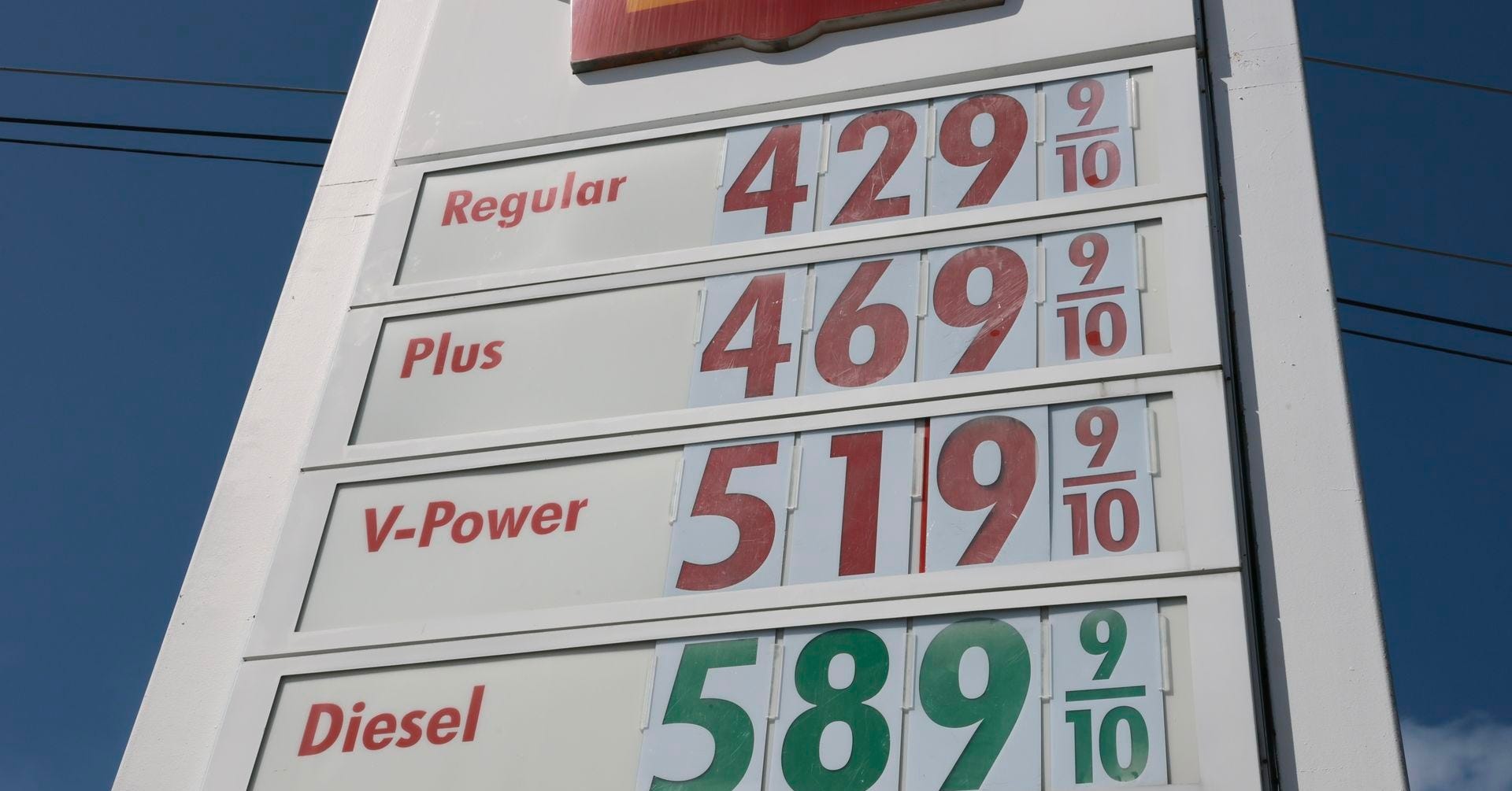
The ongoing Iran war is increasingly being felt not just on the battlefield, but at U.S. gas stations and in household budgets, as rising energy costs begin to ripple through the economy.
Since late February, when the conflict escalated, U.S. gasoline prices have surged more than 40%, climbing to roughly $4.18 to $4.30 per gallon—near a four-year high. The increase is being driven by a sharp rise in global oil prices, which have climbed above $110 and at times exceeded $120 per barrel amid fears of supply disruption.
At the center of the price shock is the Strait of Hormuz, a narrow shipping route responsible for about 20% of global oil transit. Fighting, blockades, and tanker disruptions tied to the war have reduced flows through the region, tightening supply and pushing prices higher worldwide.
That global pricing dynamic explains why U.S. consumers are affected even though the country is one of the world’s largest oil producers. Oil is traded internationally, so supply disruptions abroad raise costs across all markets, including the United States.
Subscribe free for daily political analysis they won’t broadcast. Join 110K+ readers →
The impact is already extending beyond fuel. Higher energy prices are increasing transportation and manufacturing costs, contributing to broader inflation, which has reached about 3.5% year-over-year. Economists warn that sustained high oil prices could push inflation higher still, raising the risk of slower economic growth combined with rising prices—a scenario often described as stagflation.
For now, a fragile ceasefire has prevented even sharper price spikes, but analysts say the outlook remains volatile. If disruptions in the Strait of Hormuz persist or escalate, Americans could see further increases at the pump and across the economy in the months ahead.