


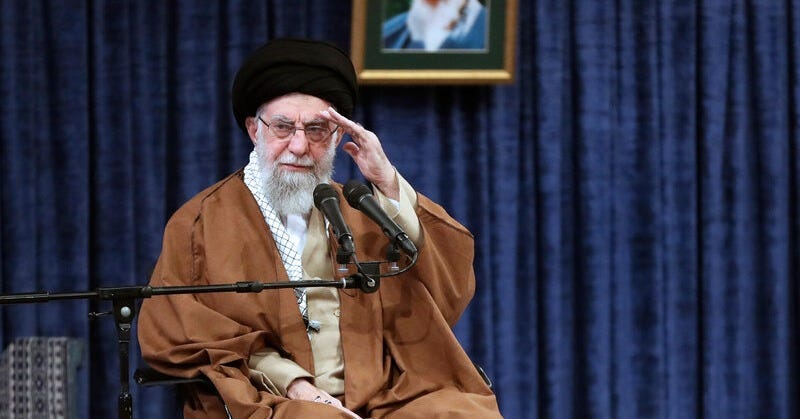
Iran’s Supreme Leader Mojtaba Khamenei says he approved a memorandum of understanding with the United States despite personally holding a different view of the agreement, creating a notable contrast with how President Donald Trump has described the deal.
In public remarks, Khamenei said he authorized the agreement after receiving assurances from Iranian President Masoud Pezeshkian and other officials that Iran’s rights and interests would be protected. He added that future direct negotiations with Washington should not be interpreted as acceptance of U.S. positions.
The comments appear designed to reassure domestic audiences inside Iran that engagement with Washington does not represent a retreat from longstanding Iranian policy.
Trump and some administration allies have emphasized a very different narrative, portraying the agreement as evidence that U.S. pressure achieved meaningful concessions. Some Republican supporters have praised the deal as validation of Trump’s strategy, while others have questioned whether the terms align with previously stated U.S. objectives.
The disconnect may be politically useful for both governments.
Subscribe free for daily political analysis they won’t broadcast. Join 110K+ readers →
Trump benefits from presenting the agreement as a diplomatic victory. Iranian leaders, meanwhile, face pressure to show they have not yielded to American demands after years of confrontation.
The practical question is whether the two governments ultimately share the same understanding of the agreement’s obligations. If disputes emerge over sanctions, nuclear restrictions, regional security commitments, or implementation deadlines, today’s messaging differences could become tomorrow’s negotiating battles.
For now, both sides support the deal. They simply appear to be telling very different stories about what it means.
Subscribe free for daily political analysis they won’t broadcast. Join 110K+ readers →