


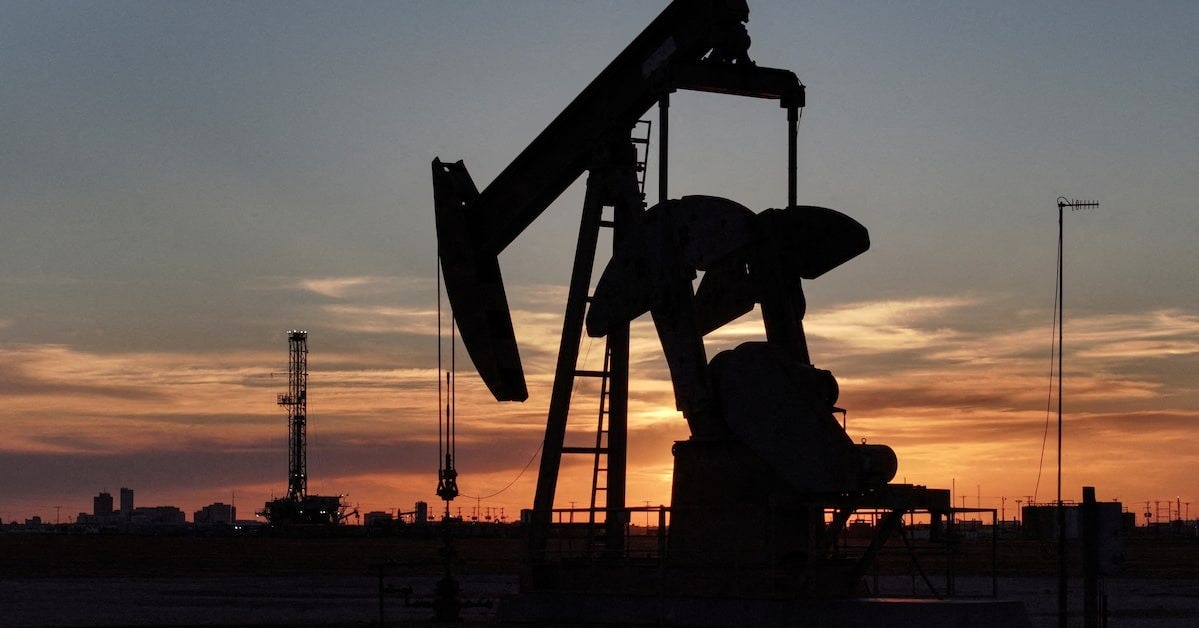
Escalating tensions in the Middle East are beginning to carry clear economic risks for the United States, particularly in the form of energy prices, inflation pressure, and government spending.
As fighting between Israel and Hezbollah intensifies, markets are closely watching the possibility of broader regional disruption. The Middle East remains central to global oil supply, and even the threat of instability can push prices higher. Historically, conflict in the region has triggered spikes in crude oil, which quickly translate into higher gasoline prices for American consumers.
The economic impact does not require direct damage to infrastructure. Market sensitivity alone can drive volatility, especially if investors anticipate prolonged instability or the potential involvement of Iran, a key regional player. Any disruption to shipping routes or production could amplify these effects.
Subscribe free for daily political analysis they won’t broadcast. Join 110K+ readers →
At the same time, U.S. military positioning in the region carries financial implications. Maintaining or expanding deployments increases defense spending, adding pressure to federal budgets already under strain. Estimates tied to the broader conflict environment have reached into the tens of billions, though exact costs depend on the scale and duration of involvement.
The combination of rising energy costs and increased government spending presents a dual challenge. Higher fuel prices can contribute to inflation, affecting everything from transportation to food costs, while increased federal spending may complicate efforts to manage deficits.
For global markets, the situation introduces additional uncertainty. Allies and adversaries alike are adjusting to shifting conditions, and prolonged instability could slow economic activity beyond the region.
If tensions escalate further, the economic consequences are likely to become more immediate and more visible to U.S. consumers.