


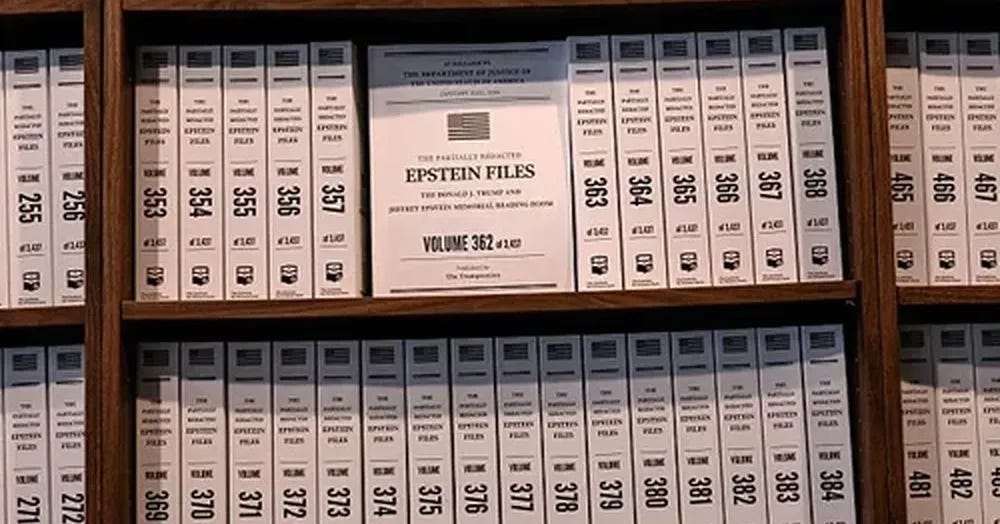
A federal judge has ordered the Justice Department to privately submit unredacted Epstein-related documents as court scrutiny grows over how the Trump administration has handled the release of the files.
U.S. District Judge Emmet Sullivan directed Acting Attorney General Todd Blanche to provide the materials by July 30 at 3 p.m. The order requires unredacted copies of eight emails, another document with redacted sender and recipient lines, and a separate document where DOJ says the concealed names are victims. Sullivan also ordered DOJ to provide documentation supporting those redaction claims.
The order does not mean the records will immediately become public. It means Sullivan will review them privately through an in-camera process before deciding whether DOJ’s secrecy arguments are legally supported.
That distinction matters. The court is now testing whether the Justice Department’s redactions match the law and the department’s stated reasons for withholding names.
Subscribe free for daily political analysis they won’t broadcast. Join 110K+ readers →
The dispute stems from a lawsuit brought by journalist and legal analyst Katie Phang over DOJ’s handling of Epstein Files Transparency Act materials. CBS News reported that Sullivan previously ordered DOJ to release additional unredacted records or explain why they could not be released, including emails, a draft indictment, and underlying FBI interview notes tied to unverified allegations against President Donald Trump. Trump has denied the allegations.
DOJ has defended its redactions as necessary to protect victims, personal information, and sensitive material. Its public Epstein Library states that victim names and identifying information have been redacted and warns that the archive contains sexual assault material.
The order has already drawn visible online reaction, especially in legal and political forums, where users focused on whether DOJ will comply and whether categories such as victims or law enforcement are being applied too broadly.
The next step is the July 30 deadline. After Sullivan reviews the records, the court could decide whether DOJ’s redactions stand or whether further disclosure is required.
Subscribe free for daily political analysis they won’t broadcast. Join 110K+ readers →