


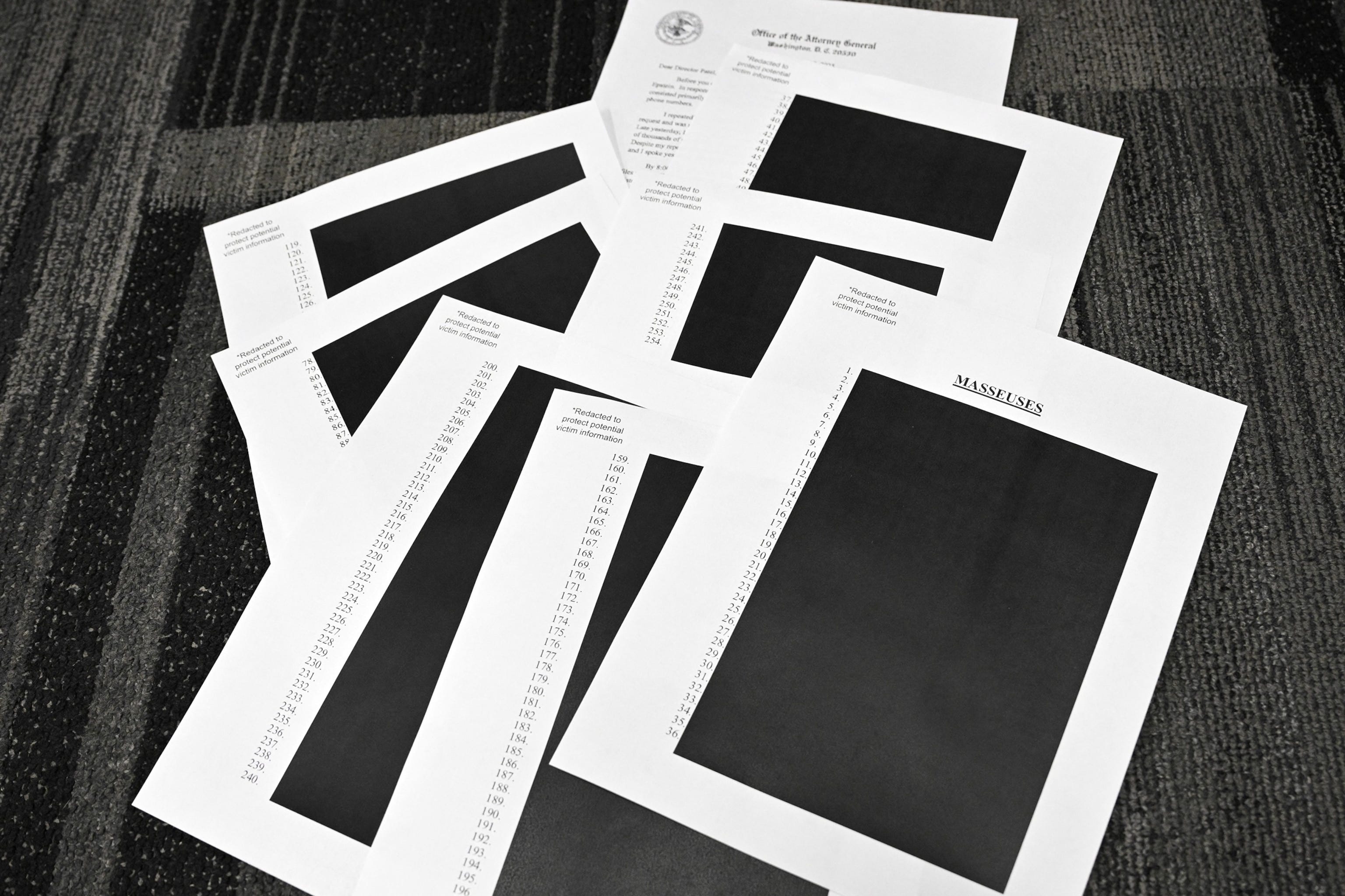
A federal judge has ordered the Justice Department to either release less-redacted versions of several Jeffrey Epstein-related records or explain why the information must remain hidden by July 2.
U.S. District Judge Emmet Sullivan’s order covers specific records sought in litigation over DOJ’s handling of the Epstein files. According to CBS News, the documents include eight email exchanges with redacted sender or recipient names, a draft Epstein indictment with the names of “potential co-conspirators” obscured, and a 2019 email that mentions several co-conspirators whose names were redacted. Sullivan also ordered DOJ to release a redaction log required by law.
The ruling does not mean every blacked-out name will automatically become public. It gives DOJ a deadline: release the information or provide a legal explanation for keeping it concealed.
Subscribe free for daily political analysis they won’t broadcast. Join 110K+ readers →
That distinction matters. The Epstein files contain sensitive material, including victim-identifying information. DOJ’s public Epstein library warns that redactions were applied to protect victim names, private individuals, and sensitive content.
The department has also defended its broader review, saying it published nearly 3.5 million pages tied to the Epstein Files Transparency Act and withheld some material because it was duplicative, privileged, unrelated, or covered by statutory exceptions.
Still, the court order raises the pressure on DOJ because it turns a transparency dispute into a compliance deadline. If the department keeps redactions in place, it may have to explain them with more precision than it has so far.
The next key date is July 2, when DOJ must either produce less-redacted records or justify continued secrecy.
Subscribe free for daily political analysis they won’t broadcast. Join 110K+ readers →