


A sweeping purge of federal oversight officials continues to shape Washington nearly a year after President Donald Trump dismissed 17 inspectors general across major agencies. According to Reuters, the January 24 removals were delivered through short emails citing “changing priorities,” without the 30-day congressional notice or case-specific explanations required under the Inspector General Act. The firings affected watchdogs at the Departments of Defense, State, Veterans Affairs, Health and Human Services, and other key agencies responsible for detecting waste, fraud, and abuse.
Follow The Coffman Chronicle on NewsBreak for daily breaking political coverage.
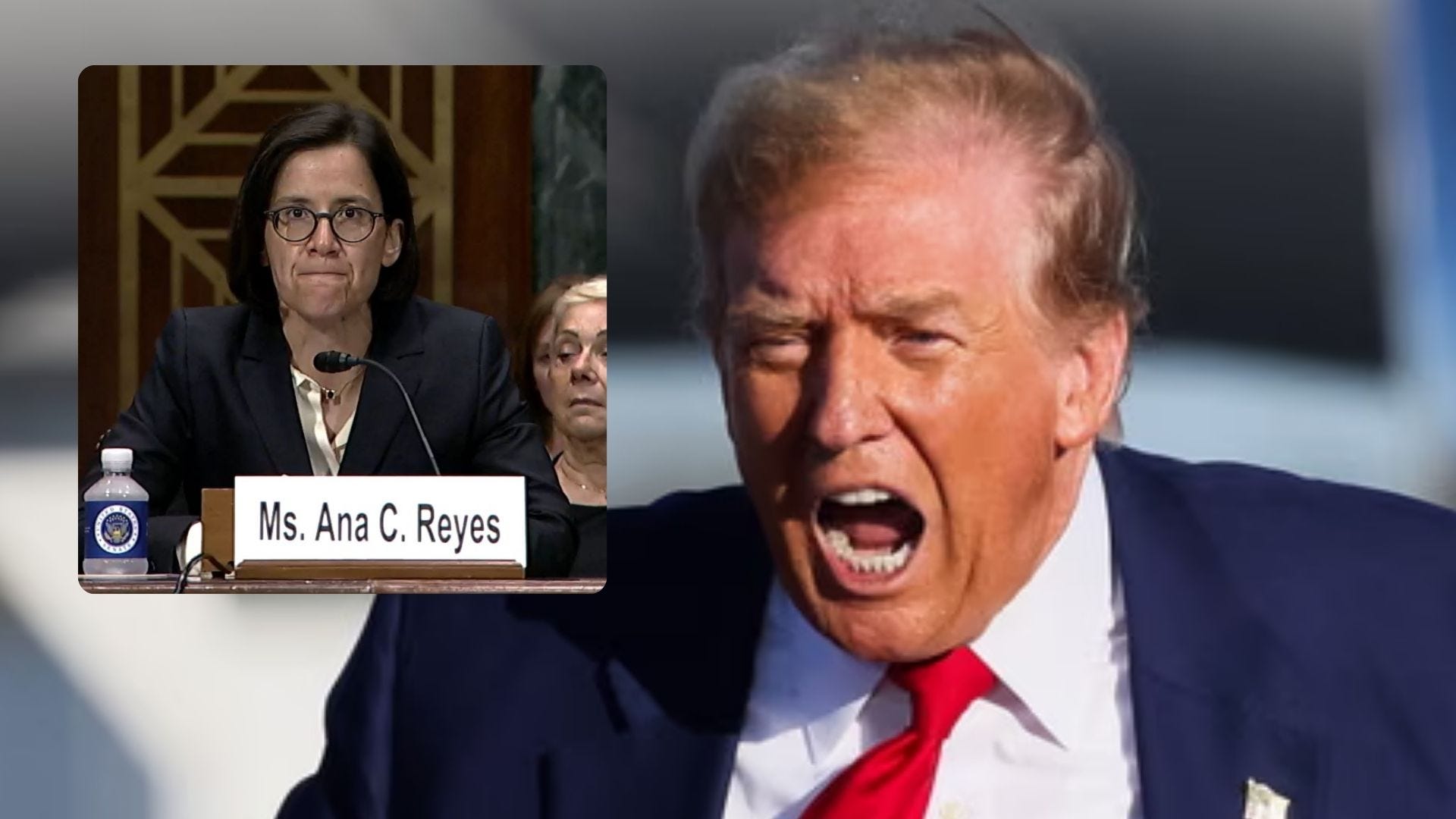
In September, U.S. District Judge Ana C. Reyes ruled that the dismissals violated federal law, calling the legal breach “obvious” in her opinion. Reuters reports that the judge concluded the White House did not follow statutory requirements implemented in the 2022 Securing Inspector General Independence Act, which strengthened protections for watchdogs. The case was brought by a group of fired IGs who argued that the mass removal disrupted oversight and weakened the government’s ability to conduct independent investigations.
Despite finding the firings unlawful, the judge declined to reinstate the watchdogs. She ruled that the plaintiffs had not demonstrated “irreparable harm,” noting that even if returned to their posts, they could legally be removed again after proper notice and justification. According to Federal News Network, many of the affected IG offices remain under acting leadership, leaving long-term oversight capacity uncertain.
Oversight experts and former officials warn that the sudden loss of so many inspectors general risks undermining transparency and enforcement across the federal government. Analysis from Lawfare notes that the IGs who were dismissed had been overseeing significant audits and investigations that may now be delayed or halted. With vacancies still unfilled, the broader consequences for accountability and regulatory enforcement remain an open question, and the coming months will determine whether the purge results in lasting structural damage to federal oversight.