


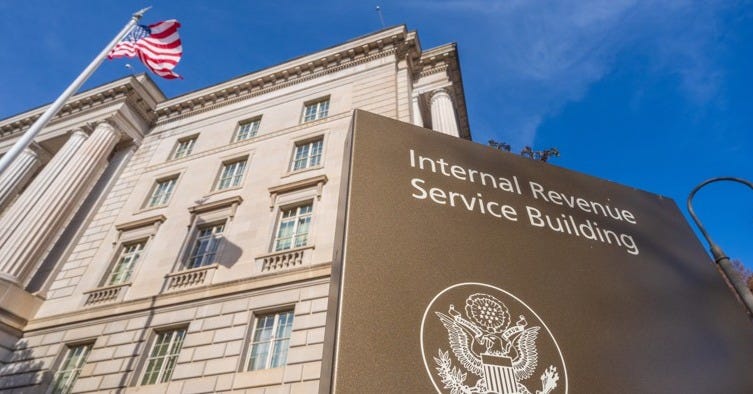
A federal judge in Washington, D.C., ruled the IRS violated federal tax privacy law by disclosing taxpayer address information to Immigration and Customs Enforcement about 42,695 times. The decision matters now because it challenges how far immigration agencies can go when seeking data protected by the tax code.
The flashpoint is a process problem with real consequences: the court says the IRS handed over “last known” addresses even when ICE requests failed to include the address details the statute requires, raising questions about accuracy, overreach, and safeguards.
U.S. District Judge Colleen Kollar-Kotelly tied the finding to Internal Revenue Code rules governing disclosures to law enforcement, pointing to a supplemental declaration from IRS Chief Risk and Control Officer Dottie A. Romo. That filing describes ICE sending about 1.28 million requests and the IRS disclosing 47,289 addresses, with 42,695 tied to “TIN Matching.”
Related: Federal Judge Warns DOJ Officials May Be Forced to Testify Under Oath After 72 Violations
The court said that TIN Matching did not confirm ICE had provided “the address of the taxpayer” as required, beyond an automated proxy check for zip-code formatting. The ruling also highlights examples in the record where ICE-supplied address fields were incomplete or plainly deficient.
Kollar-Kotelly wrote that the IRS violated the law “approximately 42,695 times” by disclosing last known addresses to ICE.
Why it matters extends beyond immigration enforcement: privacy protections under Section 6103 are designed to preserve trust in tax filing, and the case tests whether agencies can scale disclosures without undermining those guardrails.
The lawsuit, linked to the Center for Taxpayer Rights’ challenge to bulk sharing, continues amid appeal-related activity and court-imposed limits on future disclosures. Agencies have also described remediation steps and restrictions while litigation proceeds.
Next developments are likely to come through the appeal and any further court orders defining what, if anything, can be shared going forward.
Related: Federal Judge Blocks Trump Third-Country Deportation Policy as Unlawful