


The U.S. Justice Department has sued Arizona and Connecticut for refusing to hand over detailed voter registration information sought by federal authorities, a move that could reshape ongoing national disputes over election data and privacy.
The lawsuits were filed Jan. 6 by the DOJ’s Civil Rights Division, which says the states are violating federal election laws by not providing full voter rolls and related data. The department asserts these records are necessary to ensure accurate voter lists and enforce federal voting statutes.
According to DOJ, the suits bring the total number of states sued for similar reasons to 23 plus the District of Columbia, underscoring a broader effort to compel states to comply with federal requests for voter information. Arizona Secretary of State Adrian Fontes criticized the demands on social media, saying the releases would violate both federal and state law, while Connecticut Attorney General William Tong called the lawsuit “meritless” after his office sought more clarity from the department.
The DOJ complaints say the agency is empowered under the National Voter Registration Act and the Help America Vote Act to inspect statewide voter registration lists and related maintenance programs. The Civil Rights Act of 1960 also gives the attorney general authority to demand production and analysis of voter lists.
Follow The Coffman Chronicle on NewsBreak for daily breaking political coverage.
Critics have raised alarm about swapping sensitive information like names, birth dates, addresses, driver’s license details and partial Social Security numbers with federal authorities, arguing that privacy laws and state statutes protect such data.
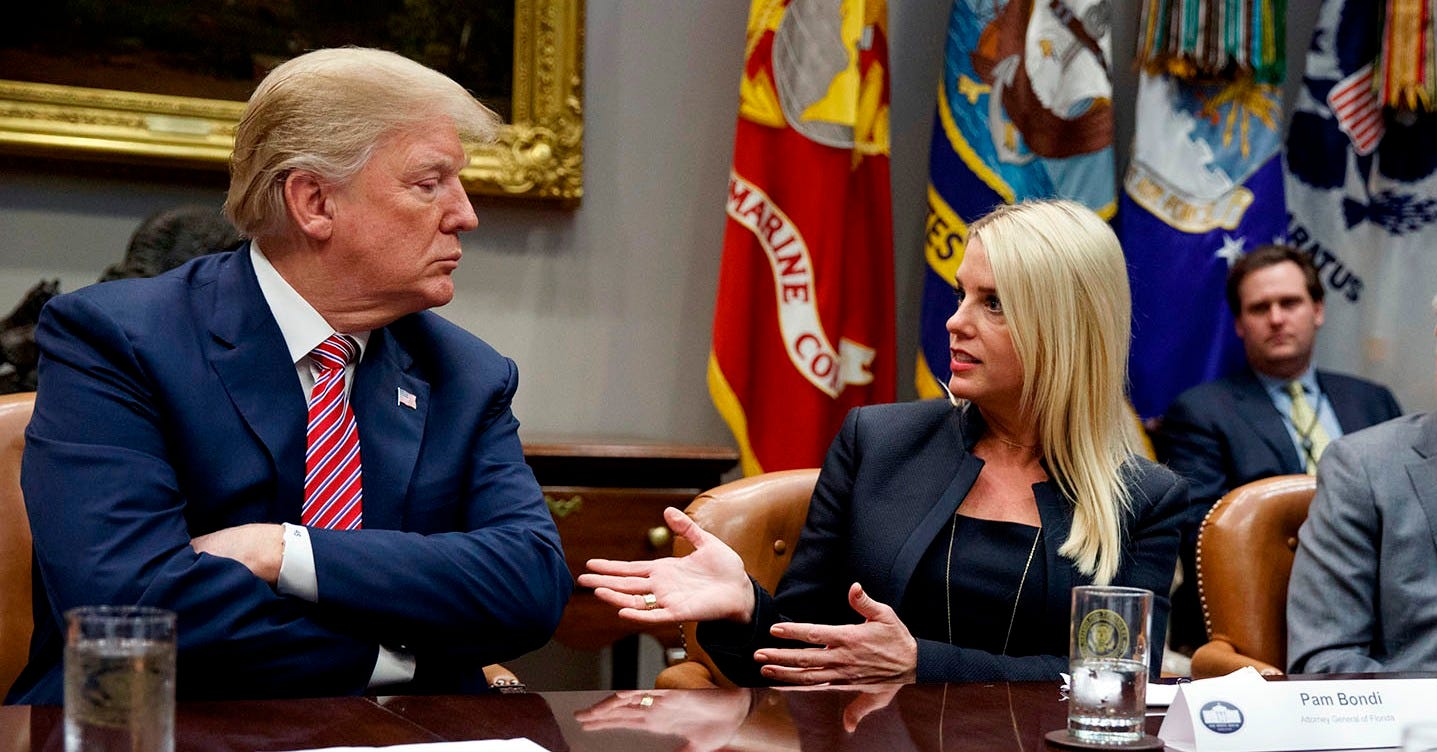
“This Department of Justice has now sued 23 states for failing to provide voter roll data and will continue filing lawsuits to protect American elections,” Attorney General Pam Bondi said in a DOJ statement.
The legal battle places state election officials and the federal government on collision courses over how far DOJ can go to enforce election laws without compromising privacy protections and state autonomy.
Judges in the lawsuits will next hear arguments on whether the federal government’s interpretation of its authority outweighs objections from state officials. The outcomes may signal how far DOJ can compel voter data disclosure going forward.
Follow The Coffman Chronicle on NewsBreak for daily breaking political coverage.