


U.S. lawmakers are demanding answers over whether using a VPN could expose Americans to NSA surveillance without a warrant. The concern centers on whether routing internet traffic overseas changes how the government classifies users.
The issue has created tension inside Washington, where the same agencies that promote VPNs for privacy are now tied to potential surveillance risks tied to those tools.
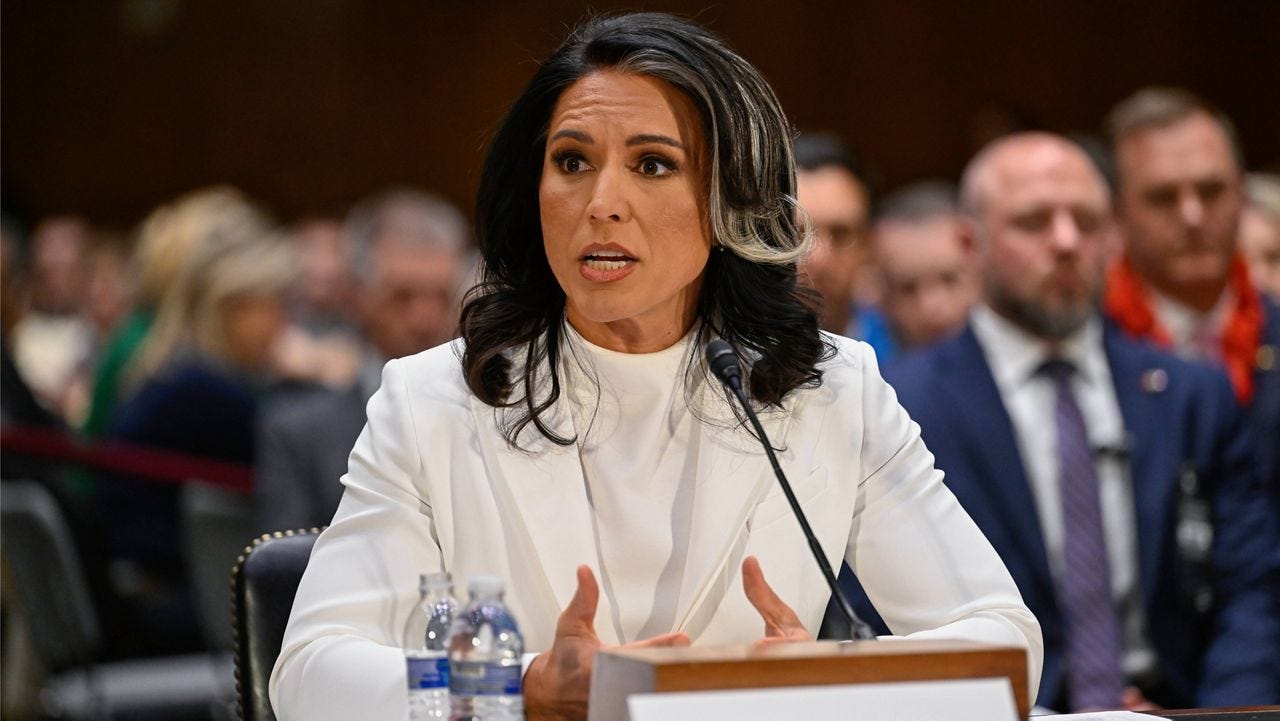
According to Wired, six Democratic lawmakers sent a letter to Director of National Intelligence Tulsi Gabbard asking whether Americans using foreign VPN servers could be treated as “foreign persons” under U.S. intelligence law.
That classification matters because Section 702 of the Foreign Intelligence Surveillance Act allows the government to collect communications targeting foreigners, even if Americans’ data is incidentally captured without a warrant.
“Americans may be inadvertently waiving the privacy protections they’re entitled to,” the lawmakers wrote in the letter.
Subscribe free for daily political analysis they won’t broadcast. Join 115K+ readers →
The complication is rooted in intelligence guidelines that presume internet traffic of unknown origin is foreign, a condition that can apply when VPNs mask a user’s real location through overseas servers.
That creates a widening gap between consumer behavior and legal protections, especially as millions of Americans use VPNs for streaming, security, or anonymity.
The debate is unfolding as Congress faces a looming decision on renewing Section 702, a surveillance authority already under scrutiny for sweeping in Americans’ communications.
Lawmakers are now pushing for formal clarification and potential safeguards before that deadline.
For now, the question remains unresolved.
Subscribe free for daily political analysis they won’t broadcast. Join 115K+ readers →