


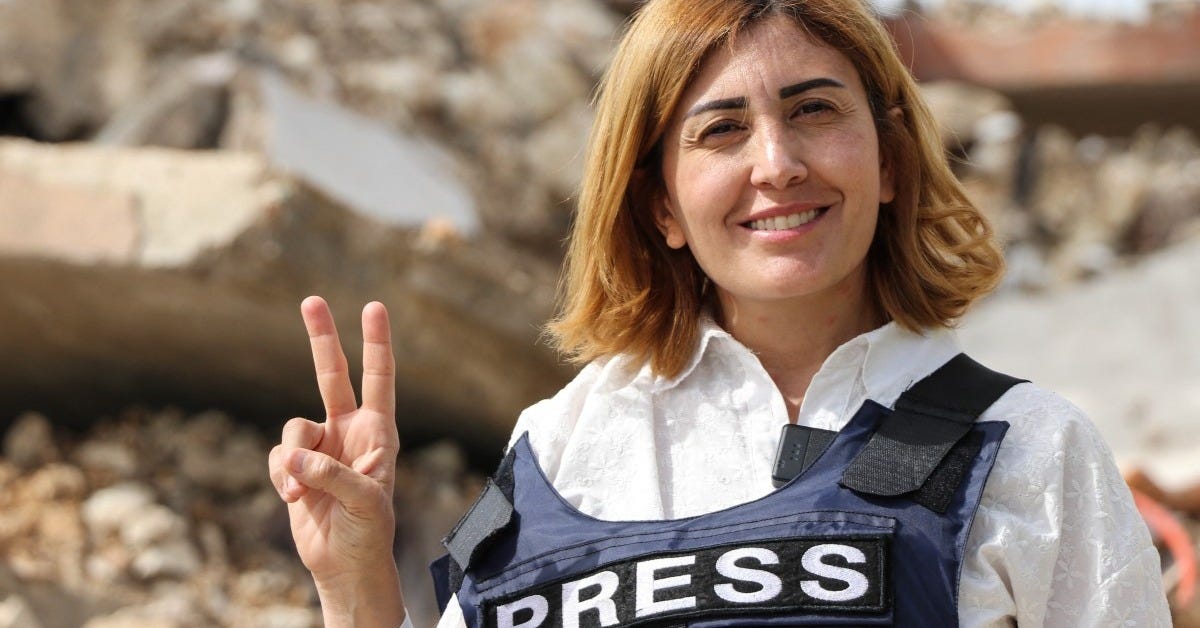
A Lebanese journalist was killed and another reporter was wounded in southern Lebanon just as the United States prepared to host another round of ceasefire talks between Lebanon and Israel. The incident now matters beyond one strike because it lands in the middle of a truce that was supposed to be lowering the temperature.
According to Reuters, AP, and Al Jazeera, Amal Khalil and photographer Zeinab Faraj were covering developments near al-Tayri when an Israeli strike hit a nearby vehicle. They took shelter inside a house, and that house was then hit, killing Khalil and seriously injuring Faraj.
Reuters reported Lebanese officials said rescue workers later tried to return but were blocked, with Lebanon’s health ministry alleging Israeli forces fired a sound grenade and live ammunition at an ambulance. Khalil’s body was recovered only hours later.
Israel’s military gave a sharply different account. Reuters reported the IDF said it had identified vehicles leaving a Hezbollah-linked military structure and entering a restricted buffer zone, said the vehicles approached troops in a threatening way, and denied targeting journalists or obstructing rescue teams.
Subscribe free for daily political analysis they won’t broadcast. Join 110K+ readers →
“The targeting of journalists and the obstruction of relief efforts constitute war crimes,” Lebanese Prime Minister Nawaf Salam said, according to Reuters.
That accusation is now being reinforced by press-freedom groups. CPJ said the journalists were apparently targeted and said the repeated strikes, the shelter hit, and the blocked medical access could amount to a grave breach of international humanitarian law, while also noting prior reports that Khalil had received a threat attributed to the IDF in 2024.
The broader risk is political as much as military. Reuters reported the strike came on Lebanon’s deadliest day since the April 16 ceasefire and just before a second U.S.-hosted meeting aimed at extending that truce, which Beirut wants prolonged while attacks in the south continue.
What happens next is likely to unfold on two tracks: diplomacy in Washington over the ceasefire, and growing pressure from Lebanon and press-rights groups for an international accountability push.
Download a FREE Pocket Constitution NOW →
