


Senate Republicans are moving ahead with a new immigration funding plan tied to President Donald Trump’s agenda, and the immediate dispute is not just border policy. It is whether the GOP is building an enforcement package that could cost far more than advertised.
The tension sharpened after a headline circulating online put the plan at $140 billion, even as Reuters reported a Senate GOP budget blueprint that would unlock about $70 billion in added funding for ICE and Border Patrol through January 2029. That gap has turned the price tag itself into part of the story.
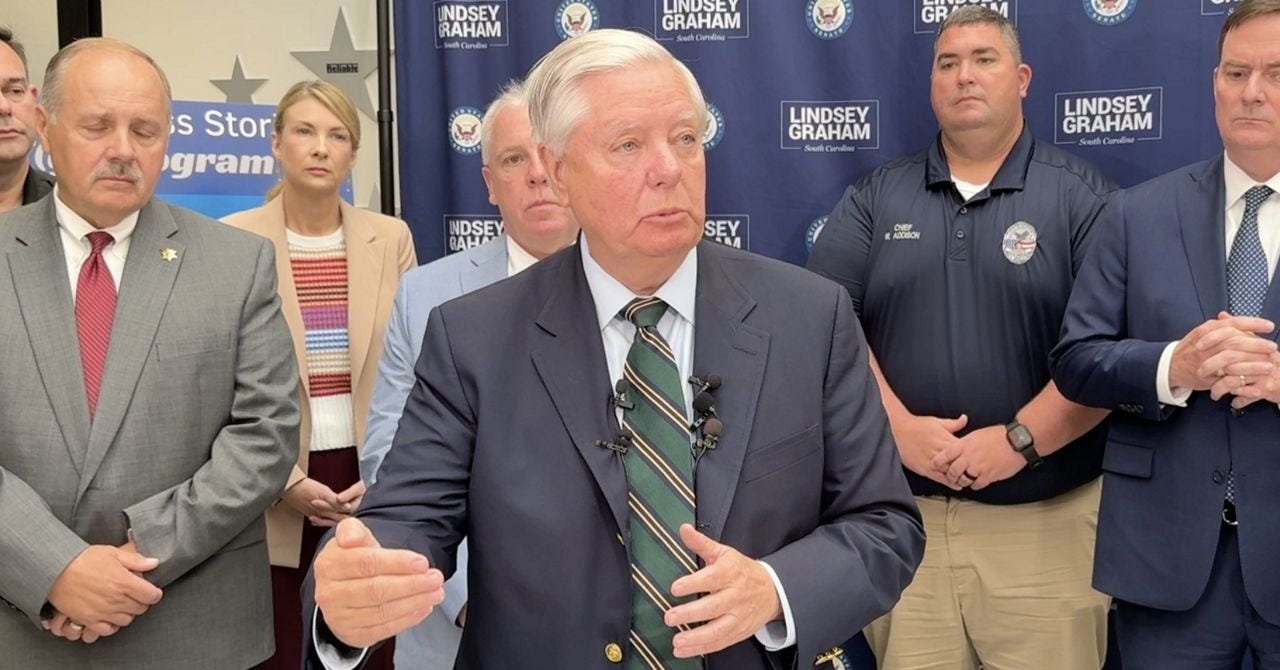
According to the Senate Budget Committee, Chairman Lindsey Graham introduced a FY2026 budget resolution meant to clear the way for a targeted reconciliation bill focused on ICE and CBP. Reuters reported the measure is part of a Republican effort to bypass Democratic opposition and keep immigration enforcement funded during a DHS standoff.
Subscribe free for daily political analysis they won’t broadcast. Join 110K+ readers →
But Democrats on the same committee page said Republicans are setting up a second reconciliation bill that could throw up to $140 billion at those agencies. That leaves an unresolved question: whether Republicans are discussing a narrower immediate spend, a broader ceiling, or a later expansion once committees fill in the numbers.
“This budget resolution will unlock funding for law enforcement border security at DHS for the next three years,” Senate Majority Leader John Thune said, according to Reuters.
Why that matters goes beyond Washington math. Peterson Institute researchers found mass deportation would leave U.S. GDP and employment lower through 2040 and push inflation higher in the early years, while the American Immigration Council estimated a mass-deportation campaign would require major spending on arrests, detention, legal processing, and removals. Brookings has also said deportations consistently damage the labor market.
What happens next is the real test: Senate committees still have to translate the budget blueprint into actual legislation, and that is where the final enforcement total, and the real economic tradeoffs, should become clearer.
For now, the battle is over both the border and the bill.
Download a FREE Pocket Constitution NOW →
