


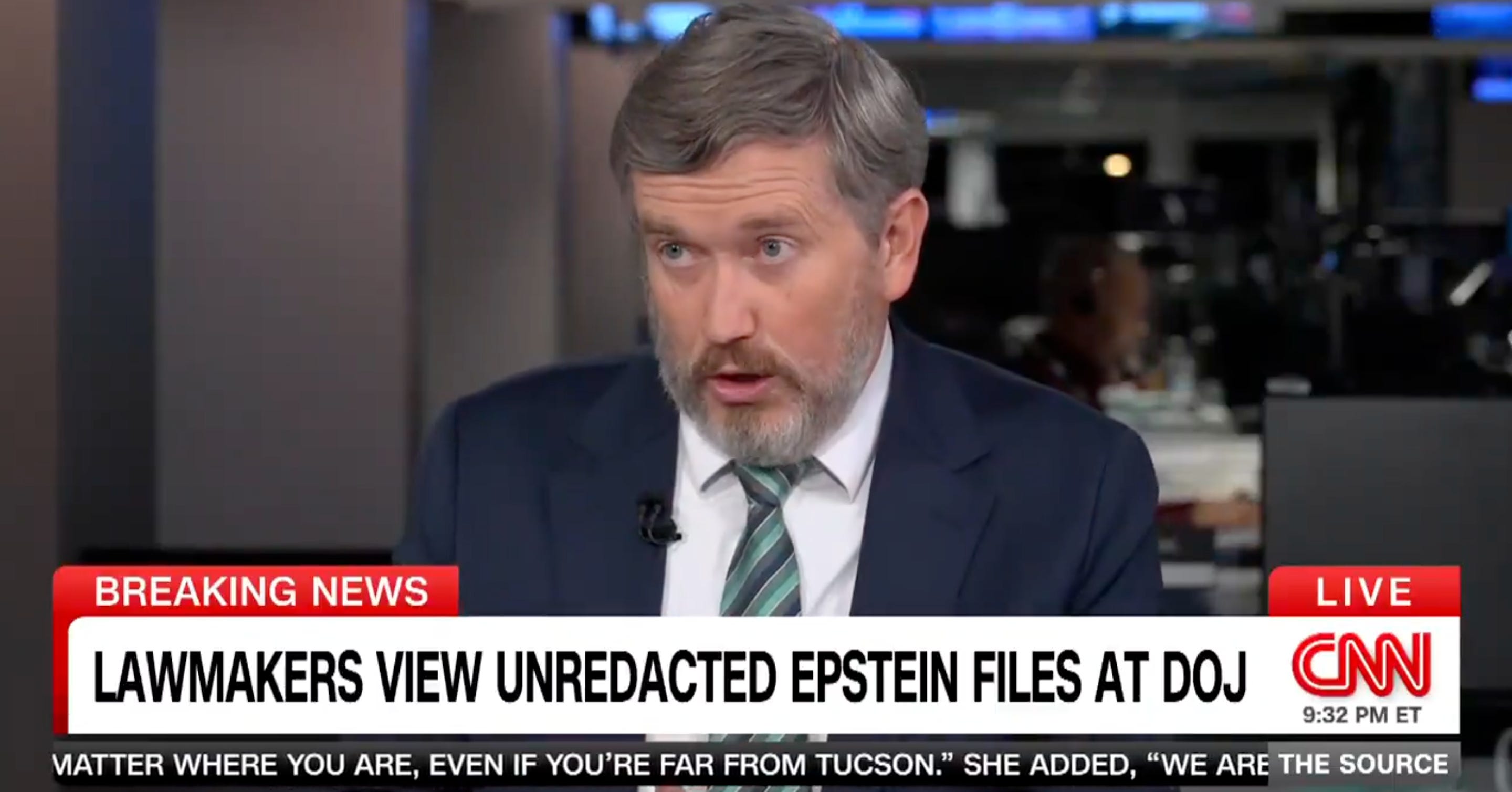
Rep. Thomas Massie (R-KY) says newly unredacted Jeffrey Epstein files raise serious questions about FBI Director Kash Patel’s prior testimony to Congress — and whether the FBI withheld evidence of others involved in Epstein’s sex trafficking network. Massie told CNN that after reviewing the unredacted documents, names he believes are co-conspirators had been blacked out in earlier releases and were inconsistent with what Patel had publicly said.
Massie’s comments escalate tension over the handling of the Epstein case after lawmakers forced the release of millions of pages under the Epstein Files Transparency Act, a 2025 law requiring the U.S. Department of Justice to make the files public. According to reporting, Massie and Rep. Ro Khanna (D-CA) say they identified at least six redacted individuals “likely incriminated” by their presence in the files. One document previously omitted billionaire Les Wexner, now described by Massie as listed as a co-conspirator in a 2019 FBI file that remained redacted until his intervention. DOJ officials say names were redacted because they appeared on the same pages as victims, not to conceal wrongdoing.
This dispute directly touches on Patel’s earlier testimony before the Senate and House, where he said the FBI did not have credible evidence linking Epstein to other traffickers. Now Massie says the unredacted records show otherwise, and he wants answers from DOJ leadership about why the redactions happened and whether Patel knew about the files when he spoke under oath.
Follow The Coffman Chronicle on NewsBreak for daily breaking political coverage.
“It’s the FBI’s own document,” Massie told CNN, “and they’ve got some explaining to do.” Massie argues transparency protects justice and victims, and demands the DOJ clarify its process for redactions.
This debate matters because it feeds into broader concerns about accountability in the Epstein investigation, how laws like the Transparency Act are implemented, and what information the public can trust from federal agencies. Massie and others say more disclosures are expected as lawmakers review the remaining unredacted records and press for further hearings.
What happens next may include congressional oversight and DOJ responses to these claims as the controversy over redactions continues.
Follow The Coffman Chronicle on NewsBreak for daily breaking political coverage.