


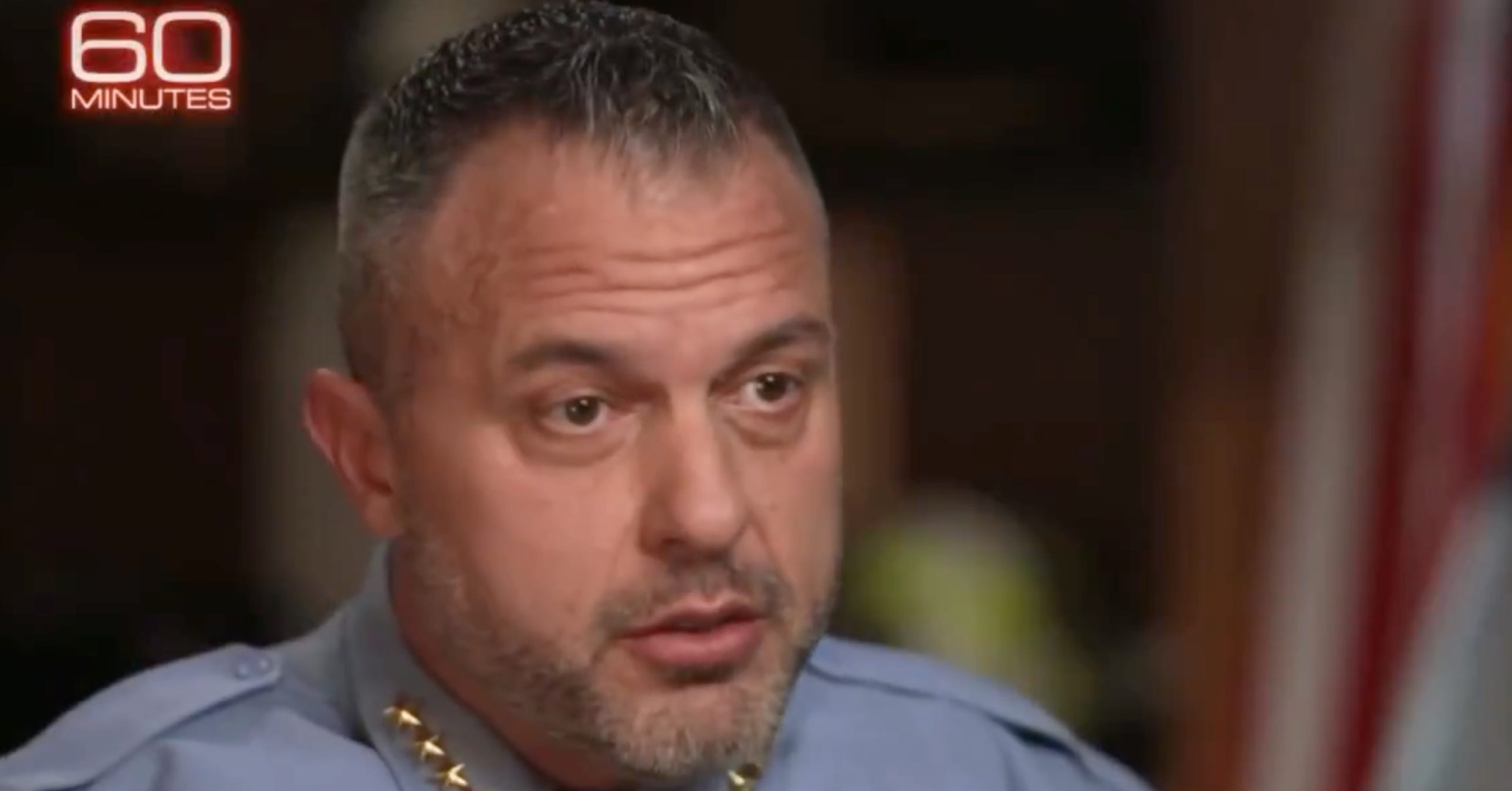
Minneapolis Police Chief Brian O’Hara has intensified scrutiny of a federal ICE shooting in the city, saying the deadly encounter “was predictable” and questioning how it unfolded — signaling rising tension between local law enforcement and federal agents.
The Jan. 7 fatal shooting of 37-year-old Minneapolis resident Renée Nicole Good by an ICE agent has sparked protests, political conflict and national debate over federal immigration enforcement tactics.
O’Hara, speaking in multiple interviews and referenced in local press, has not shied from criticizing the conduct he has observed in videos circulating online, saying ICE’s manner of engagement raised serious community trust concerns and could escalate tensions.
That stance has further deepened a dispute between Minnesota leaders and federal authorities. The Department of Homeland Security maintains the agent acted in self-defense, but local officials and some video evidence have called parts of that narrative into question.
Follow The Coffman Chronicle on NewsBreak for daily breaking political coverage.
“This kind of enforcement risks eroding the public’s trust in law enforcement,” said Chief Brian O’Hara, expressing concern about the broader impact of federal operations.
The debate has drawn in state and federal leaders, with Minneapolis Mayor Jacob Frey and Gov. Tim Walz condemning aspects of ICE’s tactics and warning of worsening civic unrest.
The controversy matters because it could shape how federal and local police coordinate in major cities, affect public attitudes toward immigration enforcement, and influence political alignment ahead of 2026 elections.
Officials are calling for transparent investigation and accountability as protests continue and legal challenges loom.
As the dispute unfolds, Minneapolis residents and leaders await clarity on what happened, who is responsible and what reforms might follow.
Follow The Coffman Chronicle on NewsBreak for daily breaking political coverage.