


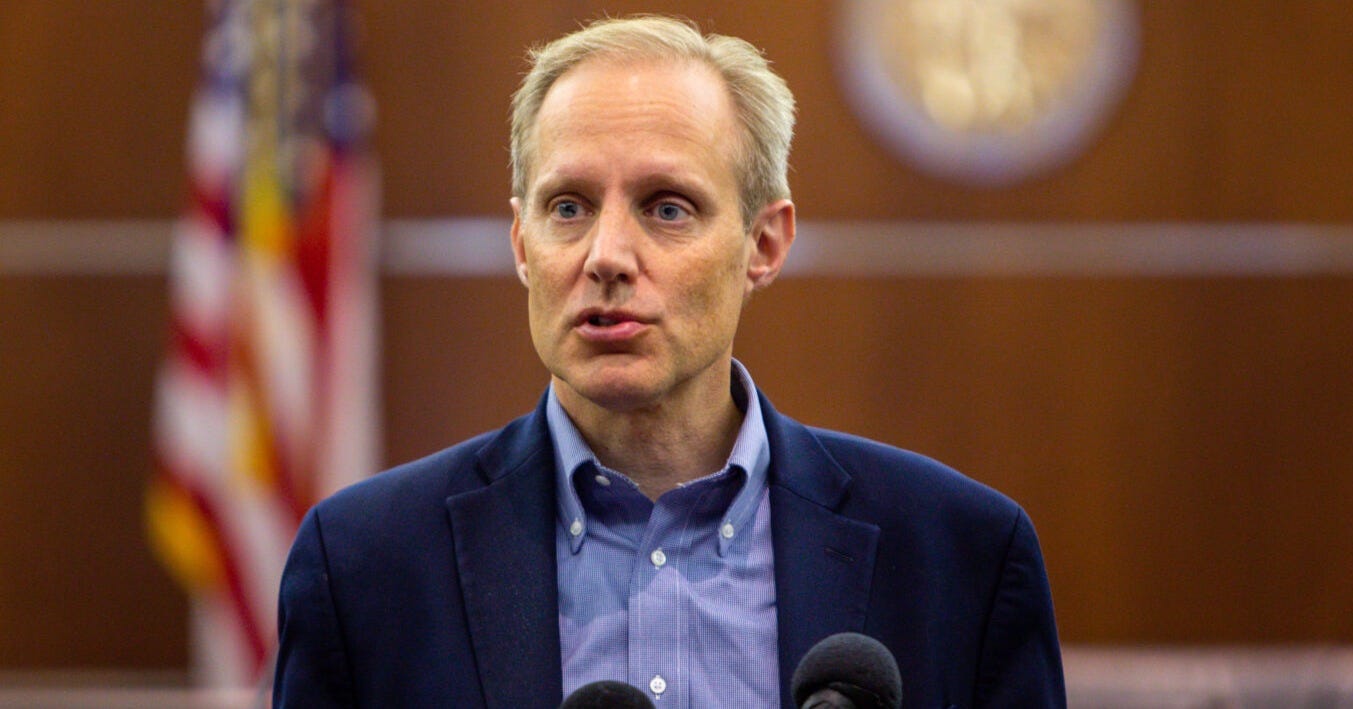
Minnesota Secretary of State Steve Simon has publicly rejected a federal demand for confidential voter registration and welfare data from the state, saying the request is unlawful and an attempt to coerce compliance. The move escalates tensions between Minnesota and the U.S. Department of Justice amid ongoing federal immigration operations in the state.
Simon’s statement comes after U.S. Attorney General Pam Bondi sent a letter to Gov. Tim Walz on Jan. 24 that tied Minnesota’s handling of sensitive state data to the continuation of federal law enforcement efforts following a recent fatal shooting by immigration agents in Minneapolis.
Bondi’s letter reportedly asked the state to give the DOJ access to its “voter rolls,” share welfare program records including Medicaid and SNAP data, and repeal sanctuary policies. In response, Simon said: “The answer to Attorney General Bondi’s request is no … an outrageous attempt to coerce Minnesota into giving the federal government private data on millions of U.S. citizens.”
Simon emphasized Minnesota elections are managed locally and that state law forbids sharing private information such as social security numbers and driver’s license data with federal authorities. He noted his office had offered to provide only data that is already public, but the DOJ declined those offers.
Follow The Coffman Chronicle on NewsBreak for daily breaking political coverage.
“It is deeply disturbing that the U.S. Attorney General would make this unlawful request a part of an apparent ransom to pay for our state’s peace and security,” Simon said.
The Secretary of State also pointed out that at least 31 other states have refused similar requests and that DOJ litigation over voter data is active in 24 states, with courts having dismissed claims in some cases.
Legal battles over federal access to detailed voter registration information have been unfolding nationwide, with courts in some states rejecting DOJ efforts as overreach.
What happens next: Minnesota’s refusal could lead to further federal litigation, and state leaders are likely to press congressional and judicial avenues to affirm state control over election administration and data privacy.
Follow The Coffman Chronicle on NewsBreak for daily breaking political coverage.