


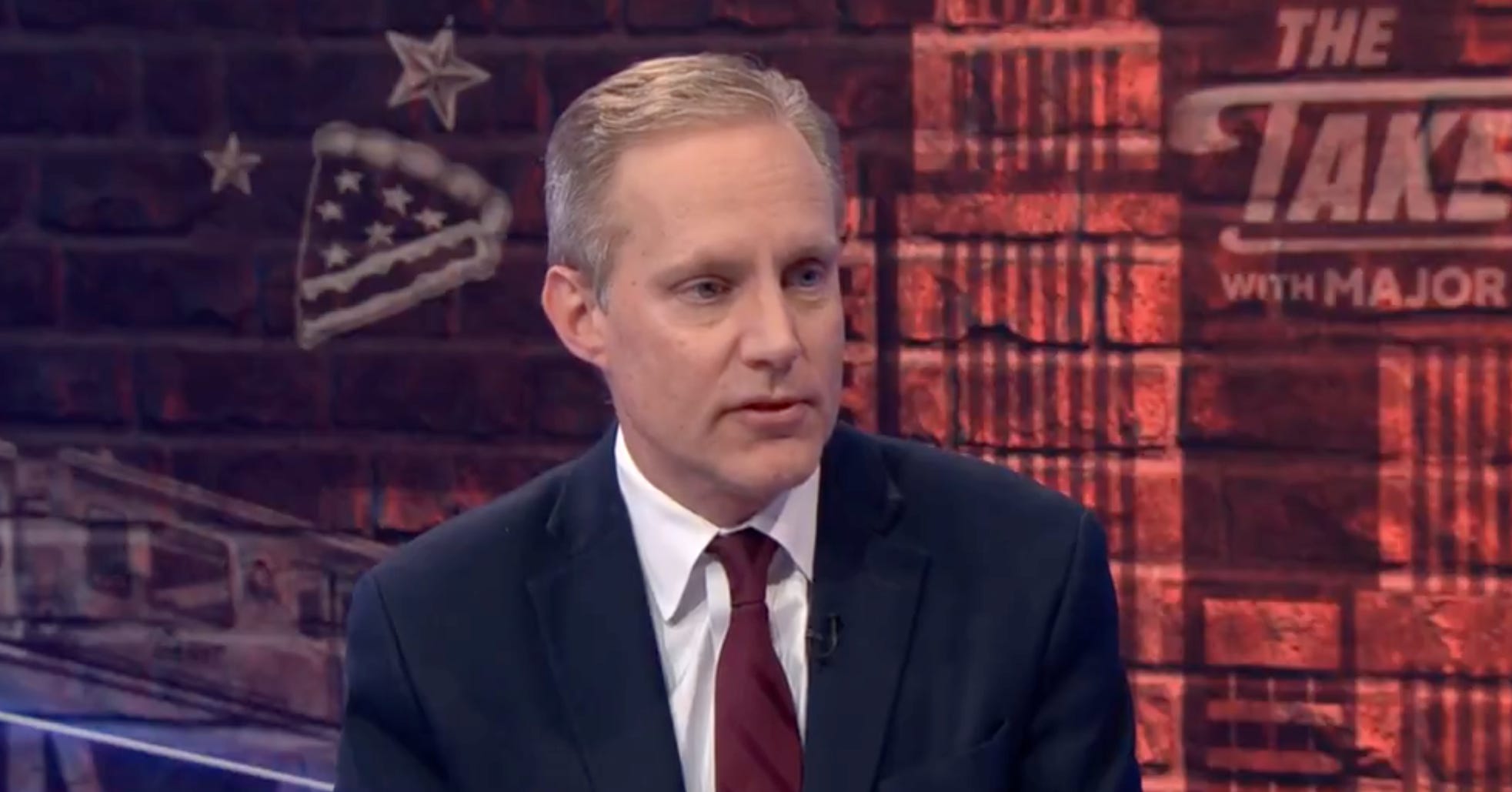
Minnesota Secretary of State Steve Simon formally rejected a federal demand for the state’s voter rolls, saying the request has no bearing on the ongoing surge of federal immigration enforcement in the state and violates privacy protections.
The demand came in a letter from U.S. Attorney General Pam Bondi, tying access to detailed voter registration data to efforts to restore “law and order” amid a controversial Immigration and Customs Enforcement (ICE) operation that has ignited protests and deadly clashes. Simon’s response raises sharp conflict between state and federal authorities over data access and civil rights.
Simon confirmed the refusal in a statement Sunday, saying the federal request for sensitive voter information is unlawful and unrelated to immigration enforcement. He said Minnesota had already offered to share publicly available voter data but that the Justice Department declined.
The broader context is an intense federal interior enforcement campaign in Minnesota known as Operation Metro Surge, which has included thousands of arrests and at least two fatal shootings by federal agents.
Follow The Coffman Chronicle on NewsBreak for daily breaking political coverage.
Simon acknowledged the federal demand was coupled with conditions aimed at easing federal operations in the state, calling that linkage “deeply disturbing.”
Simon said, “The law does not give the federal government the authority to obtain this private data.”
The issue matters because it highlights growing tensions over data privacy, federal enforcement authority, and election integrity in the lead-up to the 2026 midterm elections.
Legal battles over voter data access are underway in multiple states, and Minnesota has joined others resisting federal demands.
Next steps include ongoing litigation over data access and potential legislative or judicial challenges to federal enforcement tactics tied to immigration operations.
At stake is how much power the federal government can exert over states’ voter information in politically charged enforcement settings.
Follow The Coffman Chronicle on NewsBreak for daily breaking political coverage.