


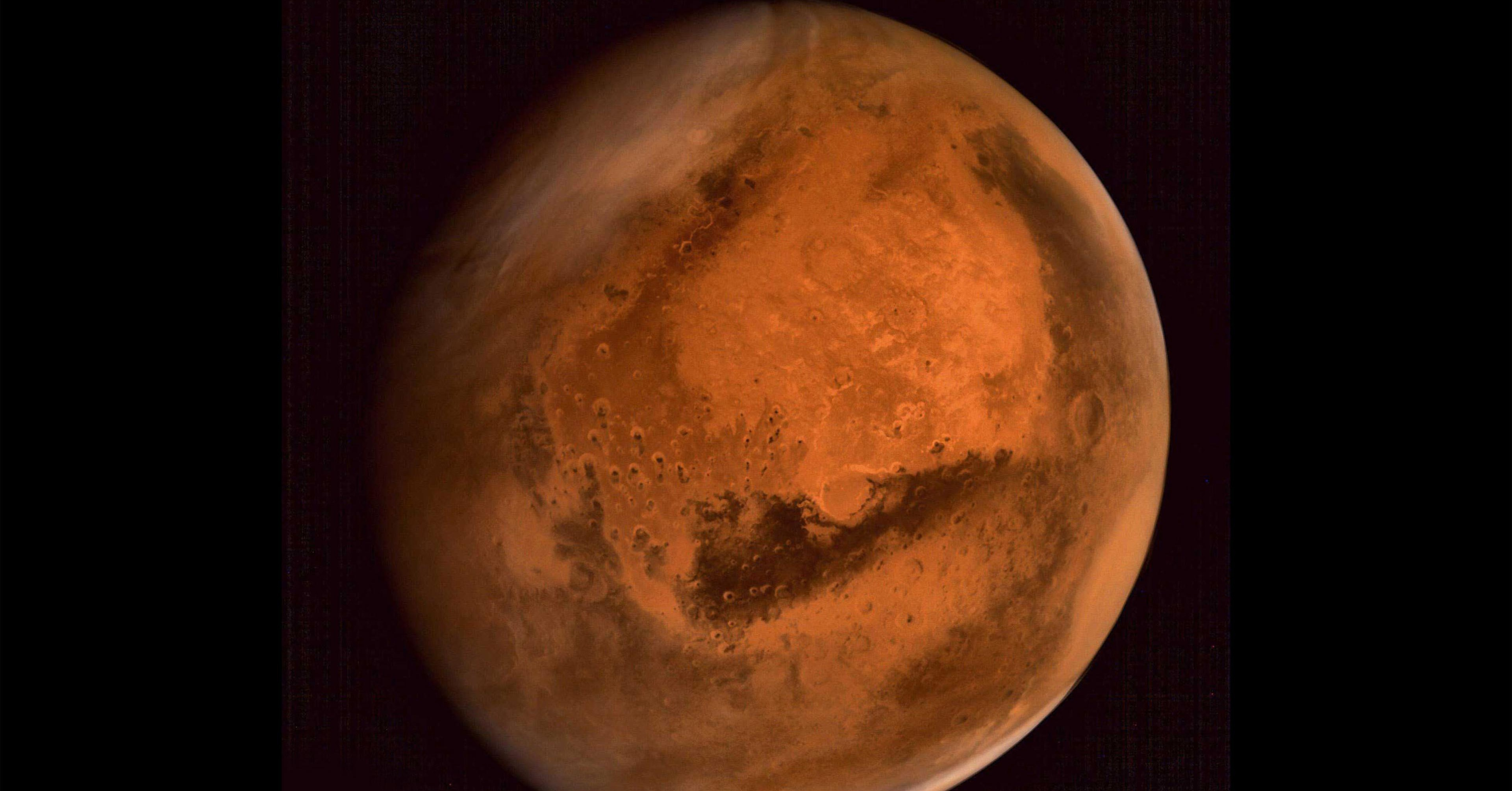
New research exploring a potentially faster route to Mars is generating renewed interest online as scientists and space agencies continue searching for ways to reduce the risks of long-duration human spaceflight.
The concept, highlighted in recent reporting, suggests that asteroid-assisted orbital trajectories could help spacecraft reach Mars more quickly than conventional mission paths. The proposal remains experimental and has not been adopted by NASA, but it arrives as public interest in Mars exploration continues expanding alongside NASA’s Artemis moon program and growing private-sector space ambitions.
Much of the discussion surrounding the research has centered on one major issue: time.
Current Mars mission concepts could require astronauts to spend many months traveling through deep space, exposing crews to radiation, isolation, and major logistical challenges. Scientists have long viewed travel duration as one of the largest barriers to sustainable human missions to Mars.
Subscribe free for daily political analysis they won’t broadcast. Join 110K+ readers →
Social media discussion around the research has focused heavily on whether breakthroughs in propulsion systems or orbital mechanics could accelerate timelines for eventual human settlement and exploration missions. Interest in Mars travel concepts has remained consistently strong as NASA continues Artemis testing and companies such as SpaceX publicly pursue long-term Mars goals.
NASA has repeatedly said Artemis missions are intended to help develop technologies needed for future deep-space exploration, including long-duration habitation systems, life support, and advanced mission planning.
While the latest research does not represent an official NASA mission plan, it reflects broader international efforts to solve the practical realities of sending humans safely to Mars.
Subscribe free for daily political analysis they won’t broadcast. Join 110K+ readers →