


Nebraska’s Republican secretary of state is preparing to hand over sensitive voter registration data for every registered voter in the state to the U.S. Justice Department after the state’s highest court declined to block the transfer. The move could reshape the national fight over federal access to state voter rolls as legal challenges continue.
A lawsuit from voting advocacy group Common Cause Nebraska sought to block the release, saying the information — including dates of birth, addresses and partial Social Security numbers — posed privacy and security risks to voters. The legal fight has raised tension between election transparency, voter privacy advocates, and federal election enforcement goals.
Nebraska’s Supreme Court this week denied an injunction that would have prevented Secretary of State Bob Evnen from sharing the data, even though the court set an expedited hearing in March to consider the appeal. A lower court had earlier dismissed Common Cause’s lawsuit.
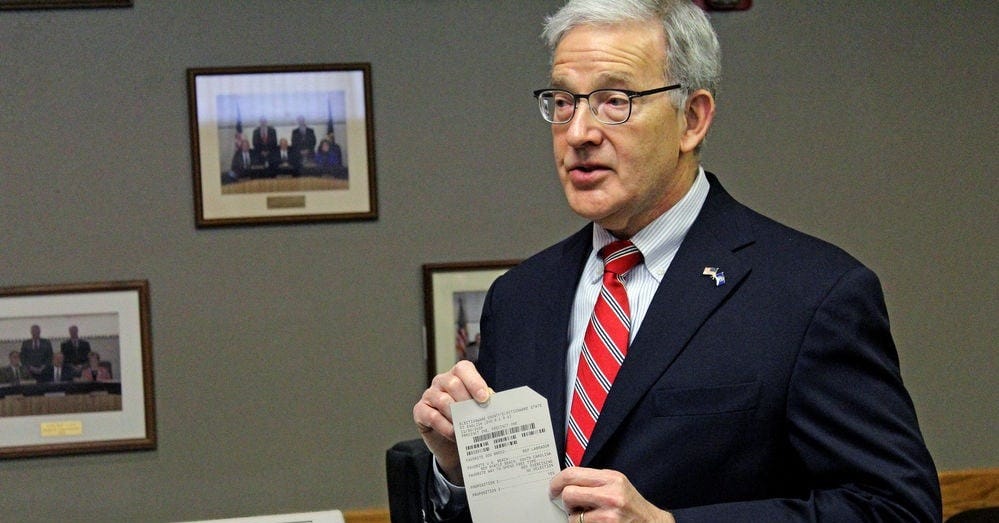
Evnen told reporters the DOJ request was “lawful and proper,” saying Nebraska wants federal review of compliance with voting laws, and the state will include a request that privacy laws be observed.
Follow The Coffman Chronicle on NewsBreak for daily breaking political coverage.
Common Cause’s lawyers warned that once the data is released, “that bell cannot be unrung,” arguing the transfer is unprecedented and could expose Nebraskans’ private information more broadly.
The dispute comes as the Justice Department has been pushing for broader access to voter registration data nationwide as part of federal oversight of election administration. Critics claim this could lead to misuse or unauthorized purges, while supporters say it helps ensure accurate voter rolls.
The Supreme Court’s March hearing will be a key next step in deciding whether states can limit federal access to underlying voter information under state privacy law. In the meantime, Nebraska is moving ahead with the planned transfer.
What happens next: The March hearing and possible federal or other state challenges could influence how voter data requests are handled nationwide.
Follow The Coffman Chronicle on NewsBreak for daily breaking political coverage.