


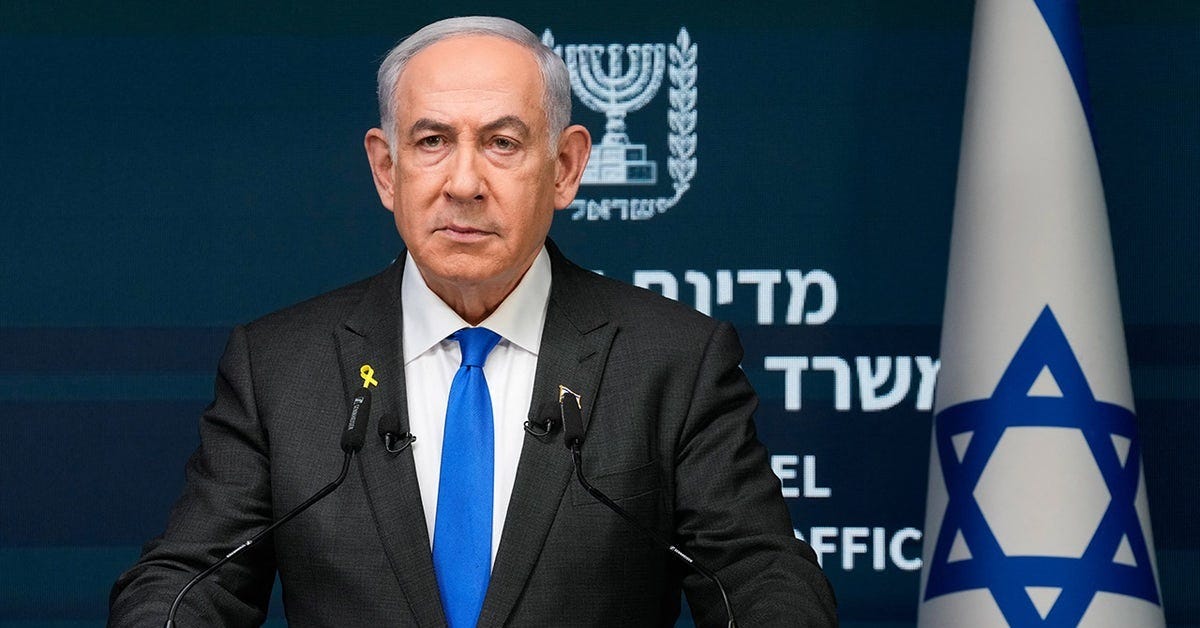
Israeli airstrikes across Lebanon are intensifying global pressure on a newly announced U.S.–Iran ceasefire, with world leaders questioning whether the agreement can hold.
The strikes came within hours of the truce announcement, raising immediate concerns that the deal may already be unraveling.
According to Reuters and The Washington Post, Israeli forces hit multiple areas including Beirut and southern Lebanon, killing more than 200 people and injuring hundreds. Israeli officials said the operations targeted Hezbollah infrastructure and insisted Lebanon was not covered by the ceasefire.
That claim is now at the center of a growing international dispute.
Iran, Pakistan, and several global leaders say Lebanon was implicitly part of the agreement, while the United States has backed Israel’s position that it is a separate front. The United Nations condemned the civilian toll as “appalling,” warning the strikes could violate international law.
Subscribe free for daily political analysis they won’t broadcast. Join 110K+ readers →
“The destruction and deaths are horrific,” said UN human rights chief Volker Türk.
The fallout is expanding beyond the battlefield.
European and allied governments are calling for a broader ceasefire, while Iran warned the attacks make further negotiations “meaningless.” Analysts cited by The Guardian say the timing risks undermining trust in U.S.-led diplomacy and could prolong the conflict.
Economic pressure is also building.
Oil prices are rising again as instability around the Strait of Hormuz threatens global supply routes, adding urgency to diplomatic efforts.
Talks are expected to continue in Pakistan, but the core issue remains unresolved.
Whether Lebanon is part of the ceasefire may determine if the deal survives.
Download a FREE Pocket Constitution NOW →
