


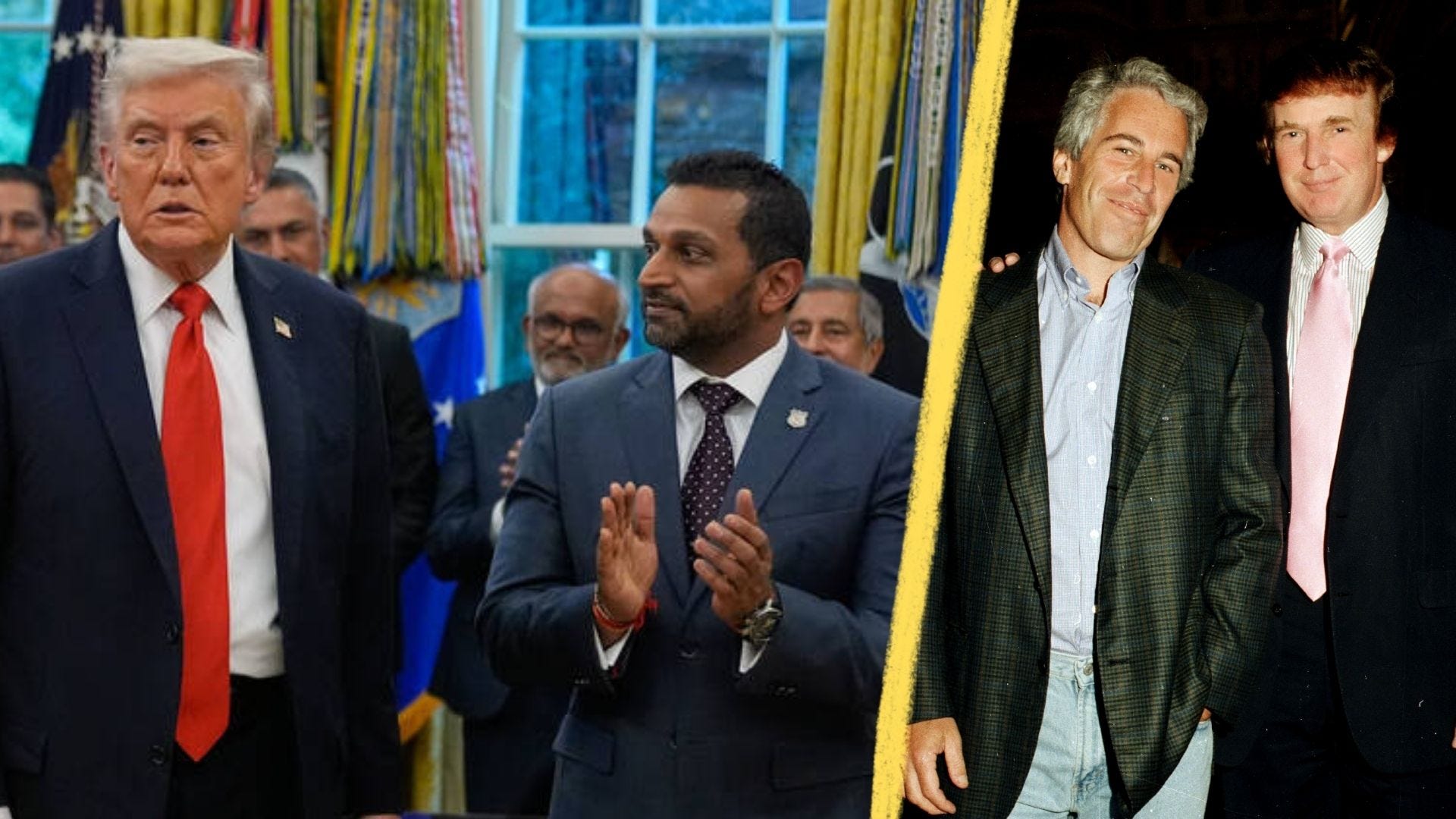
Newly released internal emails obtained through the Freedom of Information Act show the FBI spent much of 2025 racing to process and redact hundreds of gigabytes of Jeffrey Epstein–related records — just as a new federal transparency law forces the Justice Department to release unclassified materials by mid-December.
Follow The Coffman Chronicle on NewsBreak for daily breaking political coverage.
The documents, obtained by reporter Jason Leopold, detail a huge push inside the bureau known as the “Special Redaction Project.” According to the emails and DOJ memos, the FBI deployed roughly 1,000 personnel to a Virginia facility earlier this year to comb through more than 300 gigabytes of digital and physical Epstein case files. Agents logged nearly 4,800 overtime hours between January and July, costing more than $850,000, as they worked to remove Social Security numbers, victim identities, and any imagery or material involving minors — standard redactions required under federal law.
A July DOJ memo summarizing the review said the bureau found no “client list” and no new evidence implicating uncharged individuals, echoing what senior officials later told The Wall Street Journal when they publicly said “there is no Epstein client list.” The FBI also concluded there was “no basis” to revisit previously sealed documents, despite renewed public pressure.
The transparency push comes after Congress passed — and President Trump signed — the Epstein Files Transparency Act in November. The law requires the DOJ to release all unclassified Epstein-related records within 30 days, while still allowing redactions for victim privacy, explicit material, national security concerns, and ongoing investigative sensitivities.
What the public will actually see remains uncertain. Advocates fear that broad redaction authority may leave key information withheld, even as the DOJ insists it must balance disclosure with legal protections for survivors.
Adding to the pressure, a federal judge recently ordered the DOJ to expedite a separate FOIA request seeking internal correspondence about the government’s shifting positions on releasing Epstein files — potentially setting up a second wave of disclosures.
The December deadline now looms over one of the most scrutinized document dumps in recent memory. With survivors, lawmakers, and the public all demanding clarity, the coming release may raise as many questions as it answers.