


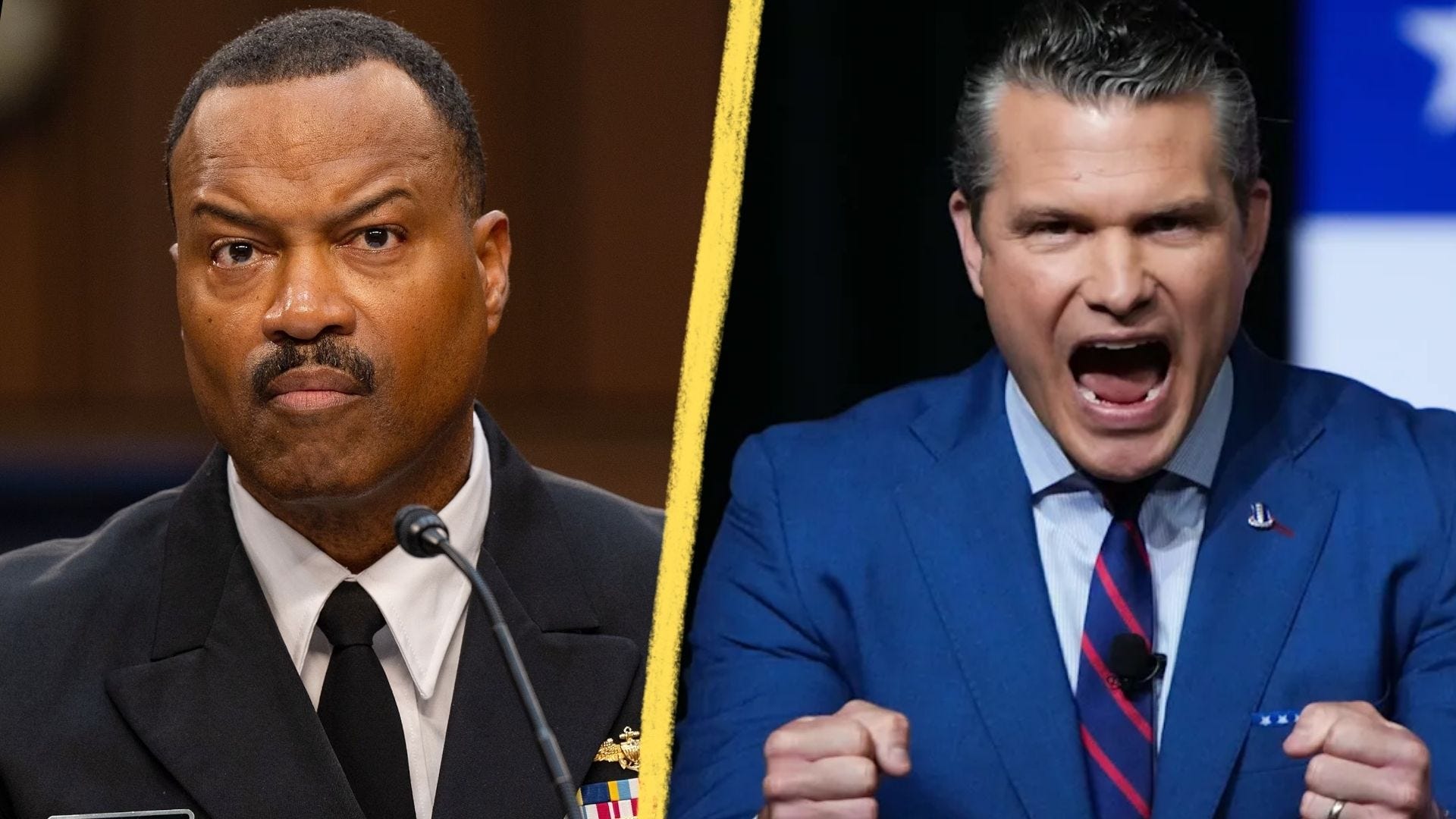
A sudden military leadership change announced weeks ago is now taking on new significance after a new report reveals that Defense Secretary Pete Hegseth personally pushed U.S. Navy Admiral Alvin Holsey to step down following disagreements about controversial boat-strike operations in the Caribbean.
Follow The Coffman Chronicle on NewsBreak for daily breaking political coverage.
Holsey, who led U.S. Southern Command (SOUTHCOM), announced in October that he would retire at the end of the year — an unusually early departure after less than a year in the position. At the time, no explanation was provided, and the decision was framed as a standard leadership transition.
But according to The Wall Street Journal and additional reporting from Reuters, the retirement was not entirely voluntary. Sources familiar with internal Pentagon discussions say Hegseth asked Holsey to resign after months of tension over U.S. operations targeting suspected drug-trafficking vessels near Venezuela. Those strikes — including a September attack that hit a boat followed by a second strike on survivors — have drawn bipartisan concern in Congress and raised legal questions about the rules of engagement.
The new reporting indicates Holsey expressed concerns about the legality and escalation of the operations, putting him at odds with senior Pentagon leadership. The Defense Department has not publicly addressed those claims, and Holsey has not commented on the circumstances of his departure.
The White House and Pentagon maintain that the strikes were lawful under the administration’s designation of certain trafficking groups as narco-terrorist organizations. Officials deny allegations that illegal orders were issued.
Holsey’s departure, initially viewed as a routine personnel change, now appears connected to internal disagreements over one of the administration’s most controversial military actions. The revelation comes as Congress continues seeking information about the chain of command behind the strikes and whether military leaders raised objections that were overridden or ignored.
Holsey, a 37-year Navy veteran, leaves SOUTHCOM at a moment when U.S. operations in the region are under heightened legal and political scrutiny.