


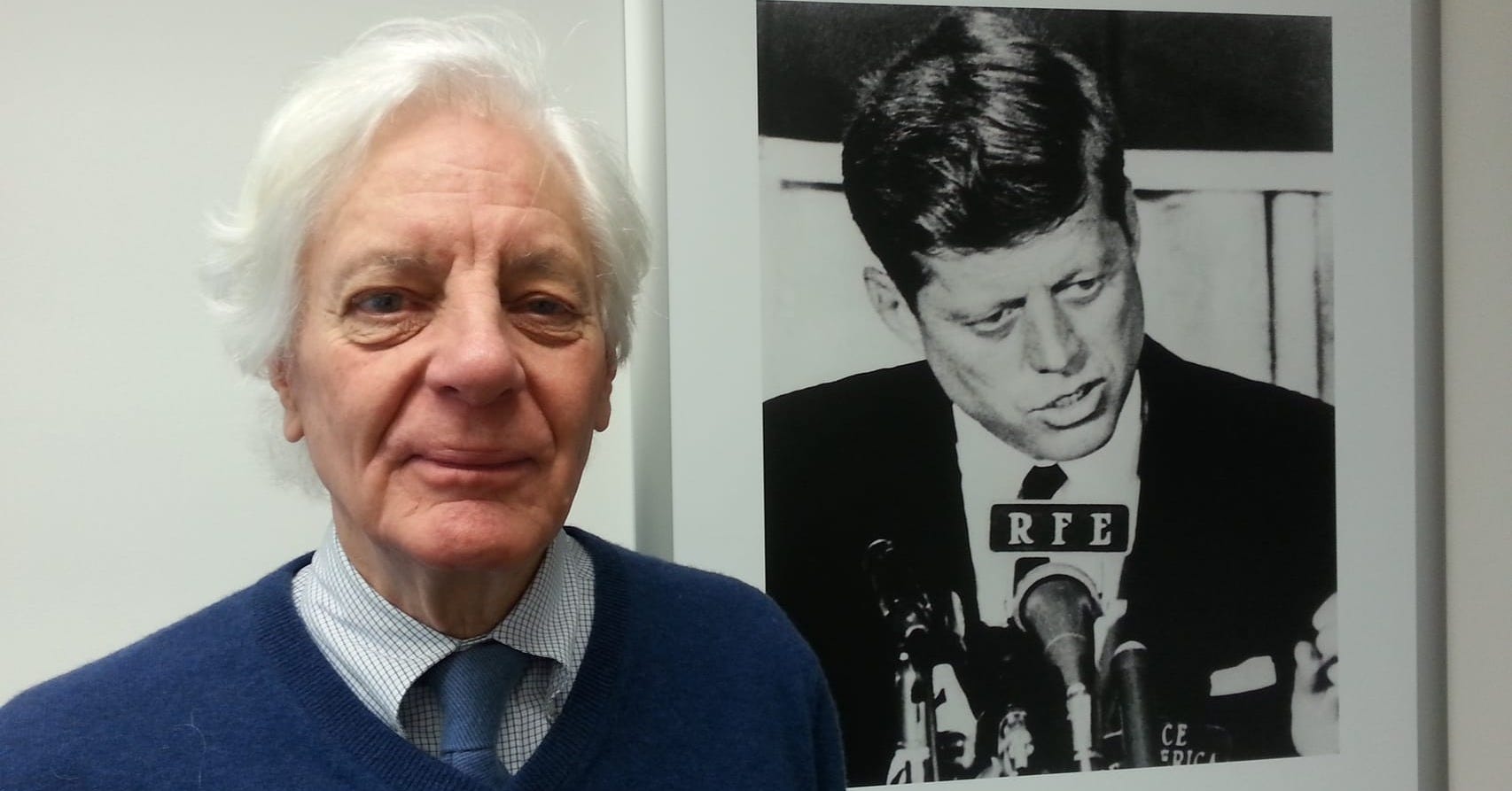
Kevin Klose, the former NPR president who oversaw a decade of rapid expansion, has died, marking the loss of a central figure in modern public media.
His tenure reshaped NPR at a moment when radio faced growing competition from digital platforms.
Klose led NPR from 1998 to 2008, a period when the network’s audience doubled to about 26 million weekly listeners, according to Columbia Journalism Review and NPR data.
Under his leadership, NPR expanded its newsroom, opened new domestic and international bureaus, and invested heavily in digital distribution and its website.
That push helped transform NPR from a traditional broadcast outlet into a multi-platform news organization, but it also introduced new tensions.
Some local stations raised concerns that NPR’s national fundraising and digital access could bypass local affiliates, creating friction within the public radio system.
Subscribe free for daily political analysis they won’t broadcast. Join 110K+ readers →
“Kevin has been a vital figure in shaping today’s dynamic public radio system,” the Corporation for Public Broadcasting said in recognizing his impact.
The broader shift he led still defines public media today, as NPR and similar outlets balance national growth with local station partnerships and funding realities.
His expansion strategy also positioned NPR for the podcast era, where it later became one of the most downloaded audio publishers in the country.
In the years since his departure, NPR has continued to grow its digital audience but has faced financial pressures tied to underwriting and shifting listener habits.
Klose’s legacy remains embedded in that transformation, as public radio continues adapting to new platforms and economic challenges.
His impact on public media is expected to remain a reference point as NPR charts its next phase.
Download a FREE Pocket Constitution NOW →
