


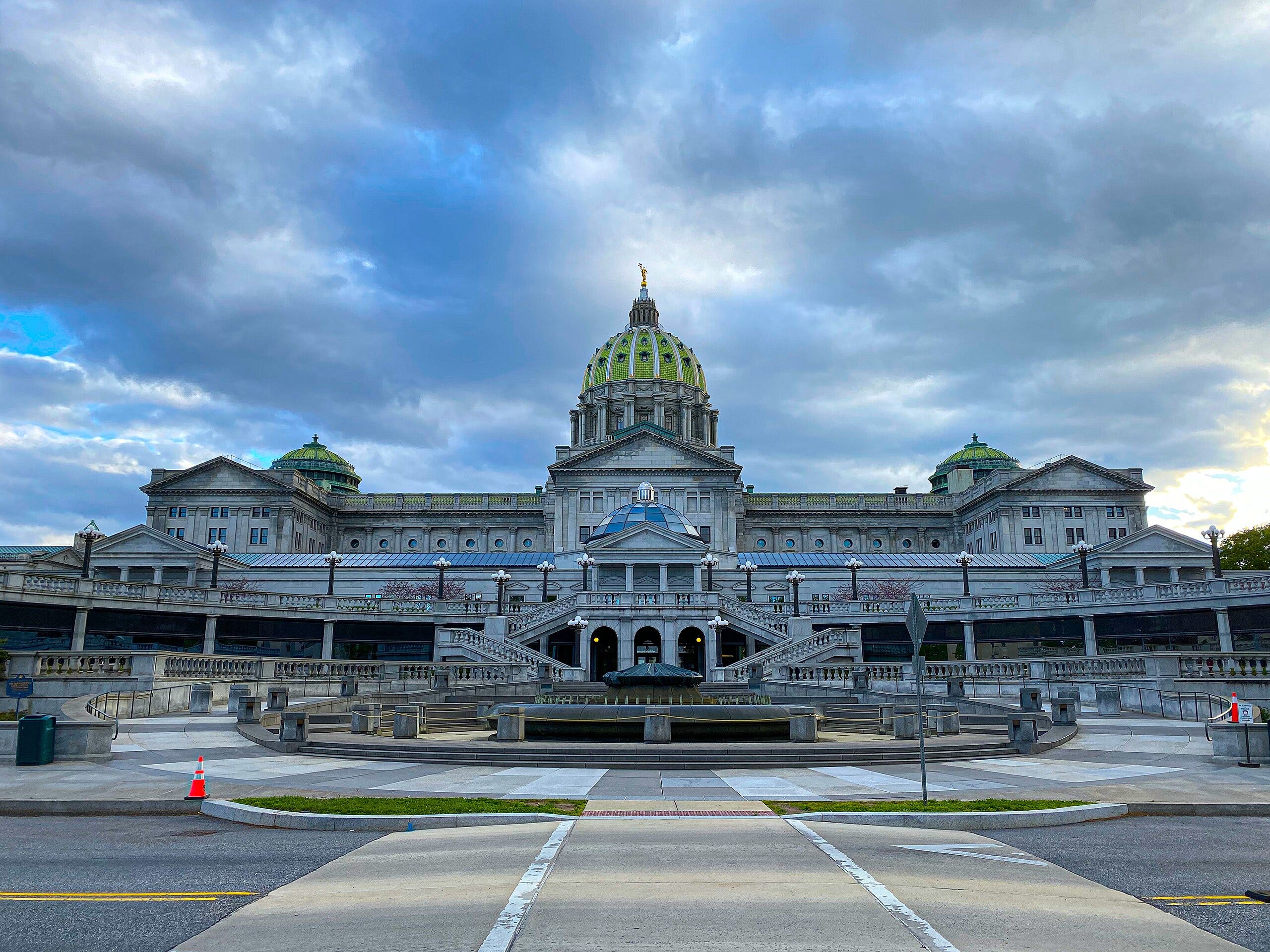
Pennsylvania - President Donald Trump is scheduled to visit Pennsylvania this week to promote what his campaign is calling a renewed push to highlight his administration’s “economic gains,” according to a preview from NewsNation. The stop comes as Pennsylvania remains one of the most closely watched battlegrounds in the country, but the economic picture on the ground is more complicated than the upbeat message Trump plans to deliver.
Follow The Coffman Chronicle on NewsBreak for daily breaking political coverage.
According to new reporting from the Associated Press, several key indicators show the state’s economy experiencing noticeable strain. The Philadelphia Federal Reserve’s latest Beige Book review cited flat hiring across several sectors, reduced hours for warehouse workers and a decline in existing-home sales. The Fed also reported weakened manufacturing activity in the region, suggesting that industrial employers are pulling back as broader economic uncertainty continues. The AP notes that Pennsylvania’s unemployment rate has risen from about 3.6% to 4% over the past year, adding roughly 24,000 people to the state’s unemployed ranks.
At the same time, Pennsylvanians are bracing for a sharp rise in health-insurance costs. Individual-market premiums are projected to increase by approximately 21.5% due to the expiration of federal tax credits, according to the AP’s review of state filings. National inflation has eased from its peak but remains at around 3%, leaving many households still feeling pressure at the grocery store, at the pharmacy and in monthly utility bills.
Trump is expected to counter that narrative by emphasizing what he describes as his administration’s progress on lowering inflation and strengthening U.S. manufacturing. However, independent fact-checkers have repeatedly found many of his broad economic claims — including statements that he presided over “the greatest economy in history” — to be exaggerated or inaccurate. PolitiFact notes that several core metrics, such as inflation-adjusted wage growth and per-person GDP increases, did not set historical records during his previous term.
The Pennsylvania visit underscores his effort to reclaim voters concerned about affordability, wages and job stability. Whether his “economy tour” message resonates may depend on how voters interpret their own financial situations compared with the data emerging from the Federal Reserve and state agencies. As Trump continues traveling to key states, the campaign faces increasing pressure to present verifiable, state-specific evidence of economic gains rather than broad national claims. What happens next will likely hinge on how both campaigns address the persistent cost-of-living concerns shaping voter sentiment across Pennsylvania.