


Senior Pentagon officials are preparing a sweeping plan to reshape the U.S. military’s top command structure in what would be one of the most significant changes in decades.
The proposal, reported exclusively by The Washington Post, seeks to reduce the number of regional combatant commands, cut senior leadership positions and shift institutional power inside the Department of Defense. If adopted, the plan would reconfigure U.S. global military posture and decision-making.
According to Pentagon insiders familiar with the discussions, the number of combatant commands — the military’s highest operational headquarters — would shrink from 11 to eight. Key regional commands such as U.S. Central Command, U.S. European Command and U.S. Africa Command would be placed under a new “U.S. International Command.” At the same time, U.S. Northern Command and U.S. Southern Command would merge into a new “U.S. Americas Command.” The remaining commands would include Indo-Pacific, Cyber, Space, Strategic, Transportation and Special Operations.
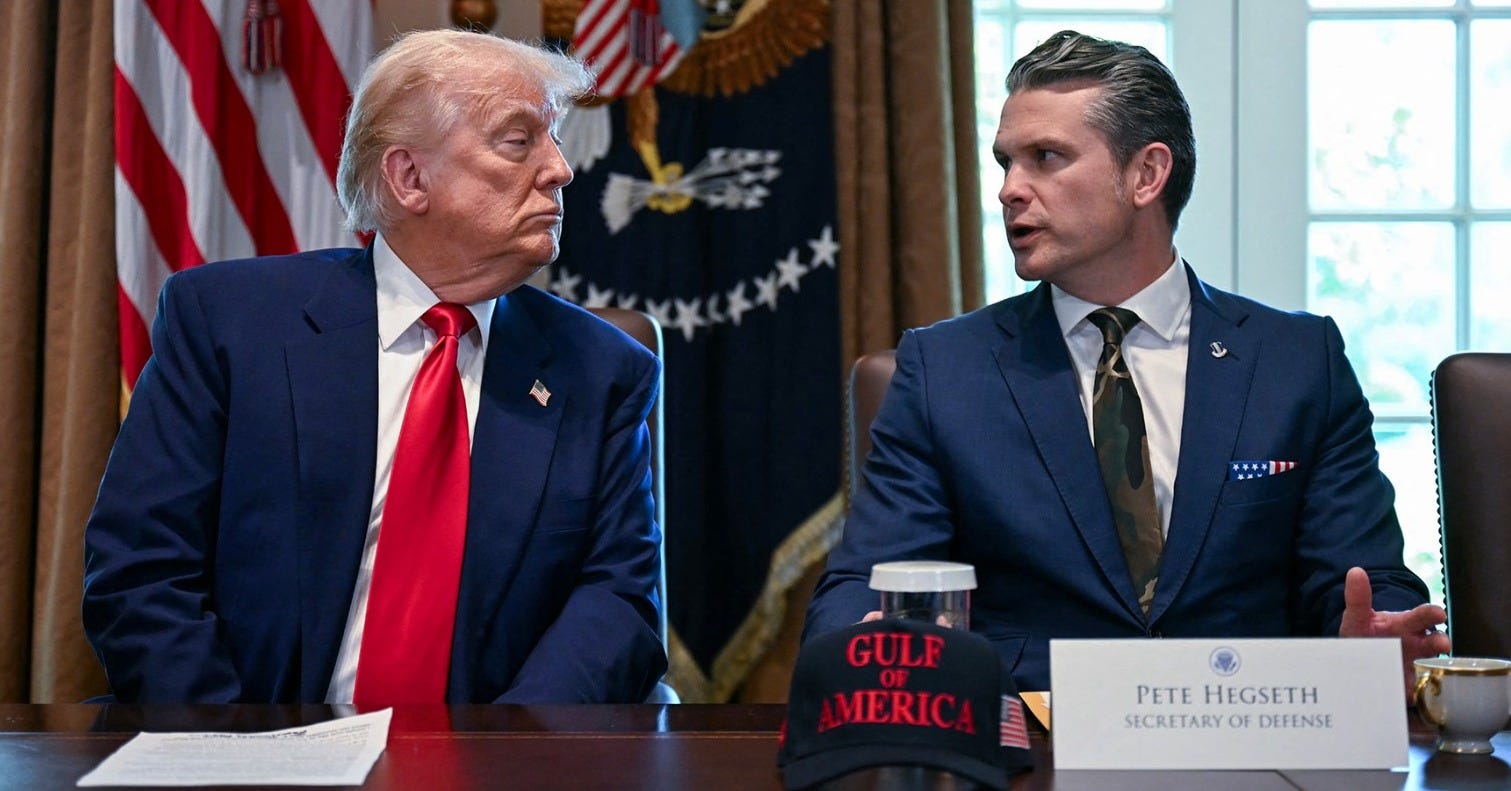
Those familiar with the draft say the changes would also reduce the number of four-star generals and admirals reporting directly to Defense Secretary Pete Hegseth, reshaping the military’s senior leadership landscape. However, full details, official timelines and internal Pentagon buy-in remain uncertain.
Follow The Coffman Chronicle on NewsBreak for daily breaking political coverage.
“Those familiar with the plan said it aligns with the new National Security Strategy, declaring that the days of propping up the entire world order are over,” a defense official told The Post.
The plan’s proponents argue it would streamline decision cycles and align military structure with strategic priorities outlined in the Trump administration’s National Security Strategy.
Opponents caution that consolidating commands could weaken regional expertise and complicate longstanding alliance relationships that have underpinned U.S. strategy for decades.
Senior leaders have yet to formally present the proposal to Congress or issue official Pentagon comment.
Approval from both Defense Secretary Hegseth and President Trump would be required before any changes take effect.
What happens next?
Lawmakers are expected to demand detailed briefings on risks, costs and alliance implications before any restructuring moves forward.
Follow The Coffman Chronicle on NewsBreak for daily breaking political coverage.