


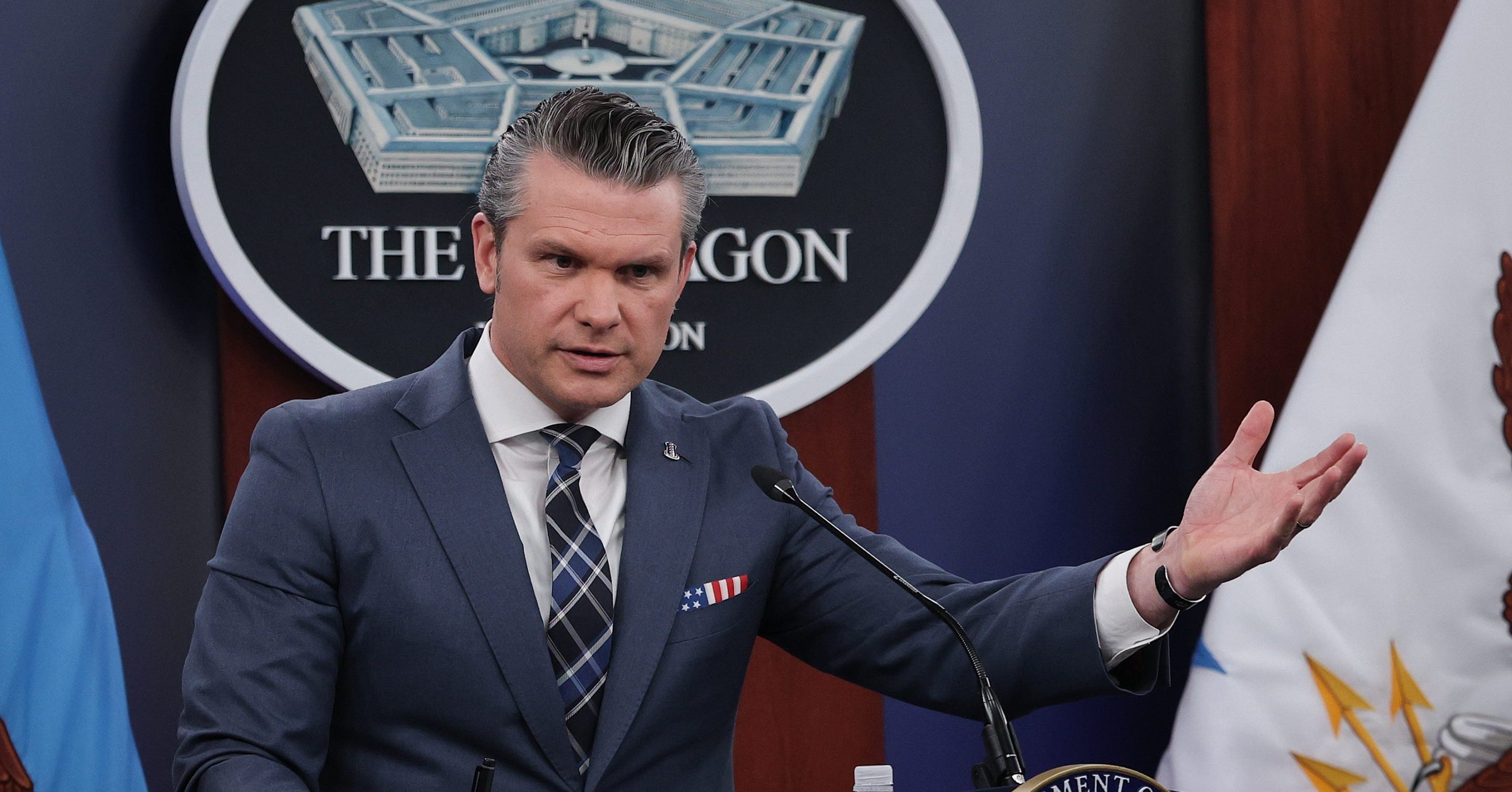
The Pentagon has raised its estimated cost of the Iran war to $29 billion, intensifying congressional scrutiny as lawmakers press the administration for answers on funding, strategy, and the long-term economic consequences of the conflict.
The updated figure, disclosed during congressional hearings this week, is approximately $4 billion higher than estimates provided just two weeks ago. Defense Secretary Pete Hegseth defended the administration’s proposed $1.5 trillion defense budget but repeatedly declined to specify when the White House might seek additional supplemental funding for the war.
The conflict, launched earlier this year, has entered what officials describe as a fragile ceasefire phase. Fighting has slowed, but military operations remain active and U.S. commanders continue preparing contingency plans in case negotiations collapse or regional escalation resumes.
The rapidly increasing cost is becoming a growing political issue on Capitol Hill. Lawmakers from both parties questioned whether the administration has a defined endgame and warned that prolonged military spending could deepen deficit pressures at a time when inflation remains elevated.
Subscribe free for daily political analysis they won’t broadcast. Join 110K+ readers →
The economic effects are already reaching consumers. Oil prices surged during the conflict amid disruption fears tied to the Strait of Hormuz, helping push gasoline prices higher across the United States. Economists have warned that sustained energy shocks could continue fueling inflation while slowing economic growth.
Critics in Congress increasingly argue the administration must provide clearer projections on both military objectives and financial exposure before additional funding requests move forward.
The new $29 billion estimate also strengthens comparisons to previous U.S. conflicts that began with limited objectives before expanding into larger and more expensive military engagements.
For now, the war remains unresolved, and the cost trajectory is moving sharply upward, raising pressure on both the Pentagon and the White House to explain what comes next.
Subscribe free for daily political analysis they won’t broadcast. Join 110K+ readers →