


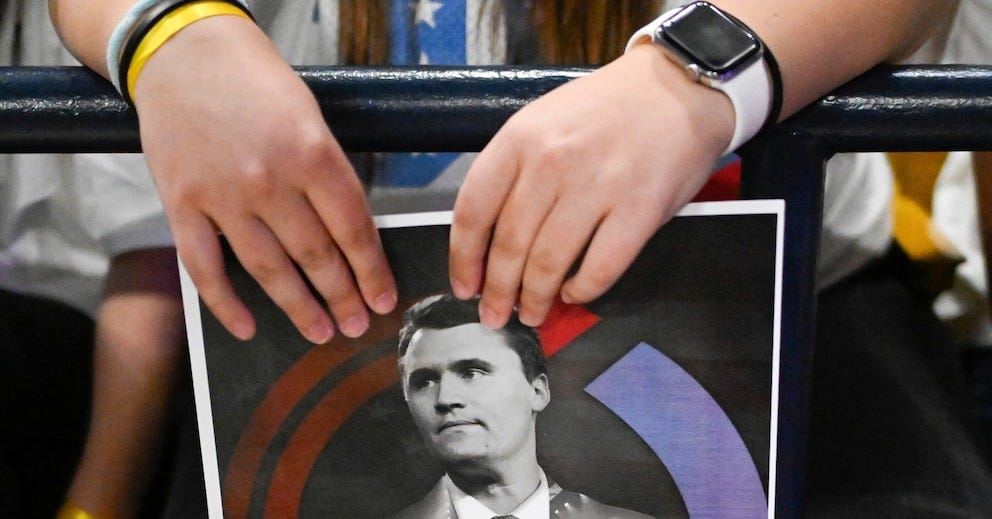
Several people who claimed they were punished, fired, or disciplined after criticizing conservative activist Charlie Kirk following his killing have collectively secured more than $2 million through lawsuits and settlements, according to recent reporting from Forbes.
One of the most visible cases involved Ball State University, which reportedly agreed to pay a $225,000 settlement connected to allegations involving political speech and retaliation.
The legal fights are becoming part of a wider national argument over free expression, ideological enforcement, and whether institutions apply speech standards consistently during politically charged moments.
The issue intensified after Vice President JD Vance publicly called for consequences against people who mocked or celebrated Kirk online after his death. Supporters argued that hateful public comments should carry professional consequences. Critics warned that political retaliation campaigns could create a chilling effect on speech.
Subscribe free for daily political analysis they won’t broadcast. Join 110K+ readers →
Many of the disputes now moving through courts or settlement negotiations are not simple First Amendment cases. Private employers generally retain broad authority over employee conduct and public behavior. But legal exposure can increase when public institutions, employment contracts, labor protections, or viewpoint discrimination allegations are involved.
The lawsuits also arrive during a broader national conflict over political expression in workplaces, universities, and digital spaces. Institutions increasingly face pressure from both activists and political leaders demanding action against controversial speech.
Critics of the retaliation efforts argue the trend threatens open political discourse. Others contend employers have legitimate interests in policing conduct they believe harms workplace culture or public reputation.
The outcome of these cases could shape how universities, corporations, and public agencies respond to politically inflammatory speech moving forward.
Subscribe free for daily political analysis they won’t broadcast. Join 110K+ readers →