

Poll: Most Voters Say Government Is “Doing Nothing” About the Cost of Living

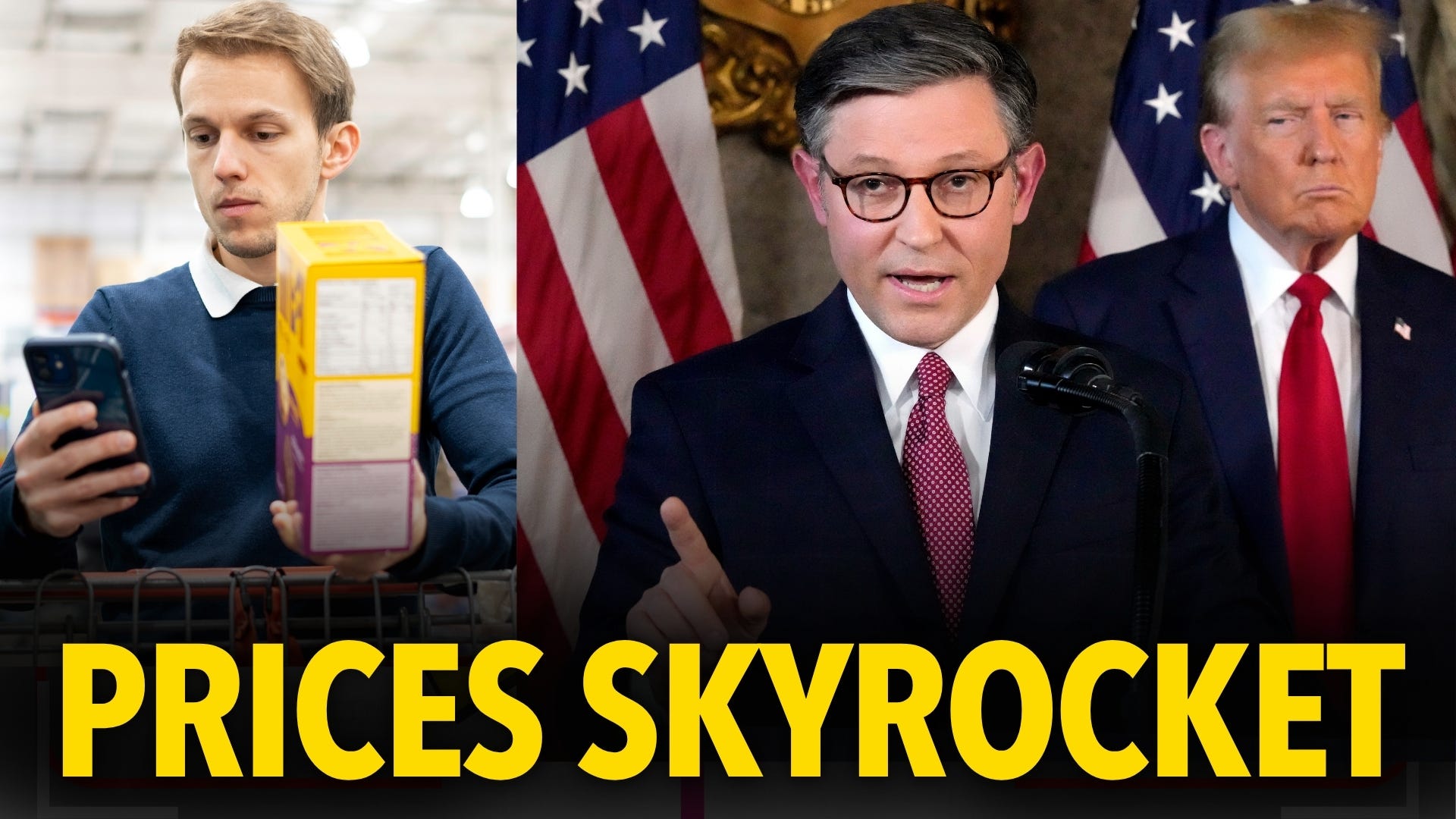
A new national survey finds that a majority of Americans believe the federal government is failing to take meaningful action to address rising costs for groceries, housing, utilities, and other basic expenses. The findings come as inflation pressures continue to shape voter sentiment heading into the 2026 election cycle.
According to the poll, released this week by a nonpartisan research organization, 63 percent of voters say the government is “not doing anything” to help families deal with the cost of living. Another 22 percent say the government is doing “too little,” while only 9 percent believe elected officials are doing “a lot” to ease financial pressures.
RELATED: How Trump’s FDA Cuts Are Putting Tainted Food on America’s Tables
The concerns cut across party lines. Majorities of Democrats, Republicans, and independents all reported feeling that Washington’s response to rising costs has been inadequate. Younger voters and working-class households expressed the highest levels of frustration.
Researchers noted that the cost of essential items continues to outpace wages in many areas. Grocery prices have increased steadily over the past year, and housing affordability remains at its lowest level in decades in much of the country. Several respondents reported cutting back on non-essential purchases, taking on additional work hours, or delaying major expenses due to rising bills.
RELATED: Trump’s 50-Year Mortgage Doesn’t Fix the Housing Crisis. It Profits From It.
The poll also found that inflation and cost-of-living issues now rank as the top concern for voters, surpassing immigration, health care, and foreign policy. Economic anxiety is expected to play a significant role in upcoming state and federal races, with candidates from both parties already tailoring messaging around affordability and household budgets.
Lawmakers in both chambers have introduced proposals aimed at lowering prices, including measures related to prescription drugs, food pricing transparency, and housing supply. However, analysts say partisan gridlock has slowed progress on most major economic legislation.
The survey included a nationally representative sample of voters and was conducted over the past two weeks. Researchers say the results reflect a widespread desire for faster and more effective action from federal officials as families continue to navigate higher prices.