


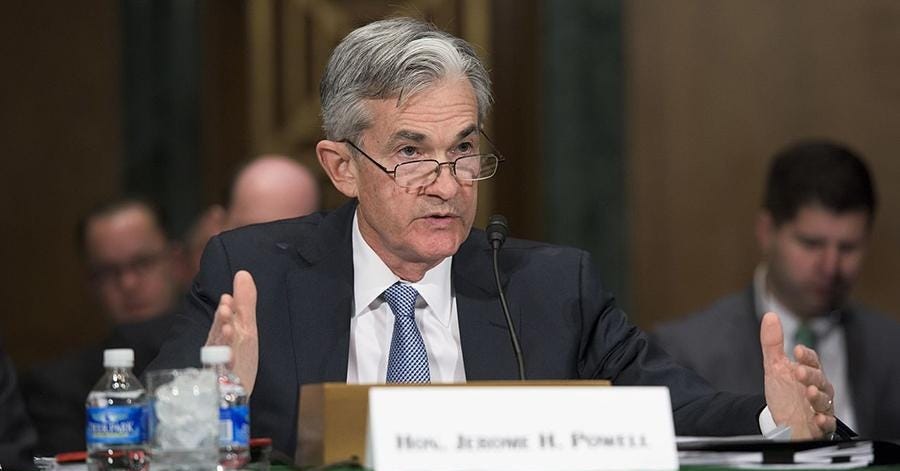
Federal Reserve Chair Jerome Powell confirmed Wednesday that Federal Reserve staff believe the U.S. government’s job creation figures may be overstated by as much as 60,000 jobs per month, a gap that could signal a weaker labor market than official data suggest. Powell made the remarks at a press briefing following the Federal Open Market Committee’s December policy meeting in Washington, D.C.
The timing matters because the November jobs report showed only about 64,000 jobs added, and unemployment rising to 4.6%, the highest in years, fueling debate over economic strength and future policy.
Powell said the potential overstatement stems from the Bureau of Labor Statistics’ “birth-death” model, a statistical tool meant to estimate jobs from newly opened and closed businesses when direct survey data are unavailable. If the model is overcounting, reported hiring could be inflated. Powell noted that with reported gains around 40,000 per month since April, adjusting for an overcount of 60,000 could imply actual job numbers are declining.
Follow The Coffman Chronicle on NewsBreak for daily breaking political coverage.
That possibility adds complexity to how policymakers view labor market health, especially with inflation above target and unemployment rising. Many economists already flagged revisions to past BLS data showing larger downward adjustments.
“We think there’s an overstatement in these numbers,” Powell said, emphasizing data challenges.
Powell’s comments matter because they could affect interest rate decisions and market confidence in employment statistics. With data collection disrupted by a lengthy government shutdown and a tight labor supply, measuring real job creation has grown more difficult.
What we could expect next.
The Fed’s next meeting is scheduled for late January, where updated labor data and inflation trends will be key inputs.
Even as policymakers grapple with what the data mean, labor market revisions and job growth patterns will continue shaping economic policy heading into 2026.
Follow The Coffman Chronicle on NewsBreak for daily breaking political coverage.