


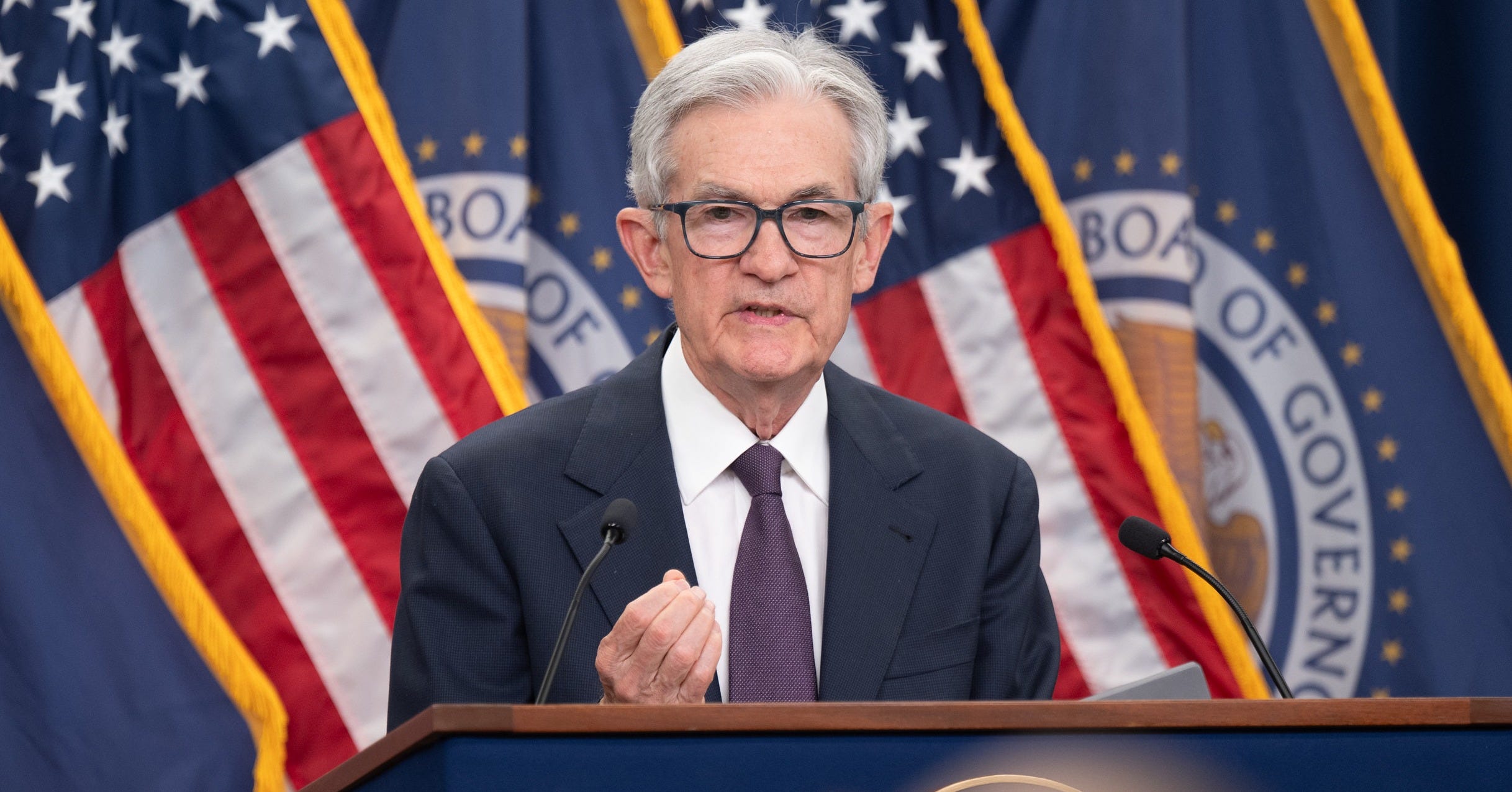
Federal Reserve Chair Jerome Powell sounded a new warning on the U.S. housing crisis, saying recent interest rate cuts won’t be enough to resolve deep affordability issues now facing buyers. His comments, delivered at a post-meeting press conference and cited by multiple outlets, signal growing concern that monetary policy alone can’t fix structural problems in the housing market.
Powell raised the stakes by noting that even after three consecutive rate cuts by the Federal Open Market Committee, the housing sector remains constrained by low inventory and a lack of new construction, forces he said the Fed “does not really have the tools” to address on its own.
Confirmed facts show the Federal Reserve trimmed its benchmark federal funds rate in December 2025 for the third meeting in a row, yet mortgage rates and home prices remain high compared with historical norms, limiting the impact on affordability. Powell emphasized that many homeowners are reluctant to sell because they hold ultra-low mortgage rates from the pandemic era, suppressing inventory.
Despite the rate cuts, a new complication is that long-term mortgage rates influenced by financial markets, not just Fed policy haven’t fallen enough to meaningfully improve buying conditions for many prospective homeowners.
Follow The Coffman Chronicle on NewsBreak for daily breaking political coverage.
“Housing is going to be a problem,” Powell said, highlighting the persistent supply challenges. —Jerome Powell, Federal Reserve Chair.
That matters because it suggests the housing affordability crisis could persist even as inflation cools and rates sit closer to neutral, complicating efforts by policymakers and builders to boost supply and lower costs.
Analysts say meaningful progress will likely require legislative and local zoning changes, increased housing starts, and targeted programs to increase inventory, efforts that go beyond what the Fed can do with rate policy alone.
What happens next will depend on upcoming economic data, further Fed decisions on interest rates and whether Congress or state governments pursue housing supply reforms.
Follow The Coffman Chronicle on NewsBreak for daily breaking political coverage.