


The Federal Trade Commission’s (FTC) recent findings offer a damning indictment of the unchecked power held by Big Pharma, Big Tech, and other dominant industries. From pharmacy benefit managers (PBMs) inflating drug prices to monopolistic practices by tech giants like Amazon and Microsoft, the reports expose how corporate greed exacerbates the economic divide (FTC PBM Report, FTC Amazon Lawsuit, FTC Microsoft Probe). For a brief moment, these findings shine a light on systemic inequities and offer a roadmap for reform.
However, with the incoming Trump administration, this moment of corporate accountability will almost certainly fade. Trump’s track record of pro-business policies, combined with his appointment of industry-friendly FTC Chair Andrew Ferguson, points to an administration prioritizing the interests of the wealthy and powerful over the everyday American.
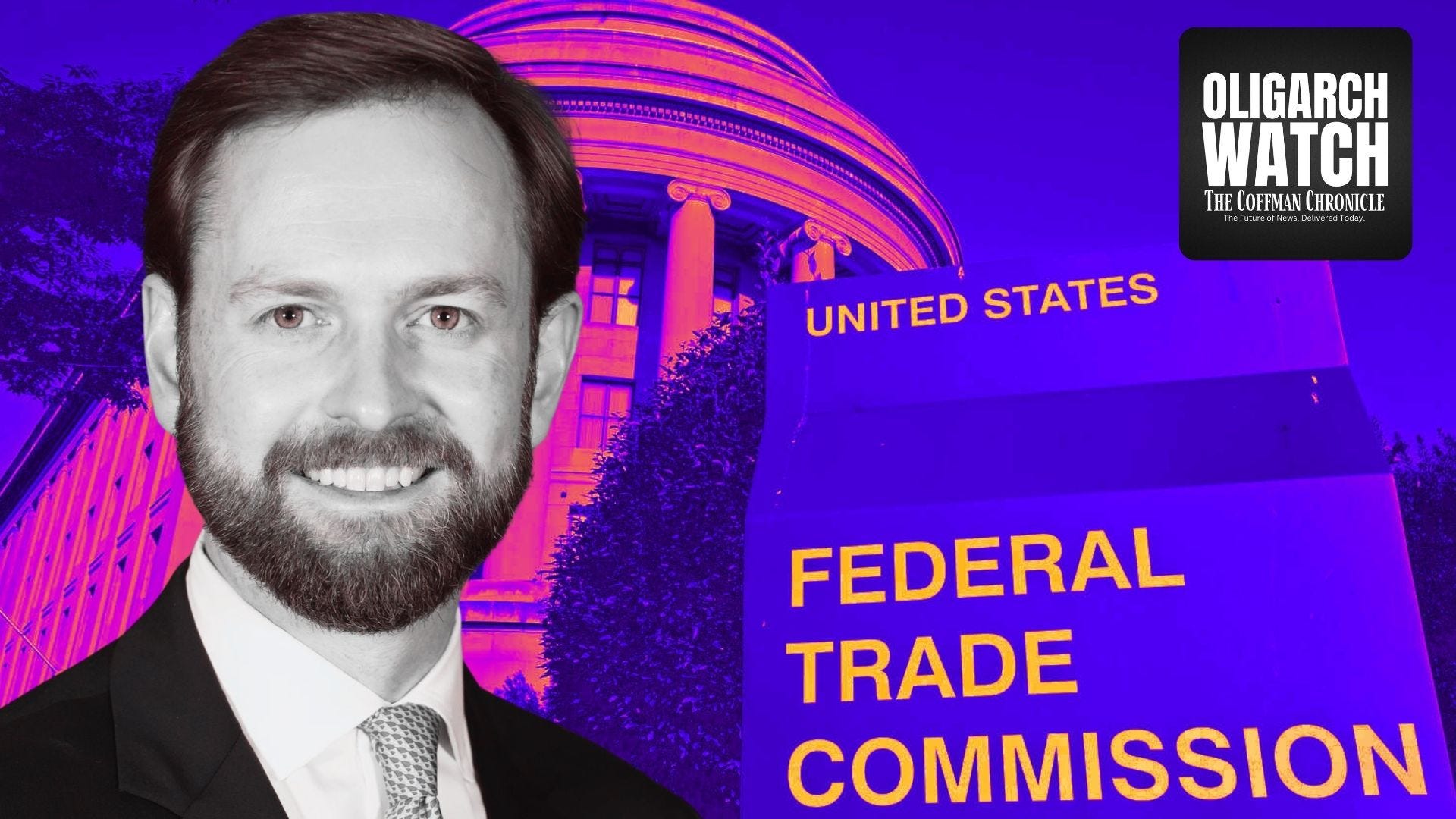
The FTC’s Findings: Corporate Power Gone Unchecked
The FTC’s investigations revealed practices that have harmed consumers and widened the wealth divide:
Big Pharma’s PBMs: These middlemen imposed price markups of over 1,000% on life-saving drugs, exploiting their control over the pharmaceutical supply chain (FTC PBM Report).
Big Tech’s Monopolies: Amazon faces antitrust scrutiny for leveraging its dominance to suppress competitors, while Microsoft is under investigation for anticompetitive practices in cloud computing (FTC Amazon Lawsuit, FTC Microsoft Probe).
Consumer Exploitation: Deceptive practices, from hidden housing fees to false product labeling, show how corporations exploit consumer trust for profit (FTC Housing Settlement, FTC Pyrex Mislabeling Settlement).
These findings underscore how consolidated corporate power exacerbates inequality and reduces opportunities for smaller players to compete.
We know what is happening. We know who is exploiting the people. So, who is going to do anything about it? It won’t be Trump.
Oligarch Watch at The Coffman Chronicle is powered by YOU—no billionaires, no media moguls, no corporate puppeteers. We’re here to expose their BS, break down their schemes, and shine a light on the growing billionaire takeover.
For just $8 a month or $80 a year, you can fuel the fight and help us stay sharp, loud, and unfiltered.
Not ready to subscribe? No problem—chaos thrives on company, and you’re always welcome here. But if you’re ready to stand up to the billionaire class and stay informed, hit that subscribe button now!
Trump’s Pro-Business Track Record
Trump’s first administration demonstrated a consistent pattern of favoring corporations and the wealthy:
Tax Cuts for the Rich: The 2017 Tax Cuts and Jobs Act disproportionately benefited the top 1% and corporations, widening income inequality. While sold as a boon for all Americans, the promised wage increases and economic growth largely failed to materialize for middle- and working-class families (Brookings Analysis).
Deregulation: Over 100 federal rules were rolled back, weakening protections for workers, consumers, and the environment while bolstering corporate profits (New York Times Rollback Tracker).
Weak Antitrust Enforcement: Despite bipartisan concern about tech monopolies, Trump’s administration took little action to address their growing dominance (The Atlantic Analysis).
These policies entrenched the wealth and power of the elite while doing little to address the struggles of everyday Americans.
But we have governmental oversight to address this, right? That’s what the FTC does. Isn’t it? Well, that depends on who is in charge.
Andrew Ferguson: A Pro-Business FTC Chair
Trump’s choice for FTC Chair, Andrew Ferguson, signals a continuation of this pro-business agenda. Ferguson has criticized outgoing Chair Lina Khan’s aggressive antitrust efforts and is expected to take a more restrained approach (The Verge on Ferguson’s Nomination).
Antitrust Action: Ferguson is unlikely to pursue significant cases against Big Tech despite evidence of monopolistic practices.
PBM Reform: There is little indication that the administration will act on the FTC’s findings to address drug price manipulation.
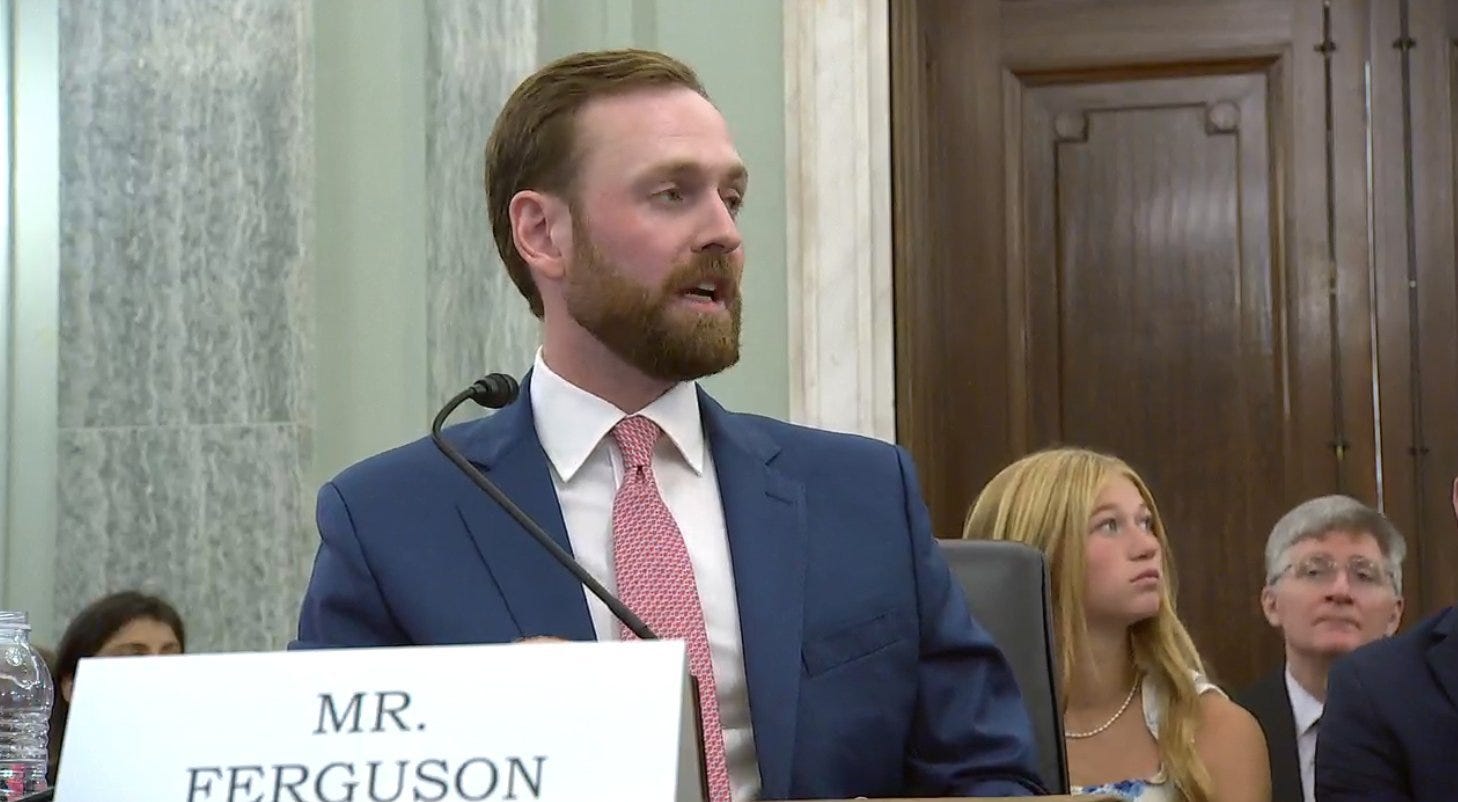
Under Ferguson’s leadership, the FTC may abandon systemic reforms in favor of narrower enforcement actions that preserve the status quo.
And the status quo? It doesn’t care about you.
A Growing Divide
The failure to address the FTC’s findings has far-reaching consequences. Big Pharma’s unchecked practices will keep drug prices high, harming the sick and vulnerable. Big Tech’s dominance will stifle innovation, limit competition, and erode consumer choice. Across industries, corporate power will continue to grow at the expense of fairness and opportunity.
For everyday Americans, these outcomes deepen the wealth and power divide, reinforcing a system where the few thrive while the many struggle to get by.
The Window for Reform Has Closed
The FTC’s findings offer a rare glimpse into the structural forces driving inequality. However, with a pro-business Trump administration poised to take office, this moment of accountability has slipped away. Unless the administration changes course—seemingly unlikely considering recent high-profile media outings demonstrating a united front of Trump and his billionaire funders—it risks entrenching a system that favors the wealthy and powerful over the needs of the majority, leaving the people who need help the most further behind. While big pharma and tech executives, owners, and shareholders continue to pad their wallets, the rest of us are merely consumers for their products— a commodity they only want to fleece.
CAPITALISM - The acquisition of all of the resources in a society by a few to the detriment of everyone else in that society