


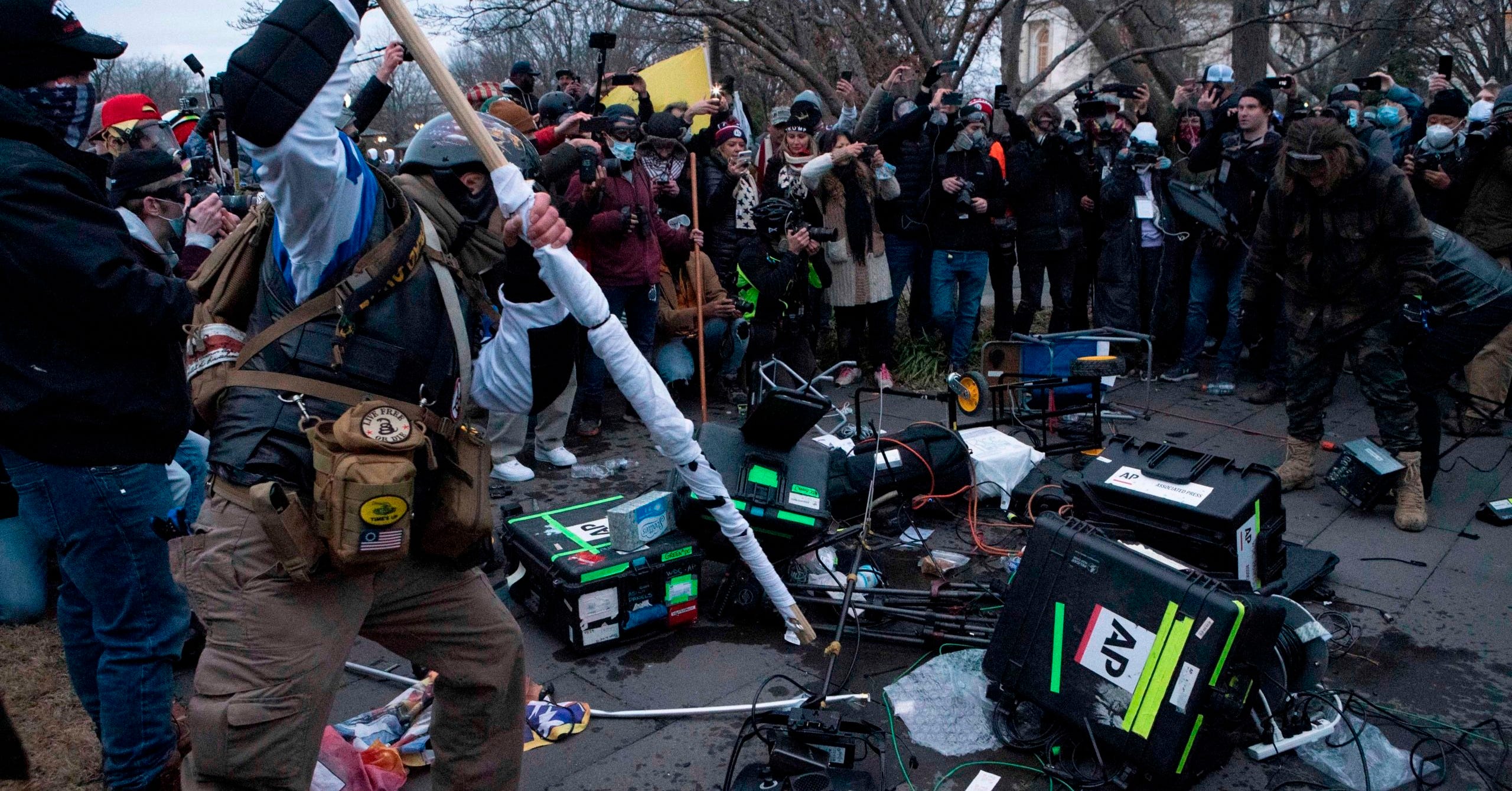
A new global report showing press freedom at its lowest level in 25 years is driving renewed concern among journalists, analysts, and media observers about how weakening news systems could increase misinformation during elections.
The World Press Freedom Index, released by Reporters Without Borders (RSF), evaluates conditions in 180 countries and identifies a sustained decline driven by political pressure, legal restrictions, and economic instability. The report has been widely circulated across major media outlets and discussed across digital platforms, where attention has focused on the broader implications for information integrity.
Journalists and media analysts have pointed to the connection between declining press freedom and the growing risk of misinformation, particularly during election cycles. Independent reporting plays a central role in verifying claims, scrutinizing candidates, and providing voters with reliable information. When those systems weaken, gaps in coverage and verification can emerge.
Subscribe free for daily political analysis they won’t broadcast. Join 110K+ readers →
Those gaps can allow misleading or unverified narratives to spread more easily, especially in highly polarized environments where information is already contested. The discussion surrounding the RSF report has increasingly centered on how control over media, whether through direct government action or economic pressure, can shape what information reaches the public.
Economic factors remain a key part of the issue. As news organizations face declining revenue and consolidation, their ability to maintain investigative reporting and local coverage can be reduced. That creates fewer trusted sources for voters to rely on.
For U.S. audiences, the report underscores a broader structural concern. While constitutional protections for press freedom remain in place, the same pressures identified globally—economic strain, declining trust, and fragmented media ecosystems—are also part of ongoing debates about the reliability of information in American elections.
The findings highlight a growing intersection between press freedom and election integrity, where the strength of democratic systems depends not just on voting processes, but on the quality and independence of the information voters receive.