


As Joe Biden’s presidency nears its conclusion, he finds himself in the ranks of modern single-term presidents, leaving behind a legacy shaped by significant legislative achievements and pressing challenges. From managing a global pandemic and revitalizing U.S. leadership abroad to confronting domestic crises like inflation, climate change, and immigration, Biden’s tenure reflects progress and persistent obstacles. While his administration made strides in expanding healthcare, addressing climate change, and rebuilding international alliances, difficulties in curbing inflation, securing the border, and navigating political polarization diminished public approval.
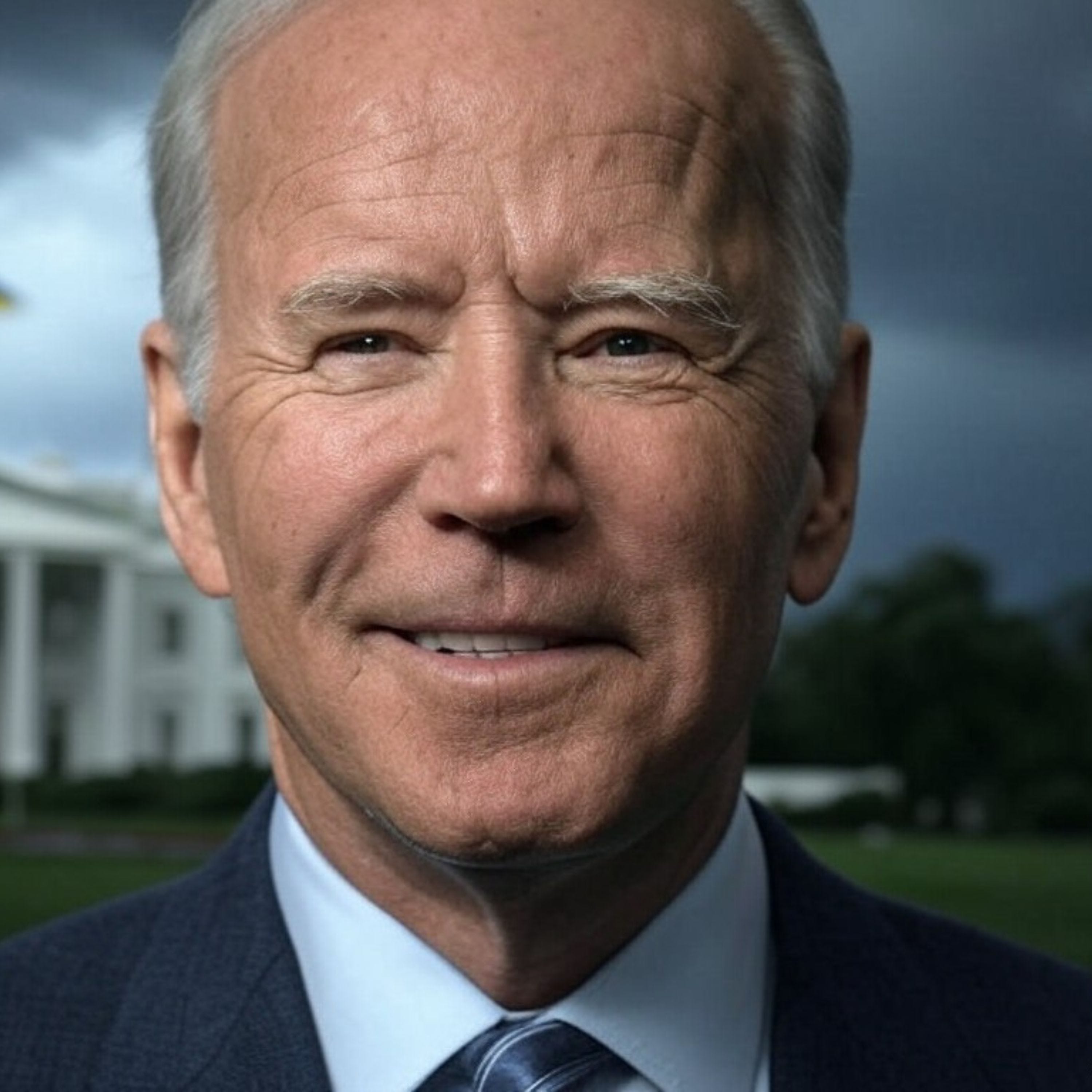
Biden’s presidency mirrors American politics' complex and divided state, where bold ambitions often collided with fierce partisan resistance. As he prepares to leave office with an average job approval rating of 42%, his legacy will be measured by legislative milestones and the enduring challenges that defined his term.
Key Achievements
1. Managing the COVID Crisis
Biden's presidency began amid a surge in COVID-19 cases, and his administration implemented a vaccination campaign that contrasted sharply with the previous administration’s often chaotic response. Public sentiment leaned positively, with about 47.8% of Americans approving Biden's COVID strategy, though approval varied significantly along party lines.
Prior Administration's Handling of COVID-19
When Donald Trump left office in January 2021, the United States grappled with the second wave of COVID-19, which peaked in late 2020 and early 2021. His administration faced considerable criticism for its management of the pandemic. Many experts argued that there was a lack of coherent national strategy and a failure to communicate public health guidelines effectively. The testing and supply shortages, slow initial vaccination rollout, and mixed messaging regarding mask-wearing and social distancing contributed to public confusion and diminished trust in governmental health advisories.
Biden's COVID Response
As Biden stepped into office, he prioritized a unified and science-driven response to the pandemic. He aimed to restore confidence in health institutions and provide clear and consistent messaging to the public. The administration emphasized a multifaceted strategy of expanding testing, accelerating vaccine distribution, and instituting public health measures such as mask mandates in federal buildings and public transportation.
Under Biden's leadership, the pace of vaccination accelerated significantly. The administration set ambitious targets for vaccine distribution, ultimately surpassing initial goals. The infrastructure established for the distribution allowed millions of Americans to receive vaccinations in less than a year following the availability of the vaccines.
Biden pushed for the American Rescue Plan in March 2021, a $1.9 trillion package to stimulate the economy, support vaccine distribution, and provide direct payments to Americans. This legislation was crucial in bolstering the economy as businesses navigated the ongoing impacts of the pandemic.
2. Support for Ukraine
One of the defining features of Biden’s presidency was his unwavering commitment to support Ukraine in its fight against Russian aggression. Since Russia’s full-scale invasion in February 2022, the Biden administration has taken significant steps to bolster Ukraine’s defensive capabilities and reinforce its sovereignty, making the situation in Ukraine not only a foreign policy priority but also a symbol of the U.S.’s commitment to democracy and international order.
Early and Sustained Military Aid
The Biden administration initiated aid to Ukraine promptly after the invasion, with a robust package that included military equipment, training, and intelligence support. This early response set the tone for a proactive U.S. stance, contrasting starkly with past military engagements where delays and hesitations often plagued decision-making processes. By March 2022, just a month after the invasion, the administration had already approved over $13 billion in military assistance to Ukraine, which included advanced weaponry, anti-tank missiles, drones, and other critical supplies essential for Ukraine’s defense. Over the course of Biden’s presidency, this aid only expanded.
Humanitarian Assistance
In addition to military aid, Biden emphasized the importance of humanitarian assistance. Recognizing the severe side effects of the war on civilians, the administration coordinated efforts to provide financial resources, medical assistance, food aid, and shelter for millions of Ukrainians affected by the conflict. By mid-2023, the U.S. had contributed billions of dollars in humanitarian aid and refugee support, showcasing a commitment to alleviating the suffering caused by the war.
Diplomatic Leadership and Coalition Building
Biden's approach has also involved significant diplomatic efforts to rally international support for Ukraine. His administration worked to build a coalition of NATO allies and partner countries, urging them to provide aid and maintain sanctions against Russia. Biden’s leadership was instrumental during high-stakes diplomatic engagements, such as the NATO Summit in Europe, where he successfully advocated for increased military support and coordinated sanctions to isolate the Kremlin.
3. Affordable Healthcare
Increased access to affordable healthcare has been another hallmark of Biden’s presidency. This commitment is underscored by the administration's efforts to build upon and strengthen the foundation laid by the Affordable Care Act (ACA), originally enacted under President Obama.
Enrollment Surge Under the Biden Administration
The Biden administration witnessed a historic increase in healthcare enrollment during the 2025 open enrollment period. Nearly 25 million Americans signed up for health insurance through the ACA marketplaces—a dramatic rise compared to the 12 million enrolled during the last year of the Trump administration. This surge reflects an expansion of eligibility and a concerted effort to promote awareness and accessibility of healthcare options available to citizens.
Enhancements from the American Rescue Plan
A key driver of this expansion was the American Rescue Plan, enacted in March 2021, which significantly enhanced the existing healthcare framework. Among its provisions, the plan increased tax credits for individuals purchasing insurance through the ACA marketplaces. This move effectively lowered monthly premiums, making healthcare more affordable for many families. The plan also capped insurance premiums based on income levels, ensuring that no American would have to pay more than a certain percentage of their income toward healthcare premiums. By making premiums more affordable and expanding eligibility, the Biden administration lowered uninsured rates to an all-time low of about 8%.
4. Economic Improvements
The job creation performance under Biden's administration has been a landmark, with approximately 2.23 million jobs created in the final year alone. Key initiatives include the Bipartisan Infrastructure Deal, which poured significant investments into improving national infrastructure, and the Chips and Science Act, which focuses on semiconductor manufacturing.
CHIPS and Science Act
The CHIPS and Science Act represents a pivotal moment in addressing a critical shortfall in modern American manufacturing, particularly in the semiconductor sector. Passed in 2022, this legislation was initiated in response to the supply chain disruptions exposed by the COVID-19 pandemic and the growing competition from China. The Act allocates over $52 billion in government subsidies to encourage domestic production of semiconductor chips, vital for various technologies such as smartphones, computers, automobiles, and advanced military hardware.
Inflation Reduction Act
The Inflation Reduction Act (IRA) stands as one of the cornerstone legislative achievements of the Biden administration, aiming to tackle inflation, climate change, and healthcare costs. With a projected $369 billion earmarked for clean energy investments, the IRA represents one of U.S. history's most substantial federal commitments to combat climate change.
Furthermore, the IRA aims to increase prescription drug prices, allowing Medicare to negotiate costs for specific medications, which is expected to significantly relieve financial burdens on American families. Analysts suggest this aspect of the IRA could have lasting impacts on healthcare affordability, boosting public health while contributing to long-term fiscal responsibility.
Challenges and Shortcomings
1. Inflation
Despite strides in job growth, Biden faced harsh criticism for persistently high inflation, which averaged 5.4% during his presidency. A poll conducted in May 2024 showed that 41% of Americans identified inflation as their primary financial concern, diminishing public confidence in his economic management.
The Economy Biden Inherited
When Biden took office in January 2021, the U.S. economy was grappling with the aftermath of the COVID-19 pandemic. The previous administration had overseen the passage of large-scale relief packages, which helped stave off an economic depression but also contributed to inflationary pressures. Supply chains, mainly those dependent on international production and shipping, were already under strain. Labor shortages in key sectors—resulting from early retirements, COVID-related health concerns, and lifestyle shifts—further exacerbated inflation.
The Biden administration inherited an unemployment rate of 6.3% and a national debt swollen by emergency spending under both Trump and Biden himself, as the latter's American Rescue Plan injected an additional $1.9 trillion into the economy. While this plan provided crucial relief to households and small businesses, critics argued that it overheated the economy, fueling inflation.
2. Withdrawal from Afghanistan
The chaotic U.S. withdrawal from Afghanistan in August 2021, which many Americans deemed poorly handled, has marred Biden's reputation. While most supported leaving Afghanistan, 69% felt Biden mishandled the evacuation process.
The U.S. withdrawal from Afghanistan, which culminated in August 2021 during President Joe Biden's administration, has often been framed as a significant failure of his presidency. However, to fully understand the context surrounding the evacuation, it is essential to recognize that the groundwork for this withdrawal was laid during the previous administration under President Donald Trump.
In February 2020, the Trump administration negotiated the Doha Agreement with the Taliban, which outlined a timeline for U.S. troop withdrawal from Afghanistan. This agreement stipulated that U.S. forces would exit the country by May 2021, contingent on the Taliban's commitment to prevent terrorist groups from operating in Afghanistan and to engage in peace negotiations with the Afghan government. Although the intent behind the deal was to end America's longest war, it was widely criticized for sidelining the Afghan government and potentially legitimizing the Taliban.
3. Immigration Issues
Immigration remains a contentious issue for the Biden administration. Despite attempts to push through significant legislative reforms, progress has been stymied by bipartisan disagreements, leading to declines in Biden's approval on immigration.
Immigration policy presented a significant and persistent challenge for the Biden administration. Despite initial promises to reverse many of the controversial immigration policies enacted under the Trump administration, progress on comprehensive reform proved elusive.
Reversal of Trump-Era Policies and New Initiatives
Early in his presidency, Biden reversed several high-profile Trump-era immigration policies, such as the "Remain in Mexico" policy, which required asylum seekers to stay in Mexico while their cases were processed in the U.S. He also ended the national emergency declaration that had diverted military funds toward border wall construction. Additionally, Biden sought to introduce more humane treatment of migrants and expand pathways for legal immigration through measures like the U.S. Citizenship Act of 2021.
However, these efforts ran into fierce opposition from Republicans and faced legal challenges from conservative states, which argued that loosening immigration restrictions contributed to an increase in illegal crossings and border insecurity. By mid-2023, there were record numbers of migrants at the southern border, sparking a political firestorm. The perception that the administration lacked control over border security became a focal point of criticism, particularly from right-wing media and politicians.
Humanitarian Concerns and Migrant Surges
Throughout Biden’s term, his administration struggled to balance border enforcement with the need to uphold humanitarian principles. The surge of migrants, including large numbers of families and unaccompanied minors, overwhelmed border facilities and created an ongoing humanitarian crisis.
Efforts to manage the crisis included collaboration with regional governments in Central America to address the "root causes" of migration, such as poverty, violence, and climate change. Vice President Kamala Harris led diplomatic efforts in the region. Still, these initiatives yielded limited short-term results, and critics argued that they were insufficient given the scale of the problem.
Legislative Gridlock and Future Uncertainty
Biden’s broader immigration reform agenda, including a pathway to citizenship for millions of undocumented immigrants, faced insurmountable obstacles in Congress. The U.S. Citizenship Act of 2021 stalled amid fierce partisan gridlock, with Republicans unified in opposition and moderate Democrats hesitant to support sweeping reforms without stronger border enforcement measures.
The lack of significant legislative progress on immigration left millions of undocumented immigrants in legal limbo, and the continued reliance on executive actions created an uncertain future for key programs like Deferred Action for Childhood Arrivals (DACA). While Biden vowed to protect DACA recipients, no permanent solution was achieved during his tenure.
4. Response to Israel and Palestinian Discontent
Another major challenge that shaped Biden’s presidency was the administration’s response to the escalating conflict in Israel and Palestine. The long-standing U.S. policy of unconditional support for Israel faced increasing scrutiny as reports of civilian casualties and accusations of genocide against Palestinians mounted during renewed hostilities.
Balancing Israel Support and Growing Dissent
Biden maintained the traditional U.S. stance of backing Israel’s right to defend itself, which resonated with many lawmakers and a significant portion of the American public. However, progressive factions within the Democratic Party, along with human rights organizations, criticized the administration for what they saw as a failure to hold Israel accountable for actions leading to civilian casualties in Gaza and the West Bank.
Mixed Results: Crime and Climate Change
Crime: Public Safety vs. Reform
Crime and public safety became a politically charged issue during Biden’s presidency, with concerns about rising crime rates in urban areas clashing with demands for policing reform. Throughout Biden’s term, violent crime, particularly homicides, increased in several major cities, sparking criticism from both sides of the political spectrum.
Republicans capitalized on these concerns, framing the administration and Democrats broadly as "soft on crime" due to progressive calls for reallocating police funding. This narrative created challenges for Biden, who had historically been a proponent of law-and-order policies but also needed to balance demands for criminal justice reform, particularly after the murder of George Floyd in 2020.
The Biden administration responded by supporting local law enforcement through increased federal funding for police departments, a marked contrast to the progressive "defund the police" movement. Initiatives such as the American Rescue Plan, which allocated significant resources to public safety, aimed to bolster police forces while funding community violence intervention programs. Despite these efforts, public perception regarding safety remained mixed, with polls indicating that crime remained a top concern for voters throughout Biden’s presidency.
On the reform front, Biden backed measures aimed at curbing police violence and improving accountability, such as the George Floyd Justice in Policing Act. However, it ultimately stalled in a divided Congress. While Biden’s efforts to address crime and public safety demonstrated a pragmatic approach, the lack of major legislative reforms left progressive advocates dissatisfied.
Climate Change: Historic Investments but Lingering Criticism
Climate change was a key focus of the Biden administration, with significant achievements in advancing clean energy and reducing emissions, though not without limitations and criticisms. Biden entered office with an ambitious climate agenda, seeking to position the U.S. as a global leader in combating climate change after the Trump administration’s rollback of environmental regulations and withdrawal from international climate agreements.
The centerpiece of Biden’s climate strategy was the passage of the Inflation Reduction Act (IRA) in 2022 —the most significant federal investment in climate action in U.S. history. The IRA aimed to cut U.S. greenhouse gas emissions by 42% by 2030, expand renewable energy production, and create jobs in the green energy sector. Tax credits for electric vehicles, funding for solar and wind projects, and support for energy-efficient home upgrades were key components of the law.
However, critics pointed out that the legislation fell short of Biden’s original goals, which included more aggressive measures like a clean energy standard and broader investments in public transit. Environmental groups praised the IRA as a historic step forward but expressed concern over its compromises, including continued support for fossil fuel projects and oil drilling permits.
Internationally, Biden rejoined the Paris Agreement and pledged to cut emissions while increasing funding for climate resilience in vulnerable nations. Despite these efforts, global emissions remained stubbornly high, and the U.S. faced criticism for not doing enough to pressure major polluters like China and India.
Meanwhile, climate activists were disappointed by Biden’s approval of projects such as the Willow oil drilling project in Alaska, which they argued undermined the administration’s broader climate commitments.
Conclusion
Joe Biden’s presidency leaves a legacy marked by notable accomplishments and significant challenges. His administration made essential strides in key areas, but these achievements were tempered by persistent issues that eroded public confidence and underscored the limits of his legislative successes.
Biden’s presidency reflects a period of cautious progress and persistent political division. While his efforts helped stabilize the nation and advance key priorities, lingering economic and social issues prevented the transformative legacy he had hoped to achieve. Ultimately, how history will remember Joe Biden may depend more on the future than the past. Regardless of how we may each personally feel about his legacy, the undeniable truth is that these have been difficult, divisive times that would challenge the effort of any leader.
This is a very well researched and thought out article. It seems no matter he accomplished, he was criticized from both sides.
Two things: illegal crossing at the end of his term became less than when Trump was in office and violent crime has also dramatically decreased.
Most of his achievements were made during the first 2 years prior to the Republicans taking the house. A constant barrage of criticism coming from the right, with their near monopoly on social media, and the Democrats failings in messaging brought about Trump 2.0, which threatens to undo a good portion of Biden's accomplishment. The shortcomings were ultimately the Democrats undoing.