


A contentious item known as Section 453 that critics said would have given pesticide manufacturers broad legal protections was removed from a key House spending bill, and lawmakers say public pushback helped make it happen.
The fight over Section 453 ignited intense backlash online and from environmental and public-health advocacy groups who argued the provision would shield pesticide companies from liability and hinder updated health warnings from the EPA.
According to reporting from the DTN Ag Policy Blog, the Interior, Environment and Related Agencies appropriations bill originally included Section 453, which would have blocked the EPA, states and local governments from issuing updated public warnings on pesticide products and granted legal immunity to manufacturers.
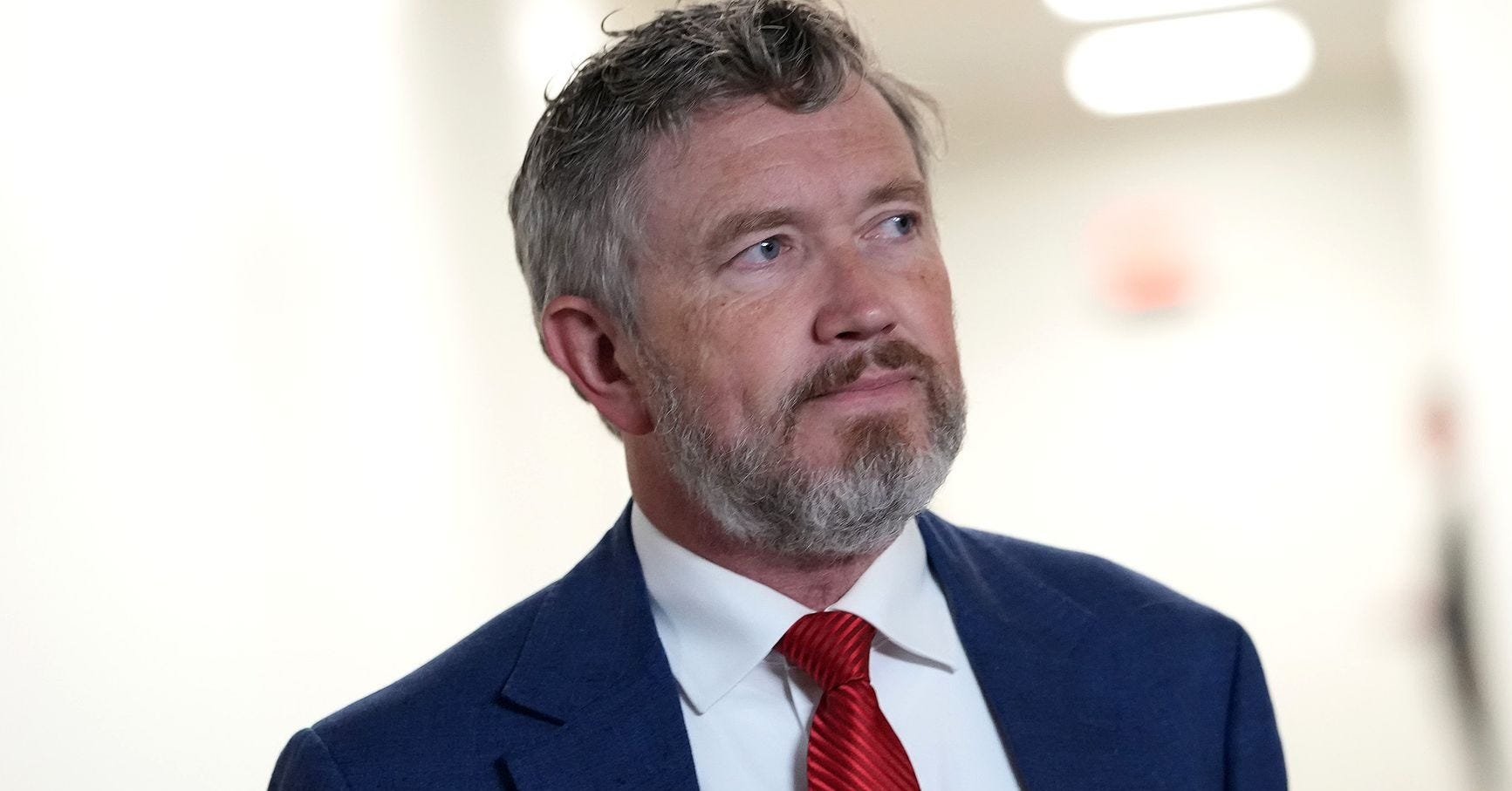
Late Monday on social media platform X, Rep. Thomas Massie (R-KY) confirmed that public feedback led to the removal of Section 453 from the consolidated bill.
“SECTION 453 HAS BEEN REMOVED due to public feedback,” Massie wrote in his post, underscoring how activists and constituents influenced the change.
The clawback matters because opponents feared that without the ability to update warnings or pursue legal claims, communities could be left without recourse even when pesticides were found to pose health risks.
Follow The Coffman Chronicle on NewsBreak for daily breaking political coverage.
Critics of the original language said it could affect tens of thousands of chemical products linked to cancer and neurological and reproductive harm, concerns Mitigation advocates raised throughout the fight.
Supporters of the removal say this outcome preserves state and local authority to regulate pesticide safety and maintain community protections.
As Congress continues debating multiple funding bills this month, activists warn similar riders could appear elsewhere, urging vigilance ahead. Final negotiations between the House and Senate on appropriations are expected in the coming weeks.
What we can expect…
Lawmakers and advocacy groups plan to monitor and influence the next steps in the broader appropriations process.
Follow The Coffman Chronicle on NewsBreak for daily breaking political coverage.