


DHS is drawing renewed backlash after reports it sent legal demands to major tech platforms seeking identifying information tied to anonymous accounts critical of ICE. The dispute matters now because the requests are described as “hundreds,” suggesting a scale-up that could reach far beyond a handful of cases.
The flashpoint is how the government is doing it: administrative subpoenas that don’t follow the same upfront judge-approved path as a warrant. Privacy and free-speech advocates argue that targeting anonymous political speech risks chilling lawful criticism.
TechCrunch and The Verge, citing a New York Times investigation, reported DHS subpoenas went to Google, Meta, Reddit, and Discord seeking names, email addresses, phone numbers, and other identifying data for accounts that “track or criticize” ICE, including some that posted about ICE activity.
Related: U.S. Threatens New International Criminal Court Penalties Unless Trump Prosecution Dropped
Complicating the fight, the same reports say some companies complied with at least some requests, even as civil-liberties groups urge firms to resist or narrow broad demands.
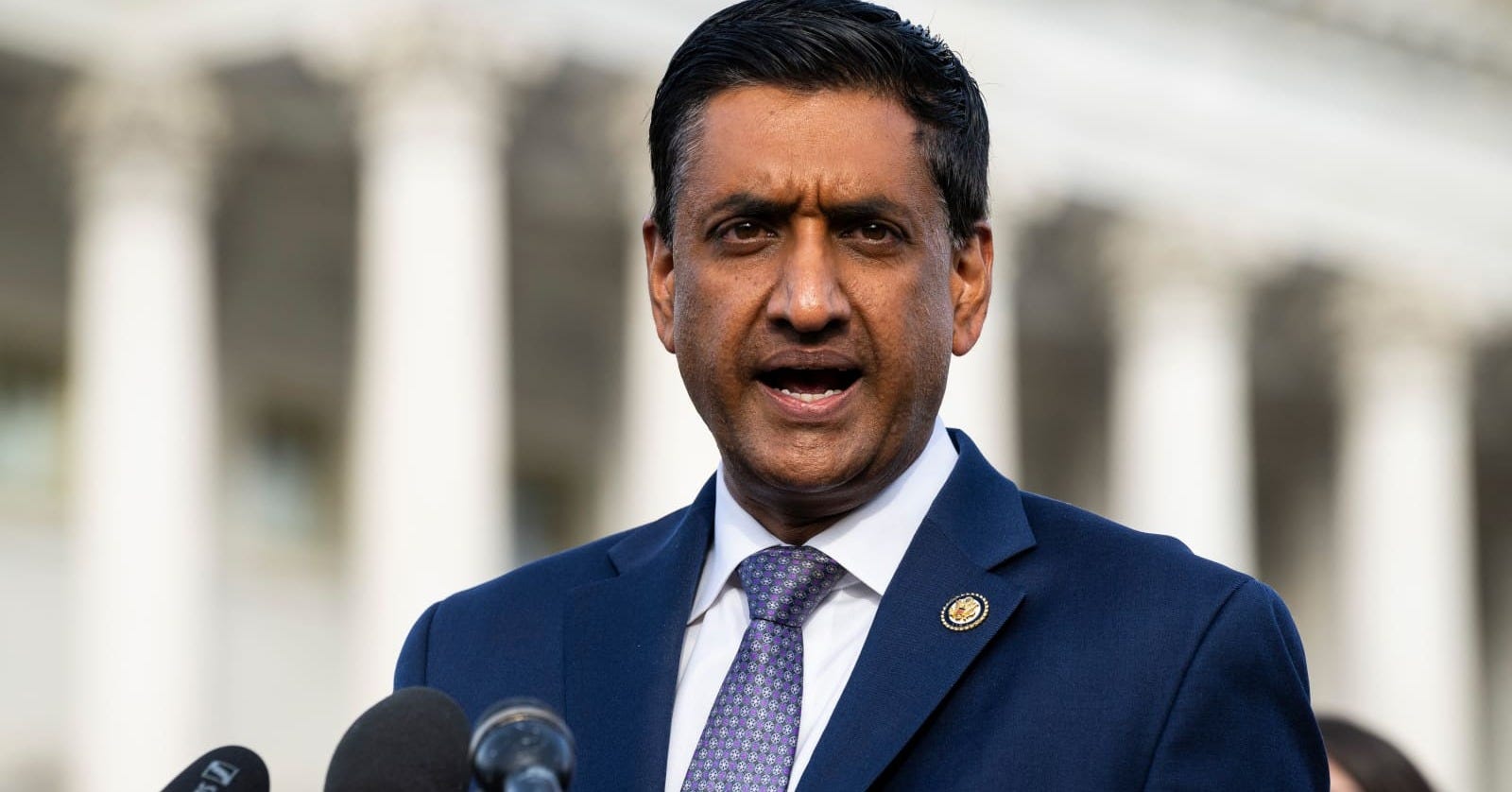
“Tech must not bend the knee to a surveillance state,” Rep. Ro Khanna wrote on X.
The EFF has published an open letter calling on platforms to protect users, arguing these subpoenas can be used to pressure or retaliate against critics, and pointing to earlier incidents and ongoing legal pushback.
Related: U.S. Plunges to Record Low 29th in Global Corruption Rankings — New Report
The ACLU has also warned that administrative subpoenas can be issued quietly to third parties and may only come to light if a company notifies the target, a dynamic critics say makes oversight harder.
What happens next may hinge on whether platforms challenge future subpoenas in court, and whether lawmakers escalate oversight demands as more details emerge about how often DHS used the tool and what data was produced.
For now, the fight is less about one post than who stays anonymous when criticizing the government online.