


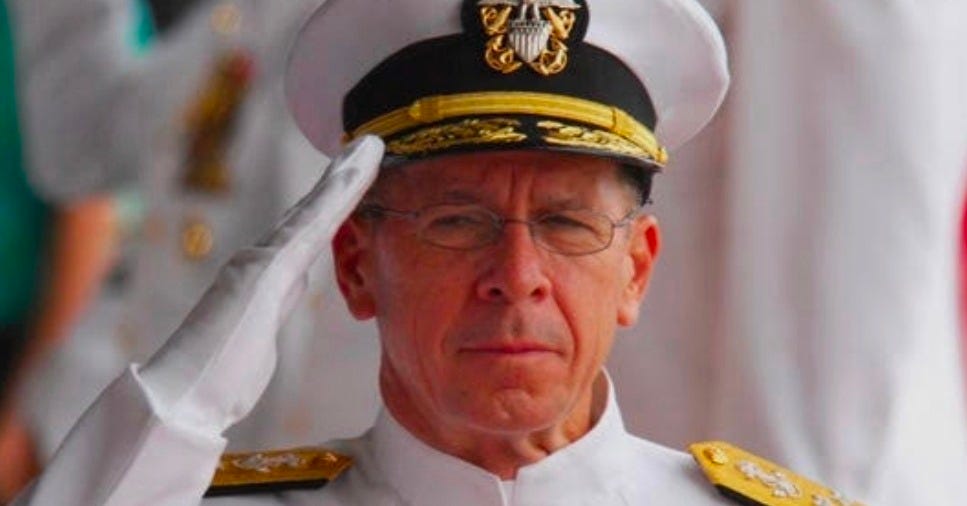
Retired Admiral Mike Mullen says U.S. political polarization is now threatening the military’s ability to stay apolitical, and his warning comes at a moment when trust in institutions is fractured.
At an Aspen Institute forum, the former Joint Chiefs chair described the current climate as “challenging” and possibly the most dangerous time for civil-military norms he’s seen, raising stakes for the armed forces’ traditional role.
Mullen, who led America’s Joint Chiefs from 2007–2011, confirmed that deep partisan divisions now extend beyond top leaders and are affecting junior officers, making it harder for the military to avoid political entanglements.
He pointed to recent personnel moves and the use of National Guard units in domestic law-and-order operations as examples that strain long-standing norms that keep the military neutral. However, some critics say the degree of politicization is overblown and rooted in broader cultural conflict rather than institutional breakdown.
“I talked about the military being apolitical a lot … and it’s only gotten harder. We have gotten so much more divided,” Mullen said.
His comments matter because the U.S. military’s apolitical stance underpins civilian control and democratic stability, and any erosion could have lasting consequences for public trust.
Mullen’s warning adds to a pattern of senior defense voices expressing concern over deepening civil-military strains in recent years.
What happens next will depend on whether current and future military leaders can navigate political pressures without undermining the institution’s nonpartisan identity.
In the coming months, further hearings and discussions on civil-military relations are expected.