


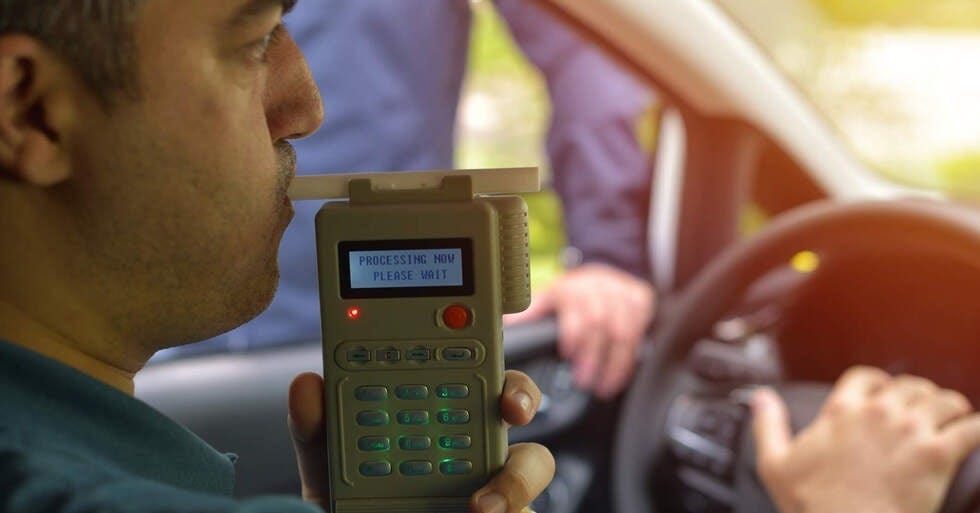
A marijuana breathalyzer is one step closer to reality, and it could change how drivers are tested for cannabis use as legalization expands across the U.S.
But the breakthrough is already raising questions about whether detection will outpace the science of impairment.
Researchers at Virginia Commonwealth University developed a prototype using 3D-printed cartridges and “Fast Blue” dye that reacts with cannabinoids like THC, according to a federally funded study reported by Marijuana Moment. The device can detect small concentrations and distinguish THC from CBD through color analysis.
The goal is a fast, portable roadside test similar to alcohol breathalyzers, addressing what officials call a major gap in DUI enforcement.
Subscribe free for daily political analysis they won’t broadcast. Join 110K+ readers →
The complication is that detecting THC doesn’t prove a driver is impaired.
“A breathalyzer test can have a huge impact on a person’s life, so people should have confidence that the results are accurate,” a NIST researcher said.
Federal studies have found no consistent link between THC levels and actual driving impairment, meaning a positive test may not reflect whether someone is unsafe to drive. Current field sobriety tests also show overlap between impaired and non-impaired drivers, further complicating enforcement.
That disconnect could reshape marijuana use patterns, especially for drivers who may face legal risk even hours or days after consumption.
What happens next will depend on validation studies, legal standards, and whether regulators tie THC detection to impairment thresholds.
For now, the technology is advancing faster than the rules that would govern it.
Download a FREE Pocket Constitution NOW →
