


Members of Congress are signaling a renewed bipartisan effort to repeal Section 230 of the Communications Decency Act, a foundational 1996 law that shields online platforms from liability for user-generated content.
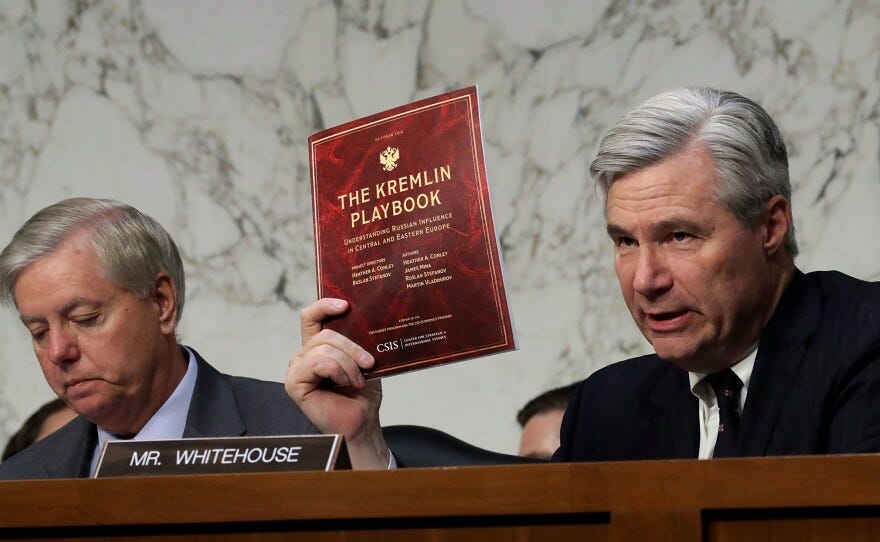
During a Senate Judiciary Committee session on December 12, Senator Sheldon Whitehouse (D-RI) said lawmakers are “finally moving to file a bipartisan Section 230 repeal bill,” arguing that further delay “serves no useful purpose.” The remarks were later shared by Senate Judiciary Democrats along with video from the hearing.
Follow The Coffman Chronicle on NewsBreak for daily breaking political coverage.
Section 230 states that providers of interactive computer services cannot be treated as the publisher or speaker of information posted by users. The law has long been credited with enabling the growth of social media platforms, online forums, and review sites by protecting companies from lawsuits over what users post, while allowing them to moderate content without assuming publisher liability.
Senator Amy Klobuchar (D-MN) echoed the push for change in a statement the same day, noting that it has been nearly 30 years since Congress passed the law. Klobuchar said technology companies should be held accountable for harms occurring on their platforms and emphasized the need to protect children online.
Criticism of Section 230 has come from both parties, though for different reasons. Many Democrats argue the law allows platforms to avoid responsibility for harmful content, including harassment, misinformation, and child exploitation. Some Republicans, meanwhile, contend that the statute enables platforms to censor political viewpoints and selectively enforce moderation policies.
Congress has considered multiple proposals in recent years to reform or sunset Section 230, including bipartisan bills that would phase out immunity unless a new legal framework is adopted. Those efforts have stalled amid disagreement over how to balance free speech, platform accountability, and the risk of unintended consequences.
Legal experts and free-speech advocates have warned that a full repeal could lead platforms to aggressively remove content to avoid lawsuits, potentially limiting online expression and placing smaller companies at a disadvantage compared to larger technology firms.
As of December 13, the bipartisan repeal legislation referenced by Whitehouse has not yet been formally introduced, and lawmakers have not outlined what would replace the existing law. The debate remains ongoing, with significant implications for the future of online speech and platform regulation.
Follow The Coffman Chronicle on NewsBreak for daily breaking political coverage.