


The U.S. Senate on Wednesday, December 17, passed a roughly $900 billion defense policy bill that not only funds the Pentagon but marks a rare congressional pushback on the Trump administration’s military operations, particularly its controversial strikes on suspected drug boats near Venezuela. The measure now heads to President Donald Trump’s desk, where he is expected to sign it into law.
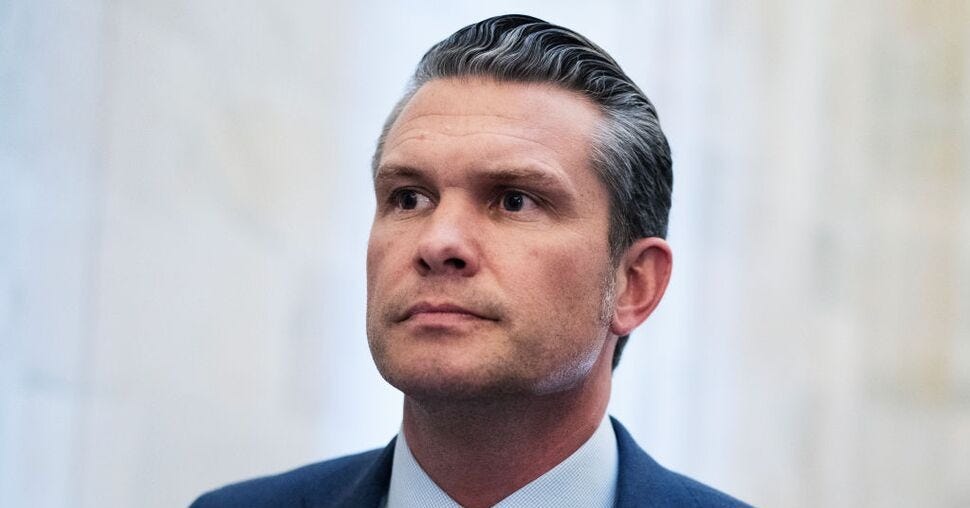
The annual National Defense Authorization Act (NDAA), approved by a 77–20 bipartisan Senate vote, authorizes the Department of Defense’s programs for fiscal year 2026 and includes a roughly 3.8 percent pay raise for service members. But this year’s bill also presses Defense Secretary Pete Hegseth to provide Congress with unedited video footage and authorizing documents of deadly boat strikes in international waters that have raised legal and ethical questions.
Several lawmakers from both parties have criticized the Pentagon for withholding full footage of a Sept. 2 strike near Venezuela that killed survivors of an initial attack, saying transparency is needed to evaluate compliance with international law. Hegseth has declined to publicly release the complete footage, citing national security concerns, though classified briefings were held for key defense committees.
Follow The Coffman Chronicle on NewsBreak for daily breaking political coverage.
To compel compliance, the NDAA language would withhold chunks of Hegseth’s travel budget until he provides the material to Congress. The move represents heightened congressional oversight of military operations at a time of increasing scrutiny over U.S. strategy in the region.
The defense bill also codifies portions of the Trump defense agenda, includes aid for Ukraine and Baltic partners, and limits changes to troop levels in Europe absent consultation with allies.
“Congress sets defense policy and will hold the Pentagon accountable,” said one senior Senate Armed Services Committee member.
Next steps…
The bill’s final passage underscores Congress’s role in shaping military policy and oversight, even as executive branch resistance persists. The president’s signature is expected soon, after which implementation and compliance debates will shift to 2026. Hegseth’s next congressional briefings are anticipated early next year.
Follow The Coffman Chronicle on NewsBreak for daily breaking political coverage.