


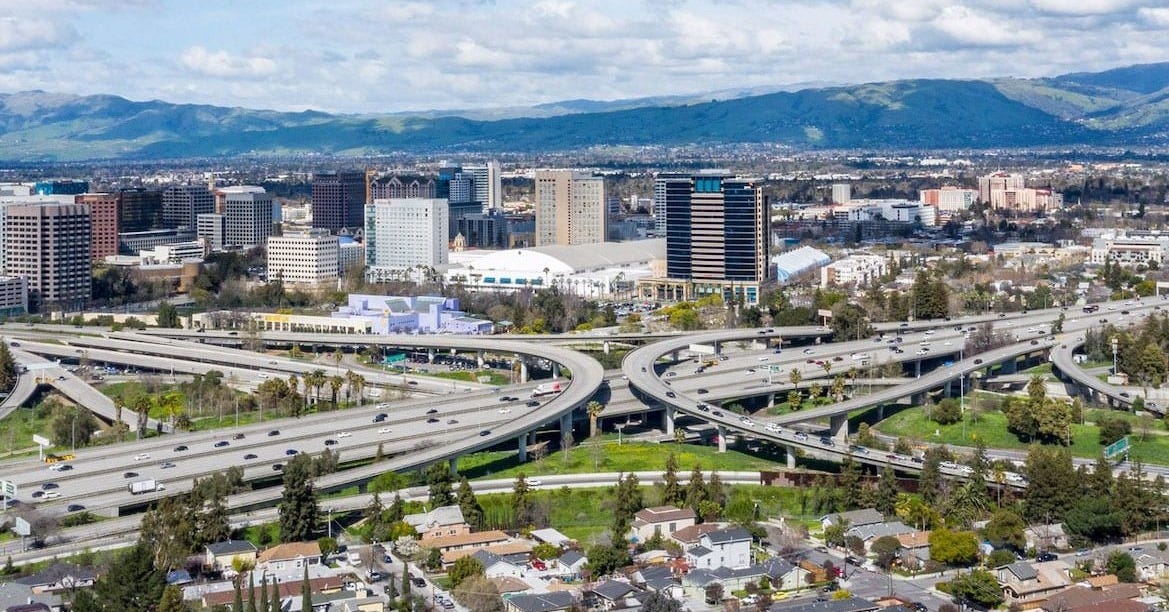
A growing body of research suggests Silicon Valley’s extraordinary wealth creation is no longer just a regional story, it may be a preview of where the American economy is headed.
Recent reporting has highlighted how financial advisers serving wealthy technology executives increasingly view the current moment as different from previous booms. The reason is not simply higher stock prices. It is the convergence of artificial intelligence, private-market ownership, venture capital concentration, and massive equity gains among a relatively small group of investors and founders.
The broader backdrop is a decades-long rise in wealth inequality.
According to research tracking household wealth, the gap between the wealthiest Americans and middle-income households has expanded dramatically since the 1960s. While wealth has increased across income levels, gains at the top have grown far faster.
Subscribe free for daily political analysis they won’t broadcast. Join 110K+ readers →
Silicon Valley offers one of the clearest examples. A recent regional study found that nine households controlled roughly 15% of local wealth while more than 100,000 households held little or no assets.
The divide is increasingly tied to ownership.
Workers primarily earn income through wages. Wealthier households often derive a large share of their gains from appreciating assets such as stocks, private-company equity, real estate, and business ownership.
That distinction matters because asset values have risen dramatically during the technology and AI boom.
Supporters argue this reflects innovation creating new value and economic growth. Critics contend the gains are becoming concentrated among those who already own the most productive assets.
AI investment is accelerating, private-company valuations remain elevated, and housing affordability continues to challenge many Americans. The resulting gap between asset ownership and wage growth may become one of the defining economic and political issues of the coming decade.
Subscribe free for daily political analysis they won’t broadcast. Join 110K+ readers →