


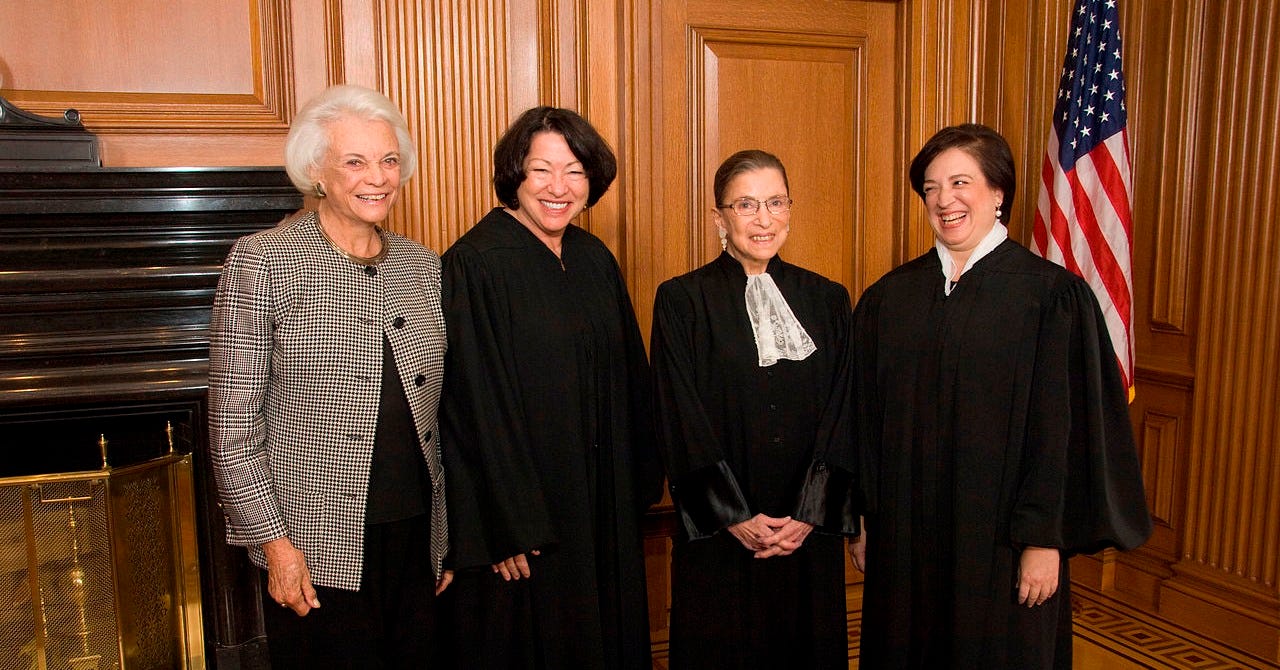
In a high-stakes hearing on December 9, 2025, the Supreme Court considered whether to strike down federal limits on party-coordinated spending — caps that restrict how much a political party can spend directly in support of a candidate. The case, NRSC v. FEC, was brought by Republican campaign committees alongside then-Senator JD Vance.
At the heart of the dispute is the Federal Election Campaign Act of 1971, which treats spending by parties in direct coordination with candidates differently from independent expenditures. Independent expenditures such as ads or fundraising by outside groups unaffiliated with campaigns are uncapped. But coordinated spending has long been limited to avoid large donors circumventing individual contribution caps.
During arguments, liberal Justice Sonia Sotomayor zeroed in on real-world risks. She asked whether a “major donor to the current president” receiving a “very lucrative job immediately upon election” could count as a quid pro quo, an implicit reference to Elon Musk. Her question underscored concern among some justices that removing spending caps would dismantle safeguards against pay-to-play politics.
Follow The Coffman Chronicle on NewsBreak for daily breaking political coverage.
Proponents of striking the caps, including the challengers and the prior administration’s legal team, argued that party-candidate coordination is protected by the First Amendment’s free-speech and association rights, especially given the rise of super-PACs after prior rulings such as Citizens United v. FEC and McCutcheon v. FEC.
Opponents, including the major Democratic party committees defending the law, warned that lifting the limits would give wealthy donors outsized influence and erode constraints on campaign money, making wealthy-backed party spending virtually indistinguishable from direct donations to candidates.
As arguments concluded, the justices offered no clear indication of which way they will rule. Conservative members appeared more receptive to overturning the limits; liberal members raised concerns about donor influence and corruption. A decision from the Court is expected before its term ends in June 2026. What happens could dramatically reshape U.S. federal campaign financing ahead of the 2026 midterms.
Follow The Coffman Chronicle on NewsBreak for daily breaking political coverage.