


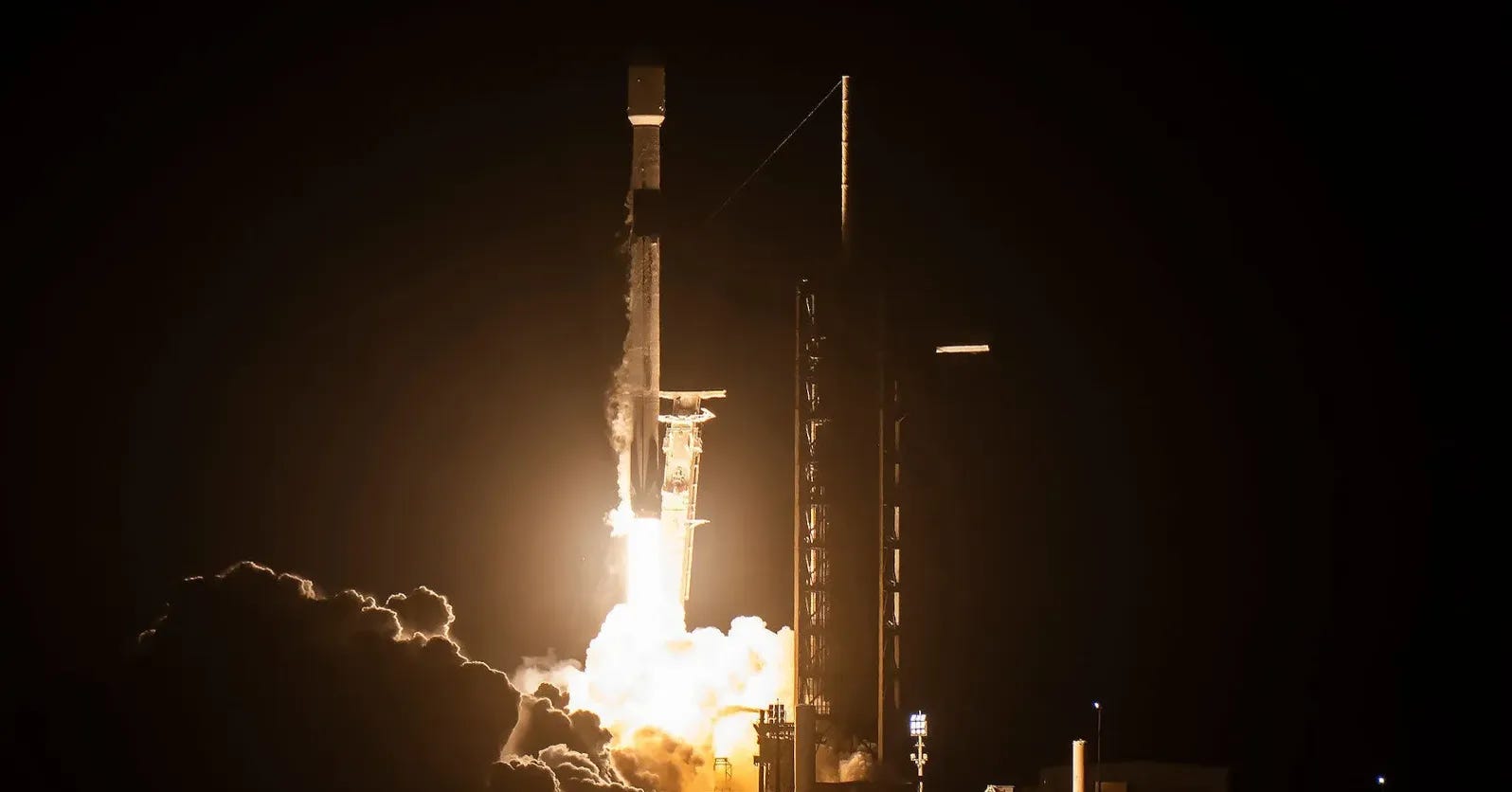
A discarded SpaceX Falcon 9 upper stage is expected to collide with the Moon this week after drifting through space since launching two commercial lunar landers in 2025. Scientists predict the impact will occur near Einstein Crater, producing a new crater and ejecting a plume of lunar debris that researchers hope to observe from Earth.
Although the event is not considered dangerous, researchers say it illustrates an emerging issue that could become more significant as governments and private companies pursue permanent operations on the Moon. NASA’s Artemis program, commercial lunar landers and China’s expanding lunar ambitions all point toward a future with far more spacecraft operating beyond Earth orbit.
Subscribe free for daily political analysis they won’t broadcast. Join 110K+ readers →
Scientists say the collision provides a valuable opportunity to study how debris behaves after striking the lunar surface. Those observations could improve future planning for lunar habitats, landing zones and scientific equipment that may one day need protection from both natural impacts and human-created debris.
The story has also drawn widespread online attention. Science communities have focused on the rare chance to watch an artificial impact on the Moon, while others have used the event to renew discussions about responsible space debris management as commercial activity beyond Earth continues to expand.
For researchers, the impact is less about a single rocket stage than about preparing for an era in which the Moon may host regular robotic missions and eventually permanent human settlements.
Subscribe free for daily political analysis they won’t broadcast. Join 110K+ readers →