


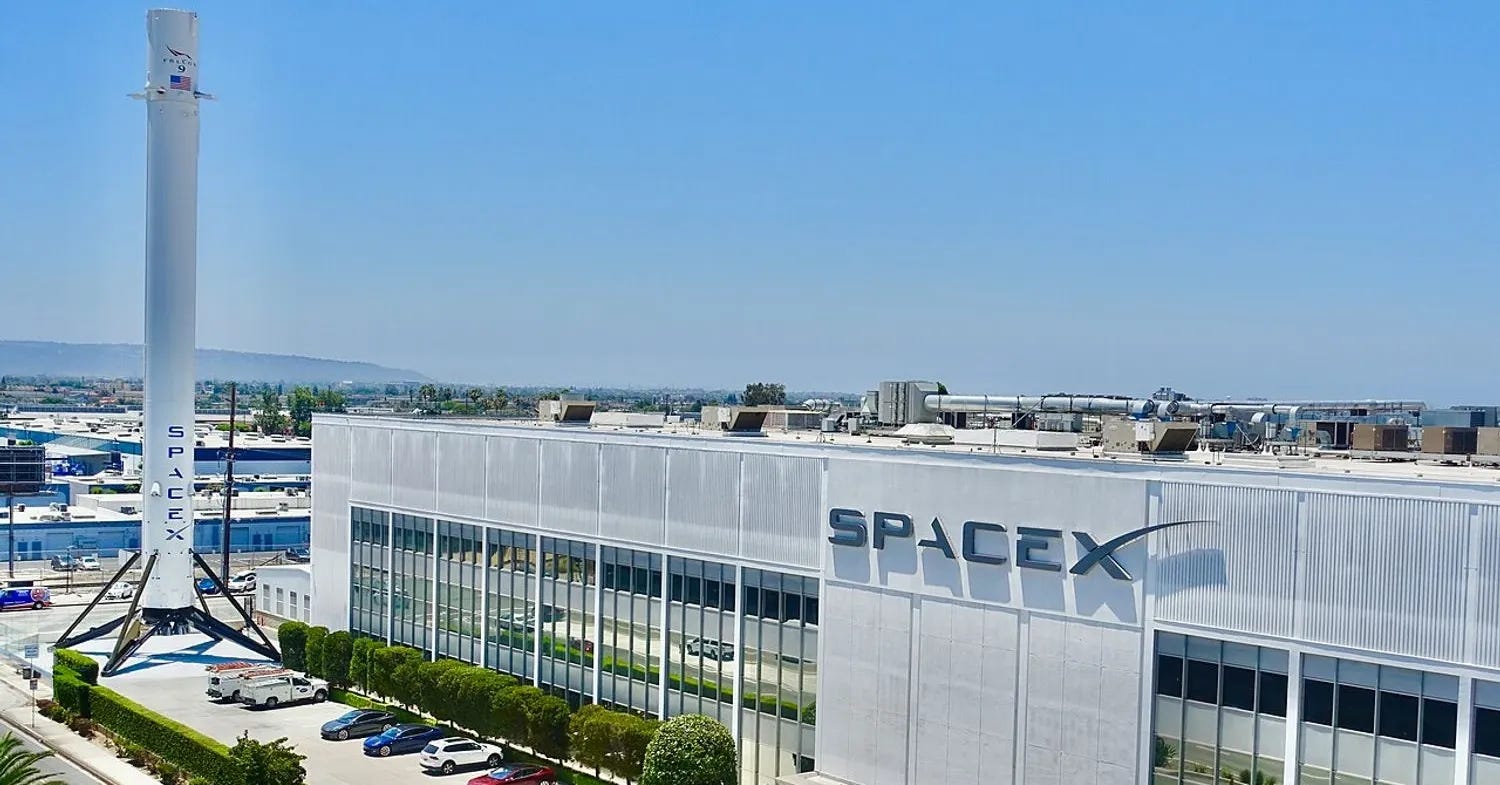
SpaceX is preparing for a public debut that could value the company at roughly $1.8 trillion, potentially making it the largest IPO ever attempted and placing Elon Musk even closer to becoming the world’s first trillionaire.
The company has built its reputation through reusable rockets, government launch contracts, and Starlink’s rapidly growing satellite internet business. Supporters view SpaceX as a dominant platform company positioned to benefit from future growth in communications, defense, artificial intelligence infrastructure, and space transportation.
Not everyone is convinced.
Several analysts have questioned whether current financial results support a valuation approaching $1.8 trillion. Morningstar analysts recently suggested values significantly below the proposed IPO price, arguing that some of the company’s long-term projections depend on markets that remain speculative.
Subscribe free for daily political analysis they won’t broadcast. Join 110K+ readers →
The debate reflects a broader trend across technology markets. Companies are remaining private longer while accumulating extraordinary amounts of capital. Firms such as OpenAI, Anthropic, xAI, and other AI leaders have attracted funding rounds that rival the market value of many public corporations.
Investor reaction has reflected both excitement and caution.
Reuters reported unusually strong retail interest in the offering, while analysts warned that limited public float, concentrated voting control, and aggressive growth assumptions could increase volatility after the stock begins trading.
Whether SpaceX ultimately justifies its valuation remains an open question. What appears less disputed is that the IPO marks another milestone in the rise of private technology companies accumulating record levels of wealth before entering public markets.
Subscribe free for daily political analysis they won’t broadcast. Join 110K+ readers →