


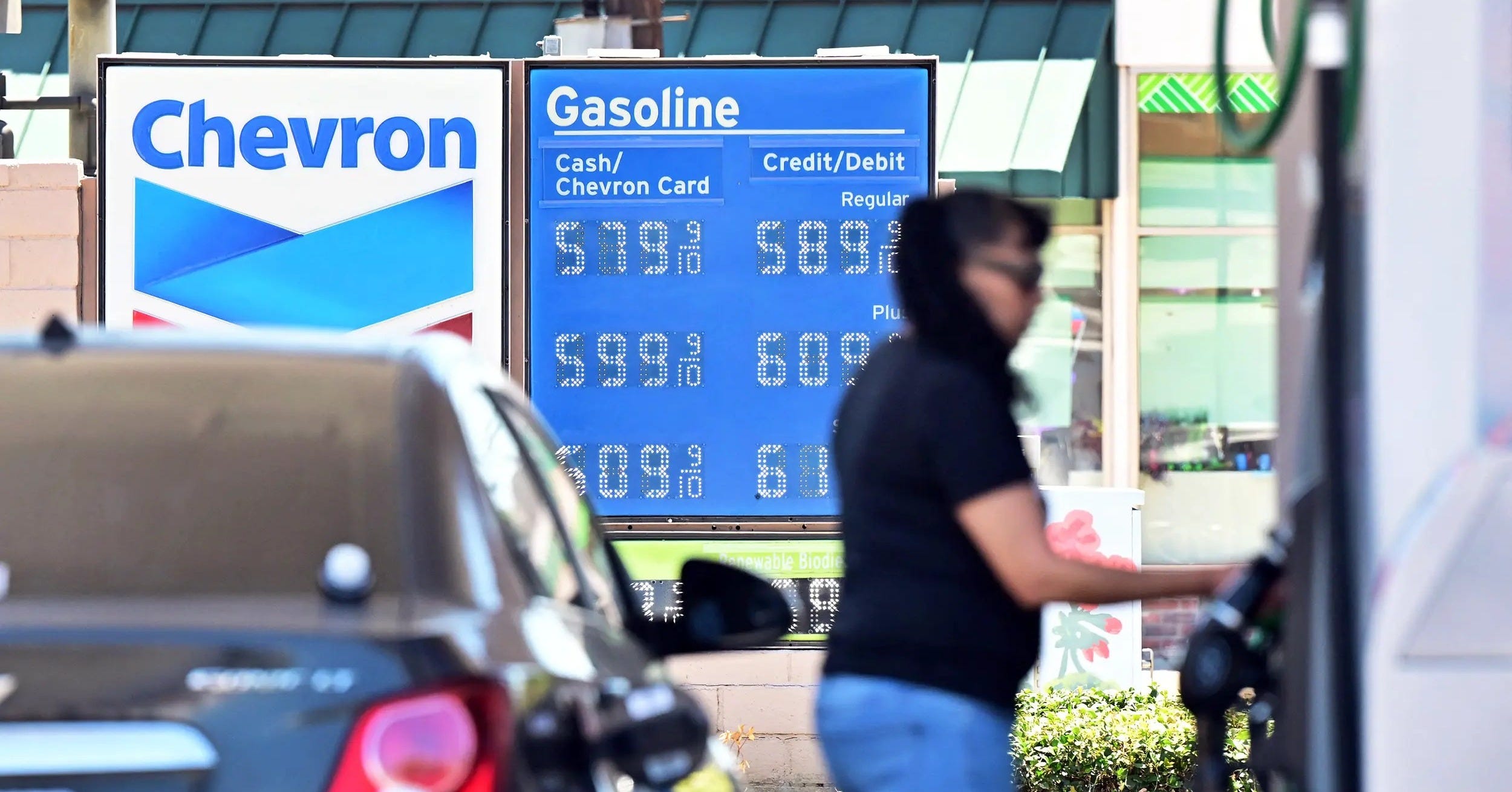
The reopening of the Strait of Hormuz is easing fears of a major global oil shock, but experts say consumers should not expect immediate relief at the pump.
Although crude oil prices have fallen sharply from conflict-driven highs, the energy system takes time to recover. Tankers remain delayed, shipping insurers continue charging elevated risk premiums, inventories are low, and some Middle East production facilities are still recovering from disruptions. Analysts say it could take months before gasoline prices fully reflect lower crude costs.
Subscribe free for daily political analysis they won’t broadcast. Join 110K+ readers →
The economic impact extends beyond gas stations. Higher fuel costs raise transportation expenses for trucking, airlines, shipping companies, and manufacturers. Those increases can feed into broader inflation, affecting groceries, consumer goods, and household budgets.
Public reaction online has focused on frustration that gasoline prices often rise quickly when oil spikes but fall more slowly when markets stabilize. While the Strait reopening is an important step toward market recovery, experts warn that energy prices and inflation pressures may remain elevated well into the coming months.
Subscribe free for daily political analysis they won’t broadcast. Join 110K+ readers →