


The reopening of the Strait of Hormuz is reducing fears of a prolonged global energy crisis, but experts caution that American drivers should not expect gasoline prices to fall immediately.
The narrow waterway between Iran and Oman normally handles roughly one-fifth of global oil shipments, making it one of the world’s most important energy chokepoints. Recent conflict disrupted shipping, raised insurance costs, stranded vessels, and contributed to higher oil prices worldwide. While a ceasefire framework has allowed some shipping to resume, major obstacles remain.
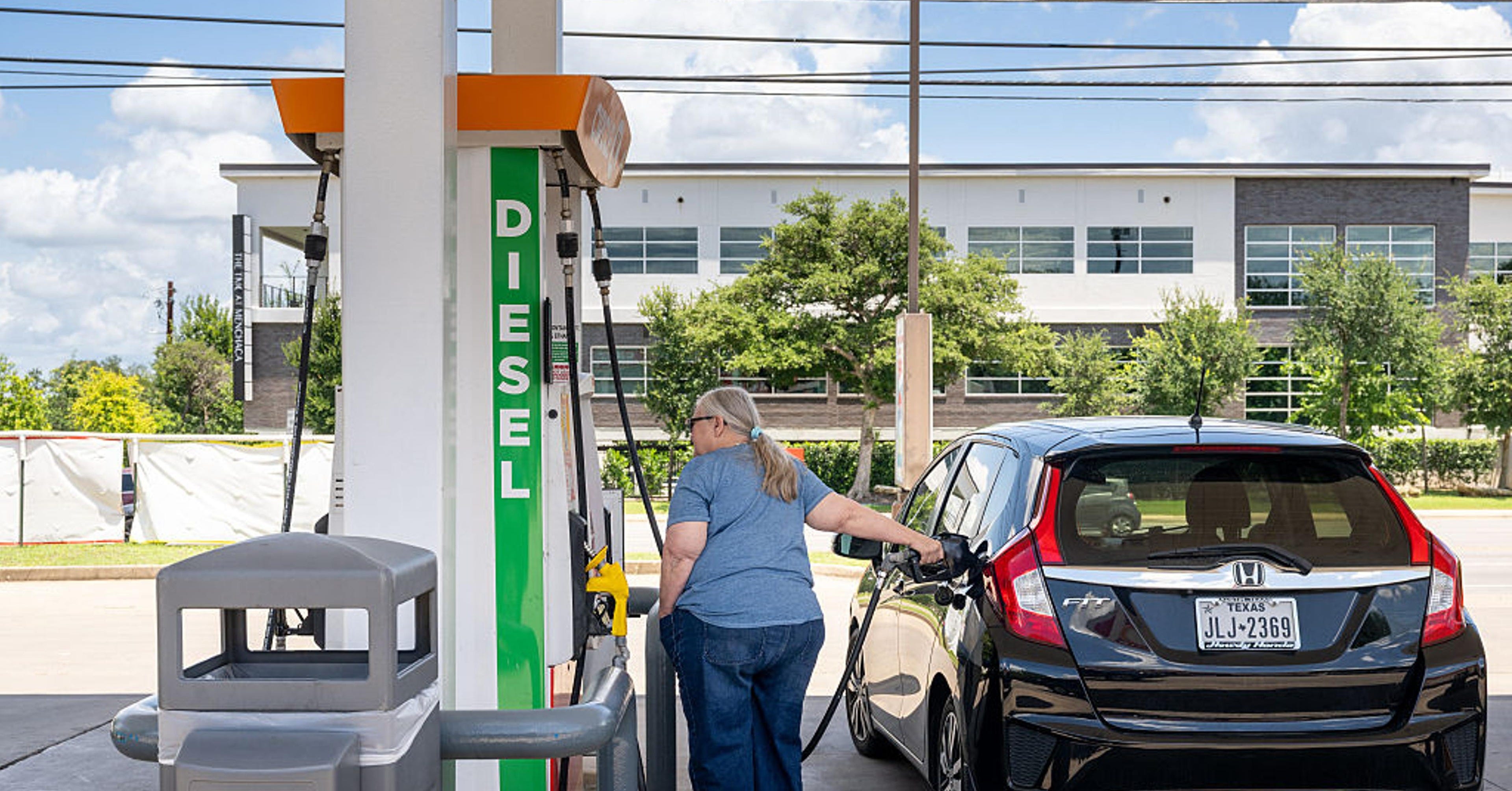
Oil markets have already responded positively, with crude prices falling from wartime highs. However, gasoline prices typically lag behind crude oil movements because fuel must still move through refineries, pipelines, storage terminals, and distribution networks before reaching consumers. Energy analysts say shipping backlogs, mine-clearing operations, and damaged infrastructure could delay full recovery for months.
The broader economic consequences extend beyond the gas pump.
Subscribe free for daily political analysis they won’t broadcast. Join 110K+ readers →
Higher fuel costs increase transportation expenses across the economy, affecting trucking companies, airlines, delivery services, manufacturers, and food distributors. Businesses often pass at least part of those costs to consumers, contributing to inflationary pressure. Economists closely watch energy prices because they influence everything from grocery bills to airline tickets.
Social media discussions and energy forums have reflected growing frustration over the pace of relief. Many users have questioned why gasoline prices appear to rise rapidly during disruptions but decline more slowly once oil prices retreat. While oil markets are stabilizing, experts warn that rebuilding inventories and restoring normal shipping flows will take time.
For consumers, the key takeaway is that the reopening of the Strait of Hormuz may reduce the risk of another energy shock, but the path back to lower fuel costs and reduced inflation is likely to be gradual rather than immediate.
Subscribe free for daily political analysis they won’t broadcast. Join 110K+ readers →