


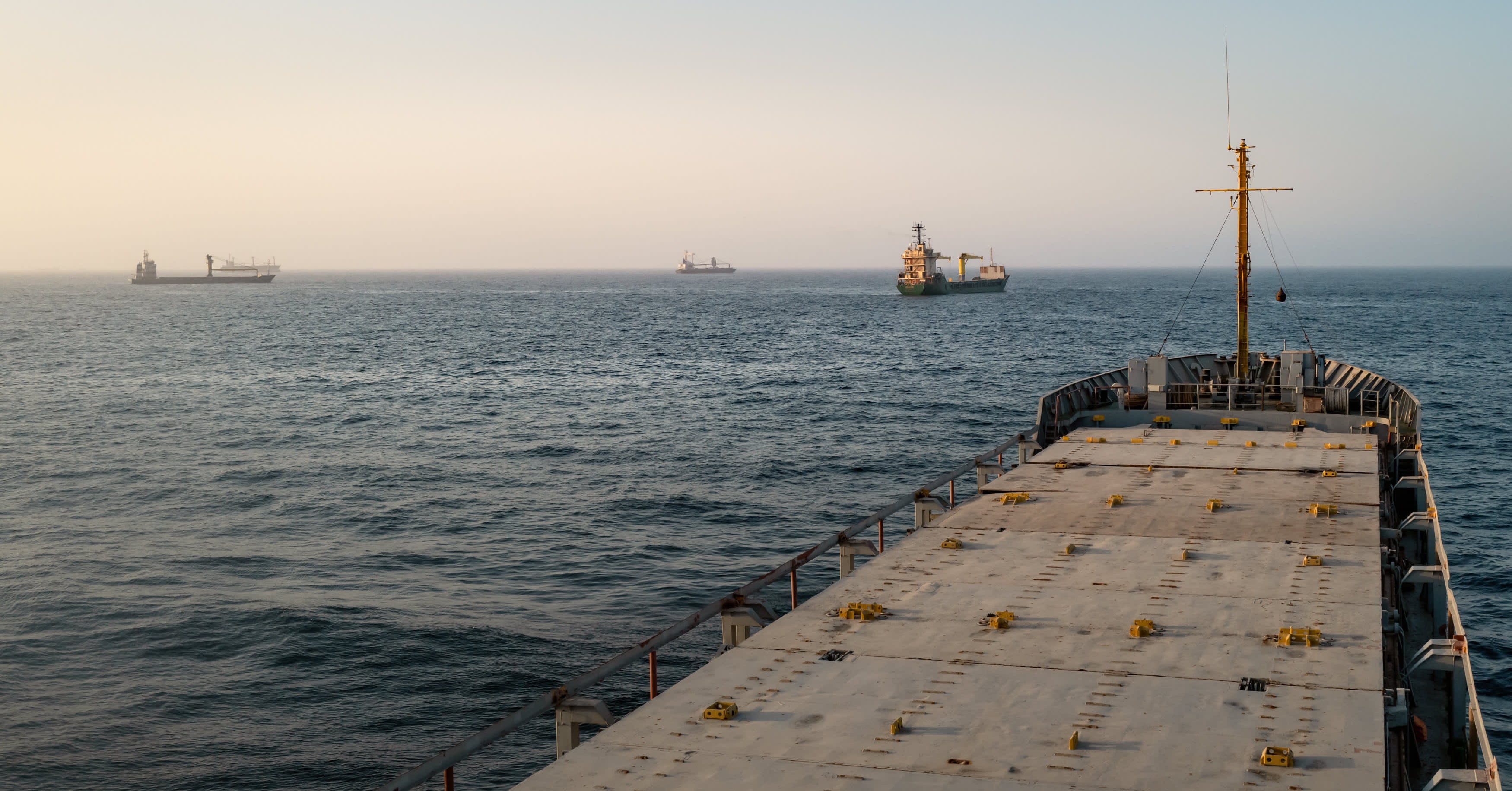
Shipping traffic through the Strait of Hormuz is increasing again after months of disruption tied to the U.S.-Iran conflict, but the recovery remains fragile and far from normal.
Reuters reported that tanker transits through the waterway collapsed by more than 90% during the conflict and are now beginning to recover. Ship-tracking data shows more vessels moving through the strait, including empty tankers heading back into the Gulf in anticipation of resumed oil exports. Cargo throughput, however, remains roughly half of pre-conflict crude levels, according to Reuters.
That gap matters. More ships are positioning for a return to Gulf exports, but the actual movement of oil remains constrained by security concerns, route controls and war-risk costs.
The Strait of Hormuz is one of the world’s most important energy chokepoints. UNCTAD said the strait normally carries about one-fifth of global oil and gas supplies, and warned that food and transport systems may take longer to recover from the disruption than energy markets.
Subscribe free for daily political analysis they won’t broadcast. Join 110K+ readers →
The recovery has also been interrupted by renewed security concerns. Reuters reported that the U.N. International Maritime Organization paused a voluntary escort operation after a vessel reported an attack near Oman. U.S. officials blamed Iran, while Iran’s Persian Gulf Strait Authority said vessels outside Tehran-approved routes would not be guaranteed safe passage.
Social reaction from maritime and energy watchers has focused on that same tension. Kpler described the recovery as cautious, MarineTraffic reported steady but still limited vessel activity, and shipping-market accounts pointed to accelerating energy-vessel crossings while warning that the route remains unstable.
The plain-English consequence: oil flows are improving, but the strait has not returned to normal. For shippers, insurers and governments, the central question is no longer simply whether Hormuz is open. It is whether ships can pass safely, repeatedly and without a new military or diplomatic shock.
Subscribe free for daily political analysis they won’t broadcast. Join 110K+ readers →